


Hindenburg Research has refuted allegations made by India’s securities regulator, the Securities and Exchange Board of India (SEBI), that it collaborated with a U.S. asset manager to use nonpublic information to establish a short position against Adani Group last year. If proven, these actions would constitute a breach of the country’s regulations.
On Monday, Hindenburg posted a copy of a 46-page “show cause” notice from SEBI on its website, which details these allegations. This notice represents the latest development in a saga that began last year when the U.S.-based short seller accused Adani of engaging in improper business practices.
The notice claims that six entities, including Hindenburg, Kingdon Capital Management, and a Mauritius-based trading fund established by Kotak Mahindra Bank, violated rules under the Prevention of Fraudulent and Unfair Trade Practices regulation. Hindenburg dismissed these claims as “nonsense” in a statement.
“Hindenburg said in its statement that SEBI has failed in its duty, seemingly doing more to protect those committing fraud than the investors being harmed by it,” according to Hindenburg’s statement.
SEBI stated in the notice that it received information from the U.S. Securities and Exchange Commission (SEC) during its investigation.
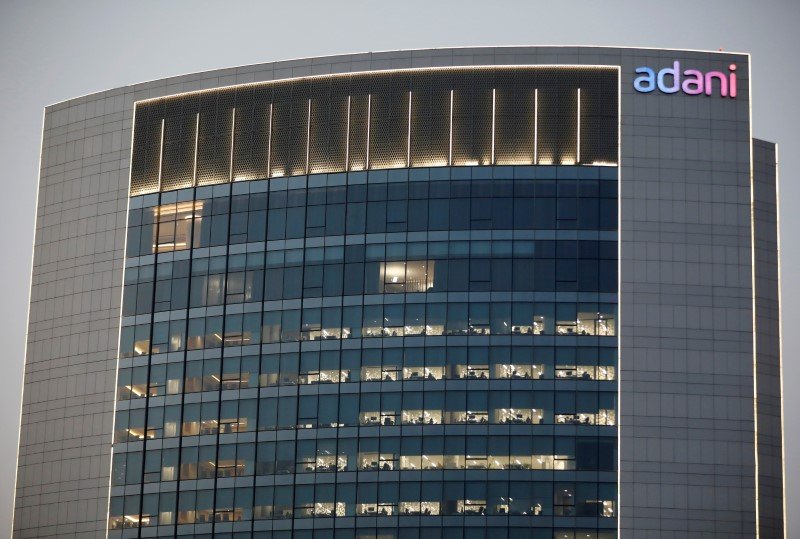
Adani, which has consistently denied Hindenburg’s allegations, saw a loss of up to $150 billion in combined market value following the report, but its share price has since recovered to previous levels.
SEBI did not respond to a request for comment on Hindenburg’s statement or the show cause notice on Tuesday. If proven, the alleged breaches could lead to financial penalties and the repayment of any illegal gains.
Hindenburg revealed in its statement that it earned $4.1 million in gross revenue from “gains related to Adani shorts from that investor relationship” and just $31,000 from its short position in Adani’s U.S. bonds. It did not disclose the investor’s name.
“It was a tiny position,” said Hindenburg, explaining its Adani short, which has piqued the interest of other investors due to the difficulties foreigners face in betting against Indian companies.
SEBI alleges that Hindenburg colluded with Kingdon Capital Management by providing a draft of its report on Adani Group before its public release. SEBI claims that Mark Kingdon, the owner and founder of Kingdon Capital, then set up a fund to trade Indian equities, known as K India Opportunities Fund, which created short positions in Adani group stocks from January 10 to January 20, 2023, five days before Hindenburg’s report was published.
Founded in 1983, Kingdon managed $639.2 million in assets as of January, according to an SEC filing. Kingdon employs two strategies: a global long-short equities strategy, which also invests opportunistically in credit, government securities, commodities, and currencies, and a long-short strategy focused on healthcare.
Hindenburg stated that a Mauritius-registered unit of India’s Kotak Mahindra Bank created and oversaw an offshore fund structure used by its “investor partner” to bet against Adani’s shares.
Kotak Mahindra Bank, in a stock exchange statement on Tuesday, said that neither the K India Opportunities Fund nor Kotak Mahindra International were aware of any association between Kingdon entities and Hindenburg. The bank also mentioned that it had received a notice of allegations from the regulator but no regulatory action had been taken against the fund.
Following this, Kotak Mahindra Bank shares fell by as much as 3.93 percent on Tuesday.
