

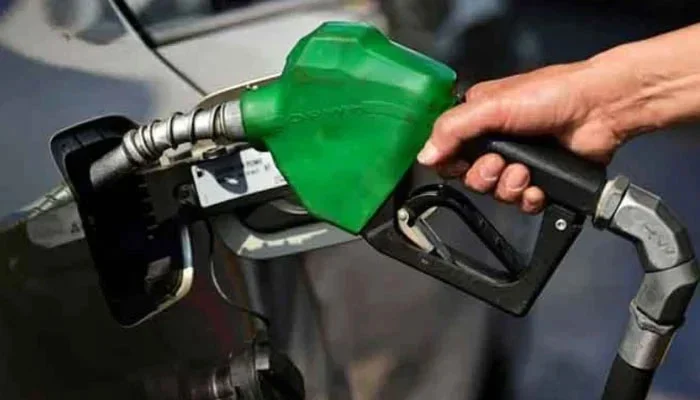

Petrol Prices
The Pakistani government has announced its decision to relinquish control over petroleum product prices, marking a significant shift in policy.
Prime Minister Shehbaz Sharif has directed that the government’s authority in setting these prices be removed, transferring this responsibility to the market.
Following this directive, the Petroleum Minister has scheduled a critical meeting on Thursday to deliberate on the details of this transition.
Prime Minister Sharif has instructed the Chairman of the Oil and Gas Regulatory Authority (OGRA) to evaluate the impact of this price deregulation and to develop a comprehensive framework for its implementation.
This framework, once completed, will be presented to the Prime Minister for final approval, ensuring that all aspects of the transition are thoroughly considered.
The government’s plan involves a phased approach to granting oil marketing companies the authority to set petroleum product prices.
This strategy aims to gradually shift the pricing control from the government to the market, allowing for a smoother transition.
Prime Minister Sharif highlighted that the government often faces public criticism when prices increase but rarely receives appreciation when prices decrease, underscoring the political pressures associated with price regulation.
However, this move has been met with opposition from petroleum dealers, who argue that granting oil marketing companies the power to set prices could lead to unfair profiteering.
The dealers fear that without government oversight, these companies might exploit the situation to maximize their profits at the expense of consumers.
This concern reflects broader apprehensions about market-driven pricing mechanisms and the potential for abuse in the absence of stringent regulatory controls.
In light of these concerns, the OGRA’s assessment will be crucial in shaping the implementation framework.
The assessment will need to address the potential risks and propose measures to prevent any negative consequences. The goal is to create a balanced approach that fosters market efficiency while protecting consumers from potential exploitation.
The Petroleum Minister’s upcoming meeting will be a pivotal step in this process. Stakeholders, including representatives from the oil marketing companies and petroleum dealers, are expected to participate in the discussions.
Their inputs will be vital in ensuring that the framework developed by OGRA is comprehensive and takes into account the perspectives of all parties involved.
The decision to deregulate petroleum product prices is a significant policy shift for Pakistan. If successfully implemented, it could lead to more competitive pricing and potentially lower prices for consumers in the long run.
However, the transition will need to be managed carefully to avoid any unintended consequences and to ensure that the benefits of deregulation are realized without compromising consumer interests.
Overall, the government’s move to relinquish control over petroleum prices represents a bold step towards market-driven economic policies.
The success of this initiative will depend on the effective implementation of a robust framework that balances market efficiency with consumer protection.
