

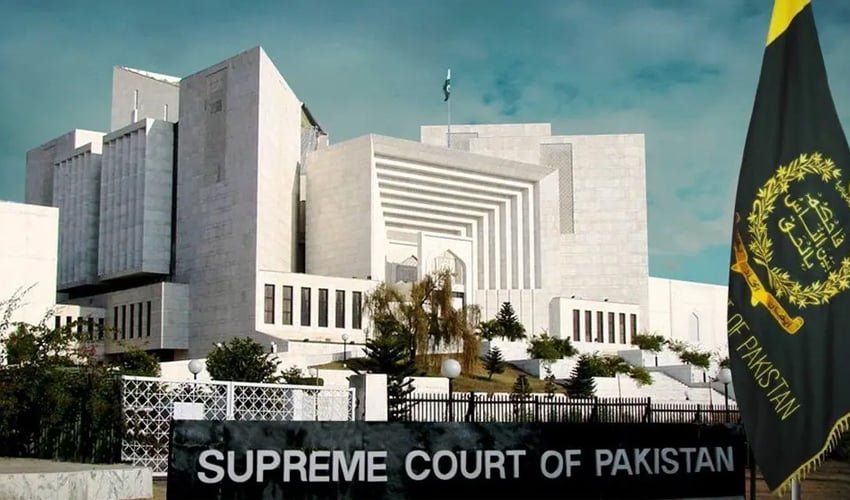

The Supreme Court of Pakistan released a comprehensive 70-page judgment in the reserved seats case on Monday, authored by Justice Mansoor Ali Shah. The court emphasized that the case was not an ordinary matter, but one of significant public importance. The decision was based on concrete evidence rather than assumptions, particularly regarding the weight of votes from millions of citizens.
The court stated: “Rather than settling such an important issue — directly linked to the rights and value of voters — on mere assumptions or verbal statements, it is crucial that this matter is resolved using concrete evidence, including (i) the candidate’s written declaration and (ii) the PTI’s official confirmation in writing.”
Additionally, the judgment stressed the need for the Election Commission of Pakistan (ECP) to ensure transparency in the electoral process to maintain public confidence in the system. The court remarked, “The Commission, being a constitutional body responsible for electoral management, is not merely administrative but serves as a key institution safeguarding democratic processes, holding a constitutional status comparable to a ‘fourth branch of government’.”
The ruling further asserted that the ECP, in its quasi-judicial role, cannot be considered an “aggrieved party” and therefore lacks the standing to challenge court decisions. The judgment stated: “… a body executing quasi-judicial functions in disputes between rival parties cannot be classified as an aggrieved party if a higher court or forum overturns or modifies its decision.”
The final verdict on the reserved seats was delivered by a full bench on July 12, with the majority of eight judges ruling in favor of awarding the seats to the Pakistan Tehreek-e-Insaf (PTI). This decision undermined the ruling coalition’s bid for a two-thirds majority in the National Assembly. In response, coalition members criticized the ruling, calling it a “reinterpretation” of the Constitution. Shortly thereafter, the government amended the Election Act.
