


“Despite the region being heavily protected by advanced defense systems, approximately 90% of our missiles successfully struck their targets, leaving the Zionists fearful of Iran’s intelligence and operational abilities,” the IRGC stated.
Videos shared by Israeli settlers on social media depicted several missiles landing inside the occupied territories. In response, Israeli authorities quickly prohibited the sharing of footage showing the aftermath of the attacks once Iran’s operation concluded.
Meanwhile, Iranian President Masoud Pezeshkian, in a post on X, asserted that Iran had exercised its “legitimate right” to retaliate against Israeli aggression following international law. “Netanyahu must understand that while Iran seeks no war, it will stand firmly against threats. What we’ve shown is only a fraction of our capabilities. Do not provoke Iran,” he warned.
Iran’s mission to the UN echoed this sentiment, warning that any further Israeli acts of violence would provoke a “subsequent and crushing response.”
Celebrations erupted across Iran following the missile strikes. In Tehran’s Palestine Square, crowds expressed their gratitude, chanting “Thank you” in praise of the Leader of the Islamic Revolution and military officials. Similar scenes of jubilation unfolded across the Muslim world, with citizens in Yemen, Lebanon, Jordan, Iraq, Syria, and Gaza voicing their support and appreciation for Iran’s actions.
Resistance groups such as Hamas, Ansarullah, Hezbollah, and Iraq’s popular forces issued statements commending Iran for the successful execution of Operation True Promise II.
Meanwhile, in Israel, reports indicated that senior officials, including Prime Minister Benjamin Netanyahu, sought shelter in underground bunkers shortly after the attacks began. An Israeli military spokesperson revealed that U.S. forces had assisted in intercepting some of the Iranian missiles, though he did not specify the exact number of projectiles intercepted. After the last missile strike, both Tel Aviv and Washington had claimed to have downed “90%” of Iran’s missiles and drones.
Following the strikes, U.S. President Joe Biden abruptly adjusted his schedule to meet with Vice President Kamala Harris in the Situation Room. White House National Security Advisor Jake Sullivan later stated in a press briefing that the U.S. had coordinated with Israel’s air defense systems during the attack, claiming that Iran’s assault “appears to have been repelled.” Sullivan added that the U.S. is in discussions with Israel regarding a potential response. At the same time, Israeli officials signaled their intent to launch heavy retaliatory strikes across West Asia in the coming days.
The Islamic Revolutionary Guard Corps (IRGC) launched a large-scale missile attack on Israeli positions in the occupied territories on Tuesday, in retaliation for a series of attacks by the Israeli regime that killed key figures including Hamas leader Ismail Haniyeh, Hezbollah chief Sayyad Hassan Nasrallah, and IRGC commander Brigadier General Abbas Nilforooshan.
The IRGC released two statements within a few hours of each other. The first confirmed reports of missile strikes targeting Israeli positions, while the second announced that three military bases near Tel Aviv were hit.
This marked the second instance of Iran launching missiles at the occupied territories from its own soil. The attack, named Operation True Promise II, follows a similar strike during Operation True Promise in mid-April, where Tehran targeted military sites after Israel attacked Iran’s embassy in Damascus.
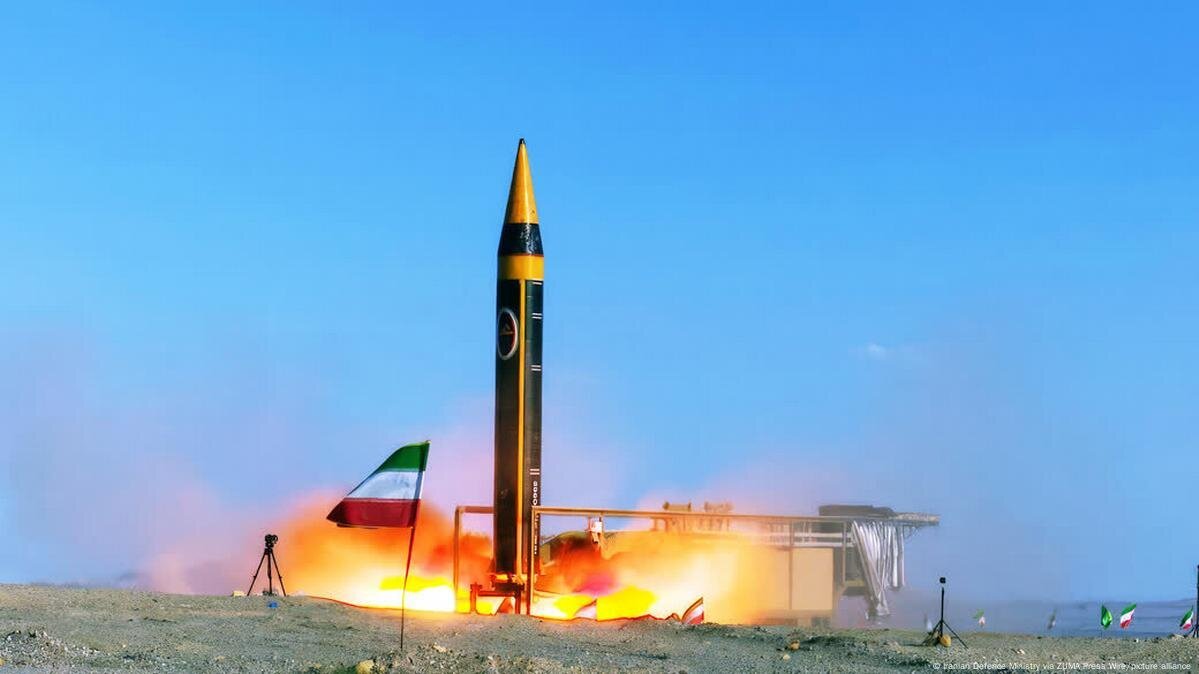
In its first strike, the IRGC deployed approximately 300 older drones and a few ballistic missiles. However, the second operation involved a more advanced arsenal, including the use of hypersonic missiles, marking their first deployment since Iran publicly announced possessing such technology. Both IRIB news and statements from the Israeli military confirmed the use of these advanced weapons.
