

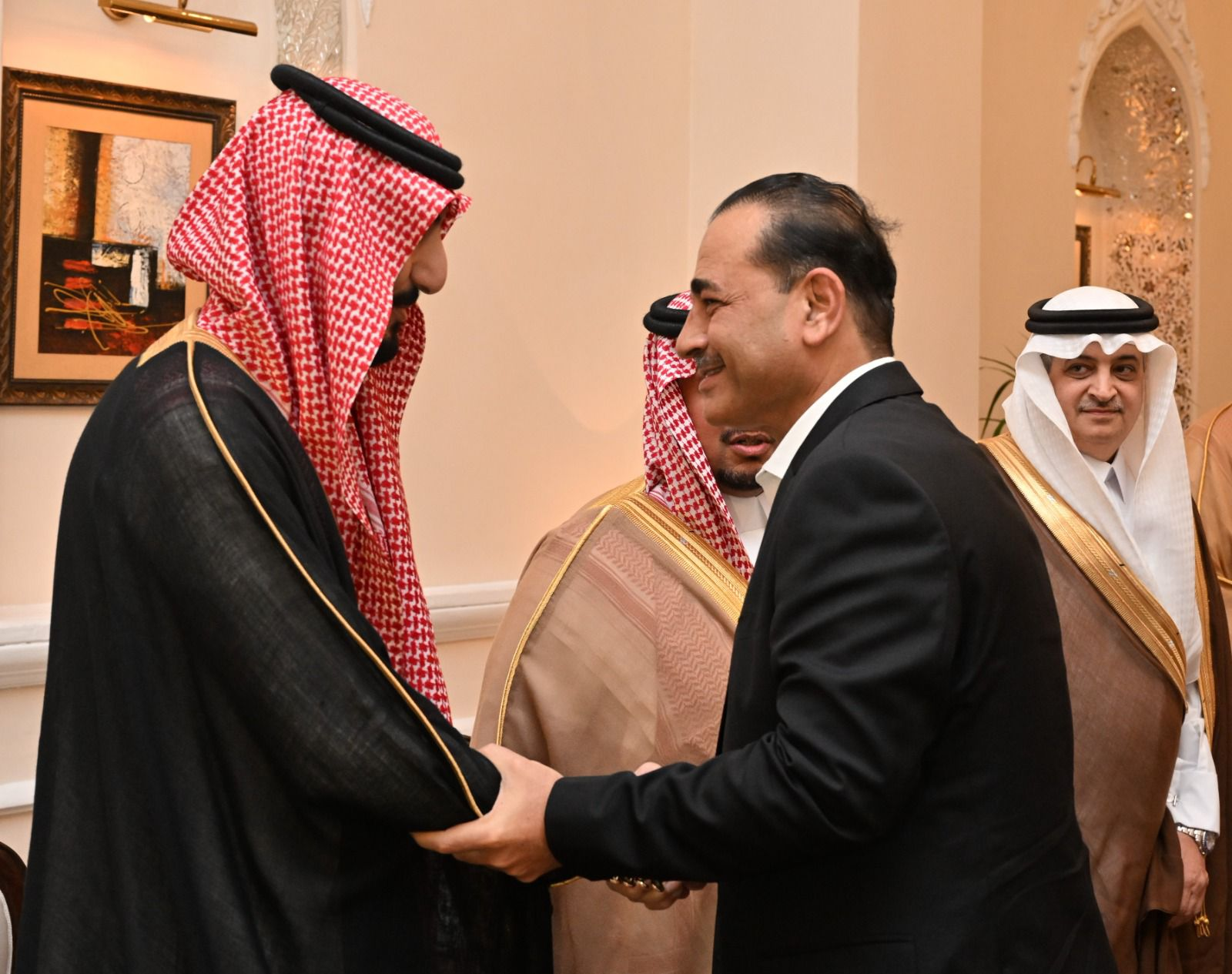

ISLAMABAD: Pakistan and Saudi Arabia are signing more than two dozens of MoUs envisaging over $2 billion Saudi investment in various sectors in the country.
Saudi Minister of Investment Khalid Al-Falih reaffirmed Saudi Arabia’s dedication to enhancing investments in Pakistan, highlighting the wide array of opportunities available. Pakistan’s Minister for Industries and Commerce, Jam Kamal, echoed this enthusiasm, underscoring Pakistan’s potential as a prime destination for investment.
Pakistan and Saudi Arabia have entered a new phase of economic collaboration, marked by the Pakistan-Saudi Business Forum held recently in Islamabad. The forum centered on strengthening bilateral trade and expanding investment opportunities between the two nations.
Additionally, Pakistan’s Minister for Petroleum, Musadik Malik, emphasized the country’s significance as a key market for Saudi Arabian crude oil.
The forum, attended by several Pakistani federal ministers alongside Al-Falih, is seen as a pivotal step toward accelerating Pakistan’s economic growth and stability.
In his remarks, Minister Al-Falih emphasized the vast potential for growth in the Middle East and South Asia, advocating for joint efforts to promote regional prosperity. He pointed to the significant rise in bilateral trade and stressed the importance of geographic proximity in further strengthening economic ties.
Al-Falih reiterated the strategic importance of economic cooperation between Pakistan and Saudi Arabia, noting their shared religious and spiritual bonds and describing Pakistan as a “second home” for Saudi Arabia.
Pakistan’s Finance Minister, Senator Muhammad Aurangzeb, also addressed the forum, expressing optimism about Pakistan’s economic outlook. He stated that Pakistan is well-positioned for growth and open for business. Aurangzeb highlighted the government’s policies aimed at empowering the private sector to lead the economy and emphasized that the government’s role is to facilitate, not conduct, business.
Welcoming Saudi business delegates, he encouraged the promotion of trade and investment through a Business-to-Business (B2B) model. The finance minister pointed to substantial progress in Pakistan’s macroeconomic stability over the past 12-14 months, including achieving a primary surplus, reducing the current account deficit to less than $1 billion, stabilizing the currency, and increasing foreign exchange reserves to cover two months of imports.
He noted further improvements in the current fiscal year, citing strong remittances, export growth, and a significant drop in inflation from 38% to 6.9%. The decrease in the policy rate has also been beneficial for businesses.
Aurangzeb mentioned that Pakistan’s credit rating has improved, but more work is needed to achieve a B- rating. Institutional capital flows have started returning to Pakistan in both debt and equity markets.
He highlighted that the Islamabad Stock Exchange has reached record levels and that the International Monetary Fund (IMF) has approved an extended program for the country, bringing greater macroeconomic stability and supporting structural reforms. The minister reaffirmed the government’s commitment to implementing these reforms to ensure sustainable growth and advance tax reform initiatives.
