

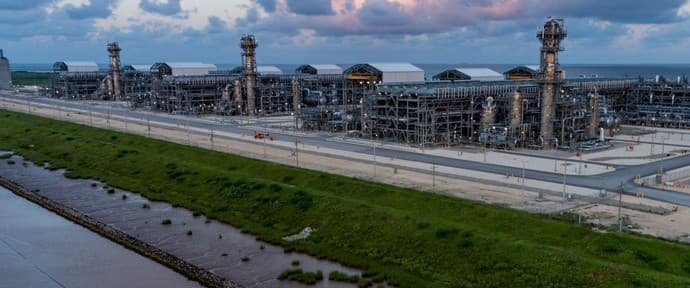

The United States is working to ensure that its liquefied natural gas (LNG) continues to flow to Europe in the long term, as the European Union (EU) prepares to introduce new methane emissions regulations for imported fossil fuels. These rules, set to take effect in 2030, will require oil and gas imports—including LNG—to meet emission standards that are either as strict as or stricter than those in the EU.
While the full details of these regulations are still under discussion, they will likely require U.S. LNG producers and exporters to improve their operations to meet EU methane emission compliance by the end of the decade. In anticipation of these changes, and just before the U.S. presidential election, the Biden administration reached out to the EU to discuss how U.S. LNG exports, which are subject to U.S. methane regulations, could be automatically deemed compliant with the EU’s upcoming standards. The U.S. Department of Energy (DOE) and the Environmental Protection Agency (EPA) co-signed a letter on October 28, 2023, requesting the EU to consider the U.S. regulations “equivalent” to its own. The letter emphasized the U.S.’s robust regulatory framework to monitor and reduce greenhouse gas emissions, particularly methane, in the oil and gas sector.
The U.S. is eager to maintain its position as Europe’s top LNG supplier through the 2020s and beyond. By aligning methane emission standards, the U.S. hopes to ensure its continued access to the European market, which has become its largest LNG export destination. This alignment is also seen as crucial as U.S. LNG faces potential regulatory changes depending on the outcome of the 2024 presidential election, with the likelihood of President-elect Donald Trump rolling back environmental protections.
U.S. LNG Dominates European Market Amid Ongoing Transition
The U.S. has been the world’s top LNG exporter since 2022, surpassing Qatar and Australia. In 2023, the U.S. continued to supply two-thirds of its LNG exports to Europe and Turkey, according to data from the U.S. Energy Information Administration (EIA). This marks a shift from pre-2022 patterns, when Asia was the leading destination for American LNG exports. As European countries increasingly seek to reduce their reliance on Russian energy, the U.S. has become a vital supplier to the EU.
In fact, the U.S. remained the largest LNG supplier to the EU and the UK in 2023, providing nearly half (48%) of their total LNG imports. Qatar and Russia followed as the second- and third-largest suppliers, holding 14% and 13% market shares, respectively.
European Commission President Ursula von der Leyen recently suggested that Europe could replace Russian LNG with American LNG, noting that U.S. LNG is often cheaper, helping to reduce energy prices across the continent.
EU’s Methane Regulation and its Potential Impact
The EU’s methane regulation has yet to clarify how and when it will evaluate whether the methane standards in countries outside the EU—such as the U.S.—are “equivalent or stronger” than those in the bloc. This uncertainty has raised concerns for both U.S. exporters and European energy security.
For the U.S., which is heavily dependent on Europe as its top LNG market, the stakes are high. If U.S. LNG fails to meet EU emission standards, it could lose access to a critical export market. U.S. trade groups, such as the American Petroleum Institute (API) and the U.S. Chamber of Commerce, have raised alarms that the EU’s methane rules could threaten energy security by restricting LNG supply from the U.S., particularly if the regulations are seen as too stringent for U.S. operations.
Despite potential changes to U.S. environmental regulations under a Trump administration, including the likely rollback of methane emissions fees and a potential easing of LNG project permits, U.S. LNG exporters will still face significant scrutiny on emissions reporting and performance over the coming years.
As the EU works to finalize its methane regulations, it will have to balance its energy security needs with its climate goals. The outcome of this process could significantly impact the future of U.S. LNG exports to Europe, with both sides closely monitoring the evolving regulatory landscape.
