

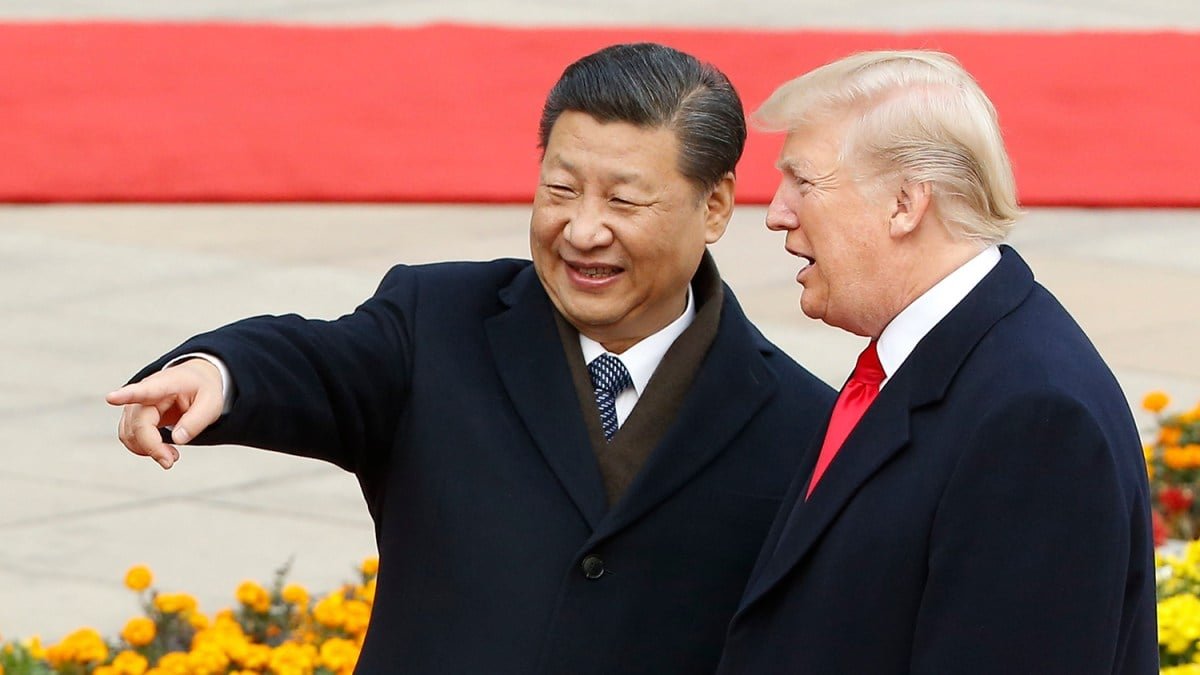

U.S. President-elect Donald Trump announced on Thursday that he has selected former Senator David Perdue as ambassador to China, entrusting a seasoned politician with business experience to navigate the complex and strained relationship between the two nations.
“David will play a key role in implementing my strategy to maintain peace in the region and foster a productive working relationship with China’s leaders,” Trump wrote on his social media platform, Truth Social.
Trump, set to take office on January 20, 2025, has signaled a tough stance on China, pledging to impose a 10% tariff on Chinese goods unless Beijing takes stronger action to curb the trafficking of fentanyl. During his campaign, he also threatened tariffs exceeding 60% on Chinese imports.
Perdue, a Republican from Georgia who served in the Senate from 2015 to 2021, brings substantial business acumen to the role, having spent decades as a corporate executive, including a stint in Hong Kong. His nomination reflects Trump’s preference for blending political and business expertise in diplomatic appointments.
This marks a return to the practice of appointing former politicians as U.S. ambassadors to China, following President Joe Biden’s choice of career diplomat Nicholas Burns in 2021. In Trump’s first term, he appointed former Iowa Governor Terry Branstad, who leveraged personal ties with Chinese officials, including Xi Jinping, to manage trade tensions. Despite these efforts, relations descended into a historic trade war.
A Hardline Approach
Trump’s selection of Perdue aligns with his broader strategy of appointing China hawks to senior positions, including Senator Marco Rubio as secretary of state. This suggests his administration’s policy toward Beijing may extend beyond trade, potentially intensifying competition in areas such as technology, security, and geopolitics.
The ambassador’s role in managing bilateral tensions will be critical. Analysts predict Beijing may prioritize direct engagement with Trump and his inner circle to navigate the anticipated return of trade disputes and broader strategic rivalry.
