


KARACHI: It goes without saying a single word that the mood in the circles who have anticipated a thumping rout for the IDF in the coming months is somber, filled with despair.
The manipulation of the weaknesses within created a situation, which were exploited optimally by the international vested interests. Back into the timeline 53 years ago in the sub-continent, when the two-nation theory was publicly ridiculed for being a nonstarter, today for any light-hearted, going with the international established order seems to be the favorable path forward.
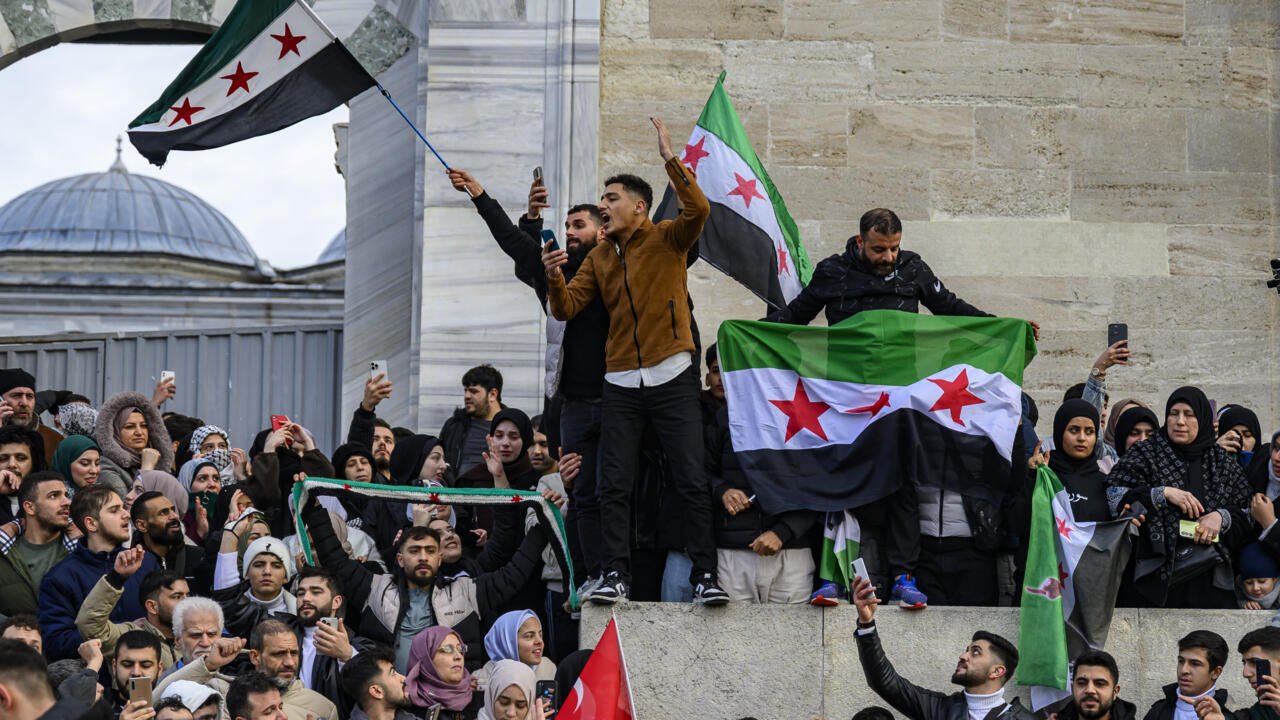
Elaborating the preamble; the fall of the Baathist dictatorship of the Syrian chapter after almost 5 decades of iron rule was a moment of joy for the people of Syria, who have been living under the system for a long. They were justified in their wish for the end of the rule. However, in the manner which the dictatorship ended created more questions than solving the previous ones. Not dwelling on the constitutional wish list as to what could have been done during the last five decades, the fact is that the buffer between the Jewish entity and the rest of the Arab world has been effectively removed for the benefit of the IDF.
The gratitude of the new rulers, even in an interim structure for the IDF, the coordinated strikes by the IDF in destroying the infrastructure of the Syrian state and the defence forces indicates that the situation is even graver than what the Pakistanis witnessed in the morning of December 17, 1971. The Pakistani defence forces had a much decent enemy in the person of Manek Shaw who abided by the Geneva Conventions regards the military hardware and safety of the POWs; jingoistic propaganda notwithstanding.
Back to the Middle East, the resistance infrastructure in place for opposing the Abraham Accords is effectively gone. Iranian state which through a mix of incentives and friendship with the Syrian faction of Baath, has lost its foothold in the region; very much like the exit of Muhammad Raza Pahlavi in 1979 left the Israeli and American interests without any effective cover.
The result, the Iranians were able to catch up and by the time Americans recuperated to understand, much was gone from the hands. Despite that fact that the infrastructures were of no immediate utility for the Iranians back in early eighties, the unguarded suicide by the Bush Administration in the dismantling of the Baathist structure in Iraq opened the floodgates of opportunities for the much dreaded ‘Shia Crescent” in the Middle East.
Ironically, the dismantling of the Syrian Baath proved to be a disadvantage for the same Crescent though. The fall of Saddam’s regime allowed the Iranians enough opportunities to build lifelines for its interests, which it made good use of when the waves of Arab Spring in 2011-12 threatened its ally government of Bashar AL Assad. That same infrastructure was instrumental in combating the resurgence of Al Qaeda rebranded as ISIS or Daesh. That resurgence almost took the two states of Iraq and Syria by surprise, threatening their existential presence for a few months in 2014-15. That resistance axis was able to neutralize to the point where the actual business of the axis was managed without much hassle.
Here it may be pointed out that the military training and capabilities of the anti-Israel groups like Palestinian Islamic Jihad, Hamas, and lastly Hezbollah might not have been possible if the quiet ammunition lifeline through Central Syria coming from Iraq onwards to the Bekaa valley into Lebanon and possibly into the occupied territories has not been in place.
For a common man in the streets of Karachi or Islamabad, the events unfolding in Damascus might have been restricted to the benefit of the citizens of that city or country. The fact of the matter is that the impact of that geo political coup will be visible in the manner the resistance groups are able to put on an effective defence or offensive mode vis a vis the IDF.
The instant identification of the Israeli PM Netanyahu with the opposition groups in Syria and these groups’ words of gratitude for the IDF makes it clear that acts were well coordinated. Here it goes without saying that the IDF played its master stroke in a manner at a timing when it was about to be routed towards a meaningful settlement for the one-nation solution for the Palestinians. However, the “Jihadi” groups in Syria benefited the IDF in a manner that only these two stakeholders can understand; the IDF and HTS. Here one is reminded of the operational destruction of Two PN Orion anti-submarine platforms by TTP in May 2011 at a PN base, which might not have benefited the TTP in operational sense, but definitely benefited the Indian Navy for a considerable period of time.
Back to the Middle East, the happenings of the last few days might precipitate a retrospect in the Iranian capital, which is already plagued with indecision as well as division of perception. While the IRGC under the supreme leader might have opted for an aggressive approach; or they might still be toying with the same in the coming days, the reformist administration or the Zarif camp has been trying to stay clear of anything which might block their reproachment with the Americans for a possible JCPOA2, their only tangible offering in the turbulent setting of the Iranian political landscape.
The Zarif camp reach could be felt when the anticipated strikes in the aftermath of Ismael Hania failed to take place and as was obvious, that emboldened the IDF to go for the entire leadership of the Hezbollah group in Beirut, initially targeting individuals through the pagers and then through the bunker buster ammunition delivered through F-35 jets.
The October strike by IRGC was a balancing act from the Rahbar to Zarif; that ‘he still called the shots. The resultant IDF strike on Iran, practically from Iraqi Kurdistan proved the operational capability of Iranian air defence; however, the shadow of Zarif’s pro-US stances neutralized the Iranian defence forces to undertake any meaningful step despite the capacity or capability to do so; in response to the Israeli strikes.
The mixed bag of an alert enemy and a slack friend finally translated into a situation, where Iranians and their allies are practically clueless about what steps to take next. If they take a suicidal step, it is bound to boomerang on them with devastating impact. Any further restraint is going to embolden the IDF even more.
The situation in the Middle East is pretty fluid. Iran and its allies are caught in a situation, they have not anticipated would develop too early. For the IDF and Netanyahu, it is the victory moment. The pressure is considerably gone. The destruction of Gaza is complete, Hezbollah and Hamas affective decapitated and the critical supply line went within a matter of days.
For the resistance, a quick set solution is imperative if they want things to be still managed. Failing this another US and NATO-backed peace accord is likely to be imposed on the Palestinian groups. Much depends upon how the Iranians, Hezbollah, and Hamas recover from the shock.
Conclusively there can be surprise for the region in the coming months, for the benefit of the Abraham Accord supporters. However, in an unpredictable scenario, attrition between the anti and pro-Abraham Accord forces might escalate to formulate a bloody showdown between all concerned. For the supreme leader, Zarif, and Pezeshkian, it is a time to retrospect and think over what is next.
