

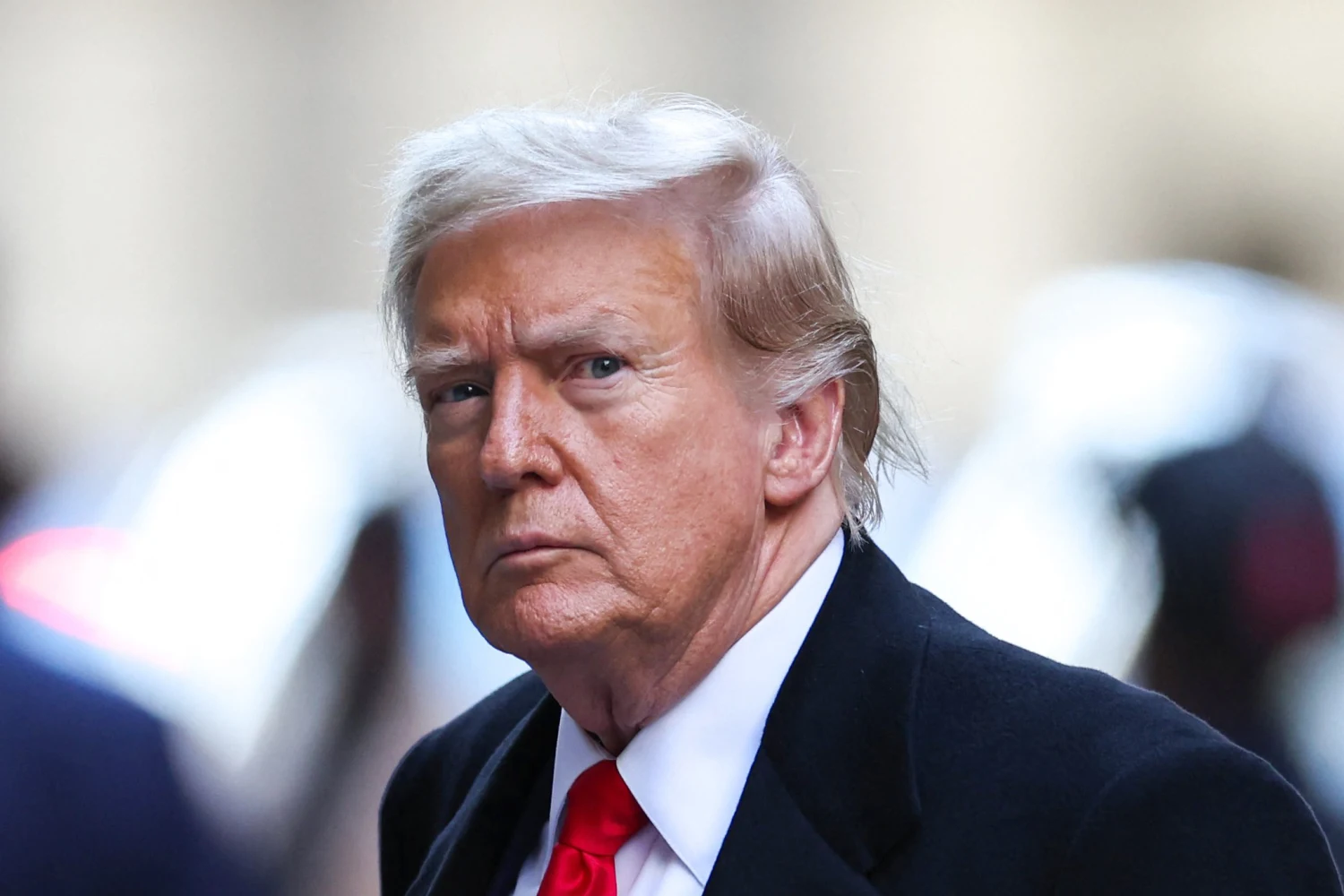

President-elect Donald Trump has appealed to the U.S. Supreme Court to halt the enforcement of a law requiring the sale or ban of TikTok, a widely popular social media app.
The Supreme Court is set to hear the case on January 10. The contested legislation, passed by Congress in April, mandates that ByteDance, TikTok’s Chinese parent company, divest its ownership of the app by January 19 or face a nationwide ban.
Trump, seeking a political resolution to the matter, has requested a delay in the law’s implementation to allow his incoming administration to address the issue after his inauguration.
This marks a significant pivot from Trump’s earlier stance in 2020, when he attempted to ban TikTok, citing concerns over its Chinese ownership. His legal team has now sought a stay on the law’s deadline, emphasizing the importance of resolving the matter through political dialogue.
TikTok, which has over 170 million users in the U.S., has filed to overturn the law. If the legal challenge fails and ByteDance does not divest, the app could face a ban just one day before Trump’s inauguration.
D. John Sauer, Trump’s lawyer and nominee for U.S. solicitor general, stated, “President Trump takes no position on the underlying merits of this dispute. He respectfully requests that the Court consider staying the Act’s deadline to allow the incoming administration to pursue a political resolution.”
TikTok CEO Shou Zi Chew met with Trump earlier in December, where the president-elect expressed a more lenient approach toward the app, citing its influence during his campaign. Trump reportedly garnered billions of views on TikTok and advocated for its continued operation “for at least a little while.”
TikTok has maintained that its U.S. user data is stored on Oracle-managed American servers and that moderation for American content occurs domestically. It has denied allegations of posing a national security threat.
Critics of the legislation, including free speech advocates, argue that it mirrors censorship practices seen in authoritarian regimes. However, the U.S. Justice Department and several lawmakers continue to assert that TikTok’s ties to China represent a significant risk.
Montana Attorney General Austin Knudsen, joined by 22 state attorneys general, filed an amicus brief urging the Supreme Court to uphold the law, highlighting national security concerns.
