

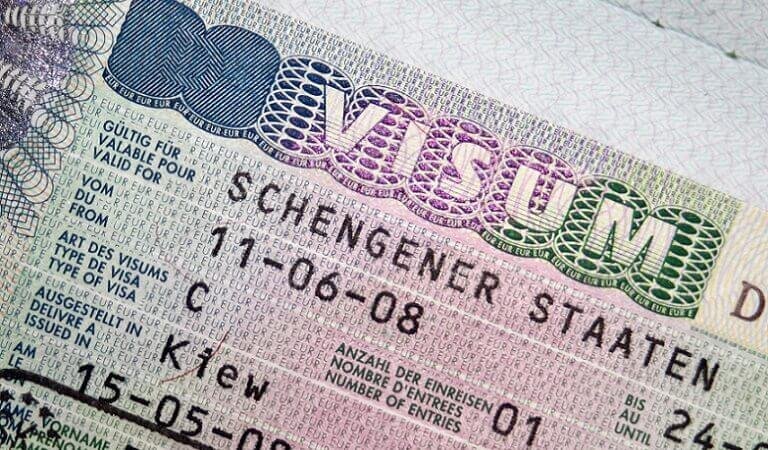

Romania and Bulgaria have officially joined the European Union’s Schengen visa zone, allowing seamless travel to these countries with a Schengen visa.
This milestone marks the culmination of 13 years of negotiations that began in 2011. With their inclusion, Romania and Bulgaria have removed border checkpoints with other Schengen countries, enabling unrestricted movement for travelers across their shared borders.
Both nations became EU members in 2008, but their accession to the Schengen zone was delayed by prolonged discussions. The Schengen area, established in 1985, now consists of 29 member countries, fostering free movement and bolstering economic and social ties within Europe.
This expansion highlights a significant step in Romania and Bulgaria’s deeper integration into the European Union, enhancing connectivity and cooperation within the bloc.
Meanwhile, The European Commission is set to raise Schengen visa fees starting June 11, 2024. The new charges will be £90 for adults and £45 for children.
The Slovenian Ministry of Foreign and European Affairs has announced that visa fees for children between 6 and 12 years old will increase from €40 to €45.
For countries that have not cooperated with the European Union in readmitting their citizens who are irregularly staying in EU member states, visa fees could rise to €135 or €180.
This fee increase follows the latest review of EU visa fees in December 2023, as stipulated by the Schengen Visa Code, which mandates a review every three years.
The EU has justified the increase by citing the need to account for inflation and the salaries of civil servants in member states.
However, the International Air Transport Association warns that the higher EU visa fees could negatively impact travel affordability and local economies in EU member states, as increased fees may deter travelers and reduce travel volumes.
Meanwhile, the EU’s once-idyllic system of passport-free travel among its member states is undergoing significant changes due to perceived terrorist threats and concerns about unchecked immigration.
European governments are increasingly implementing border controls to reclaim sovereignty and bolster national security.
