

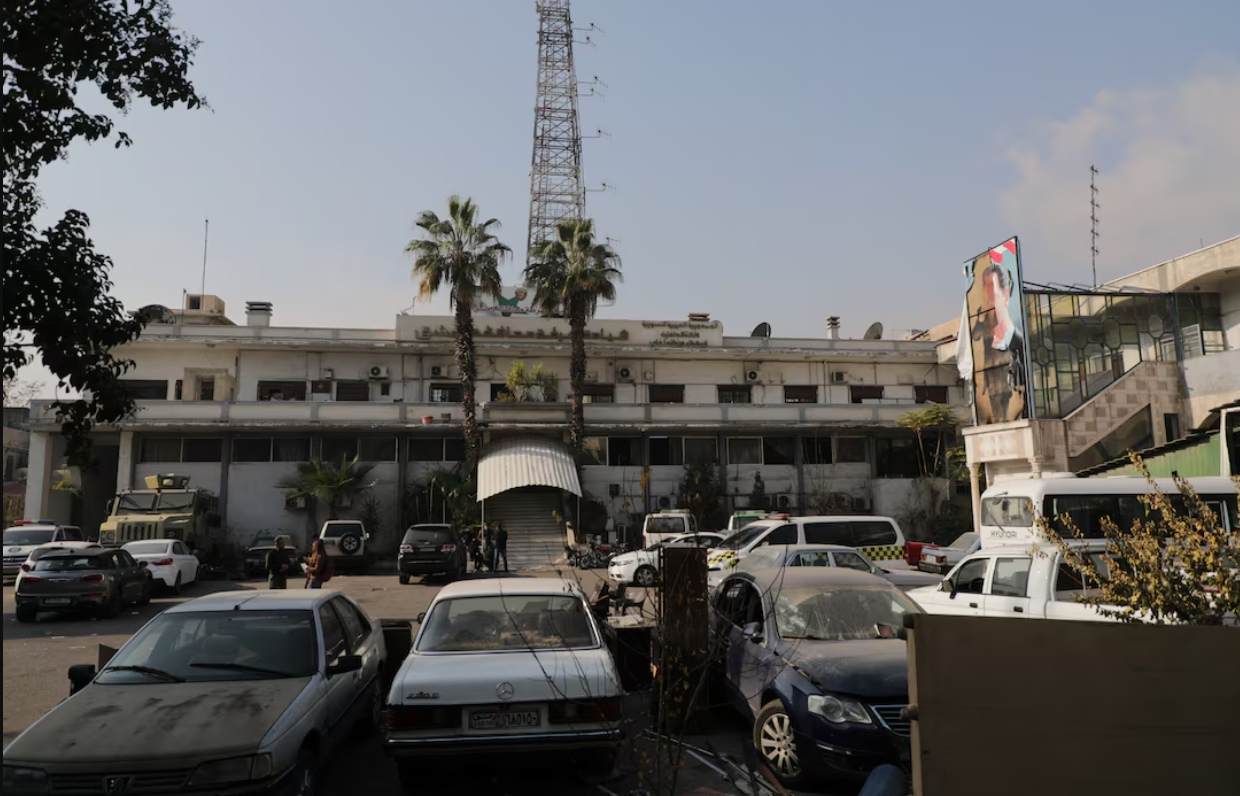

Syria’s new leadership is utilizing Islamic principles to train a nascent police force, aiming to instill a sense of morality as they fill the security gap left by the disbandment of the previous regime’s corrupt and oppressive security forces. Recruits, many of whom are former rebels from Idlib, are undergoing brief training that emphasizes Islamic sharia law, alongside queries about their beliefs.
The newly formed police force’s main challenge is ensuring stability while earning the trust of the Syrian populace, particularly after the fallout of 13 years of civil war. However, focusing on religious law risks deepening divisions in a diverse society, experts warn. The country’s minorities, including Christians, Alawites, Druze, and secular Sunni Muslims, may find the rise of religious law unsettling. This is especially true in urban areas like Damascus and Aleppo, where many prefer secular governance.
The government’s emphasis on religious principles in police recruitment has drawn the attention of foreign governments, concerned about the direction of Syria’s constitutional reforms. Despite past allegations of extremist ties, the group in power, Hayat Tahrir al-Sham (HTS), has tried to present itself as a moderate force that respects the rights of minorities. HTS officials have previously backed away from strict interpretations of Islamic law, even abandoning certain controversial practices during the war.
In December, Syrians witnessed a significant rebuilding of the police force, with over 200,000 applicants vying for positions. The government has stated that the police force will not force religious law onto the general population but will focus on instilling ethical behavior in recruits.
The brutality of Bashar al-Assad’s police forces, notorious for their arrests, torture, and extortion, led to widespread public anger, with police stations being looted after the regime’s downfall. While many stations have been reopened with limited staffing, the need for more officers is pressing.
The new police academy in Damascus celebrated the graduation of 500 recruits in January. While recruits are undergoing basic training, including handling weapons and studying Islamic law, future plans involve expanding the program to nine months, integrating comprehensive training and religious teachings.
Syria’s security situation remains volatile, with the police force under pressure to stabilize the country quickly. The new authorities’ focus on religion may help with the speed of recruitment but risks alienating various communities within Syria. As they rebuild, there’s concern over whether their focus on Islamic law could be a deterrent to some, including members of religious minorities, as well as Sunni Muslims who value secularism.
The question of how much influence Islam will have on Syria’s future remains uncertain, but the new police force’s evolution will be pivotal to the country’s post-war stability.
