

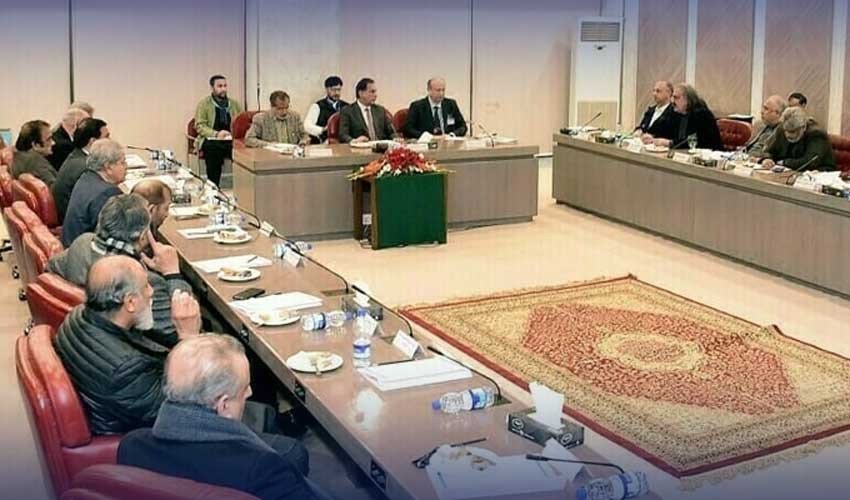

The government has formally addressed Pakistan Tehreek-e-Insaf’s (PTI) demands, responding to key concerns such as the release of political prisoners, including former Prime Minister Imran Khan, and the establishment of a judicial commission.
In a response submitted to the National Assembly speaker, the government suggested forming a special or parliamentary committee as an alternative to a judicial commission.
Sources indicate that the government’s reply outlined constitutional and legal reasons preventing the formation of a judicial commission. It further proposed granting the status of a parliamentary committee to the existing body led by Speaker Ayaz Sadiq.
Regarding PTI’s demand for the release of its founder and other detained members, the government referred to legal and judicial decisions, clarifying that it would not oppose their release if granted by the courts.
Additionally, the government requested PTI to provide a list of missing persons. However, officials have opted not to disclose the government’s response publicly at this stage. If PTI agrees to resume negotiations, the response will be presented for discussion within the committee.
Prime Minister Shehbaz Sharif has been briefed on the matter, sources revealed. Meanwhile, differences have emerged between the government and the Speaker’s Office regarding the committee’s future. While the speaker aims to continue discussions, the government is considering dissolving the committee after January 31.
The government’s response did not entirely dismiss the possibility of a judicial commission but emphasized the legal and procedural challenges involved. It also outlined specific conditions under which a commission could be considered, while reiterating its preference for a parliamentary committee to handle the matter.
Deadlock in Talks
The ongoing negotiations between the government and PTI remain uncertain, as PTI refused to participate in the January 28 meeting, citing unfulfilled demands and lack of progress. Speaker Ayaz Sadiq had scheduled the session at Parliament House and reached out to PTI leaders Omer Ayub and Asad Qaiser, inviting them to attend.
However, PTI declined, accusing the government of failing to establish a judicial commission to investigate the incidents of May 9, 2023, and November 26, 2024.
PTI’s Stance
PTI Chairman Barrister Gohar stated, “We will not attend a mere photo session. This is a serious issue, and the government has taken no concrete steps within the agreed seven-day period.”
He further asserted, “For us, the negotiations have concluded as the government has shown no genuine intention to resolve these crucial matters. No announcements or measures have been taken in this regard.”
During the third round of talks on January 16, PTI had presented a charter of demands, emphasizing the necessity of an independent judicial commission to investigate the specified incidents.
Government’s Response
Senator Irfan Siddiqui, representing the government’s negotiating committee, expressed disappointment over PTI’s stance.
“They are violating the agreed seven-day timeline, which ends today. We have fulfilled our part of the agreement, and it is now up to them to decide whether to cooperate. If PTI refuses to participate, we will submit our written response to the National Assembly speaker and proceed accordingly,” he stated.
On January 24, Speaker Ayaz Sadiq had called for the fourth round of negotiations to be held on January 28, with both government and opposition representatives expected to attend.
However, opposition leader Omer Ayub firmly declared that PTI would not join the meeting.
PTI leaders also criticized recent legislative moves, arguing that new laws were being passed with limited transparency and could be used to suppress dissent and media freedom. Barrister Gohar stressed that all legislation must align with constitutional principles, warning that the current government was enacting laws without proper adherence to constitutional processes.
Govt Proposes Parliamentary Body Instead of Judicial Commission in Response to PTI’s Demands
Revised Text:
The government has formally addressed Pakistan Tehreek-e-Insaf’s (PTI) demands, responding to key concerns such as the release of political prisoners, including former Prime Minister Imran Khan, and the establishment of a judicial commission.
In a response submitted to the National Assembly speaker, the government suggested forming a special or parliamentary committee as an alternative to a judicial commission.
Sources indicate that the government’s reply outlined constitutional and legal reasons preventing the formation of a judicial commission. It further proposed granting the status of a parliamentary committee to the existing body led by Speaker Ayaz Sadiq.
Regarding PTI’s demand for the release of its founder and other detained members, the government referred to legal and judicial decisions, clarifying that it would not oppose their release if granted by the courts.
Additionally, the government requested PTI to provide a list of missing persons. However, officials have opted not to disclose the government’s response publicly at this stage. If PTI agrees to resume negotiations, the response will be presented for discussion within the committee.
Prime Minister Shehbaz Sharif has been briefed on the matter, sources revealed. Meanwhile, differences have emerged between the government and the Speaker’s Office regarding the committee’s future. While the speaker aims to continue discussions, the government is considering dissolving the committee after January 31.
The government’s response did not entirely dismiss the possibility of a judicial commission but emphasized the legal and procedural challenges involved. It also outlined specific conditions under which a commission could be considered, while reiterating its preference for a parliamentary committee to handle the matter.
Deadlock in Talks
The ongoing negotiations between the government and PTI remain uncertain, as PTI refused to participate in the January 28 meeting, citing unfulfilled demands and lack of progress. Speaker Ayaz Sadiq had scheduled the session at Parliament House and reached out to PTI leaders Omer Ayub and Asad Qaiser, inviting them to attend.
However, PTI declined, accusing the government of failing to establish a judicial commission to investigate the incidents of May 9, 2023, and November 26, 2024.
PTI’s Stance
PTI Chairman Barrister Gohar stated, “We will not attend a mere photo session. This is a serious issue, and the government has taken no concrete steps within the agreed seven-day period.”
He further asserted, “For us, the negotiations have concluded as the government has shown no genuine intention to resolve these crucial matters. No announcements or measures have been taken in this regard.”
During the third round of talks on January 16, PTI had presented a charter of demands, emphasizing the necessity of an independent judicial commission to investigate the specified incidents.
Government’s Response
Senator Irfan Siddiqui, representing the government’s negotiating committee, expressed disappointment over PTI’s stance.
“They are violating the agreed seven-day timeline, which ends today. We have fulfilled our part of the agreement, and it is now up to them to decide whether to cooperate. If PTI refuses to participate, we will submit our written response to the National Assembly speaker and proceed accordingly,” he stated.
On January 24, Speaker Ayaz Sadiq had called for the fourth round of negotiations to be held on January 28, with both government and opposition representatives expected to attend.
However, opposition leader Omer Ayub firmly declared that PTI would not join the meeting.
PTI leaders also criticized recent legislative moves, arguing that new laws were being passed with limited transparency and could be used to suppress dissent and media freedom. Barrister Gohar stressed that all legislation must align with constitutional principles, warning that the current government was enacting laws without proper adherence to constitutional processes.
