


Foreign Fund Freeze
The U.S. State Department swiftly implemented a directive to freeze most ongoing foreign aid initiatives, pausing new funding efforts. Initially framed as part of a routine review, this decision has caused significant concern among Iranian opposition figures and exile groups.
Publicly, these figures argue that the aid freeze will worsen human rights abuses in Iran by cutting off support for independent media and civil society organizations.
However, a closer analysis reveals that the real issue lies in the blow dealt to longstanding efforts by the U.S. to support regime change in Iran through financial and strategic backing of opposition movements.
In September 2024, leaked documents and emails obtained by The Grayzone shed light on the extent of U.S. involvement in shaping Iran’s opposition.
These leaks revealed a covert initiative led by Carl Gershman, the former director of the National Endowment for Democracy (NED), to create an “Iran Freedom Coalition” (IFC) comprising pro-Western activists and neoconservative operatives.
The coalition’s aim was to destabilize the Iranian government and further Washington’s geopolitical interests by supporting opposition groups, with a focus on figures such as Reza Pahlavi, the exiled son of Iran’s last monarch, and Masih Alinejad, a U.S.-based journalist.
The NED has long been a tool of U.S. foreign policy, with a history of funding movements aimed at toppling foreign governments under the guise of promoting democracy.
The leaked documents suggest that U.S. assistance to Iran’s opposition groups was part of a broader strategy of regime change, rather than simply supporting human rights or civil society.
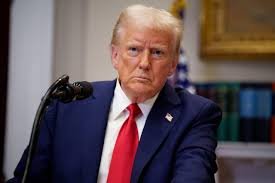
The impact of Trump’s decision to freeze foreign funds has been significant, particularly in the reaction of Dana Stroul, a former U.S. defense official.
Stroul lamented the aid suspension, framing the funding as critical to the “maximum pressure” campaign against Iran, which aligns with the rhetoric of figures like Pahlavi who have called for increased U.S. support to weaken the Iranian regime.
The abrupt halt in U.S. financial support has left many in Iran’s opposition scrambling. Exile groups that once positioned themselves as independent, grassroots movements are now confronting the reality of their dependence on U.S. resources.
The aid freeze has forced a critical moment of reckoning for these groups, highlighting the strategic role that financial backing plays in their efforts to challenge the Iranian regime.
As the situation develops, the future of these U.S.-sponsored opposition movements remains uncertain. While the immediate effects of the aid freeze are felt most acutely by opposition figures in exile, the larger implications may affect U.S. foreign policy towards Iran for years to come.
The crisis of dependence exposed by the freeze raises questions about the true nature of these opposition movements and the extent to which they represent the will of the Iranian people.
