

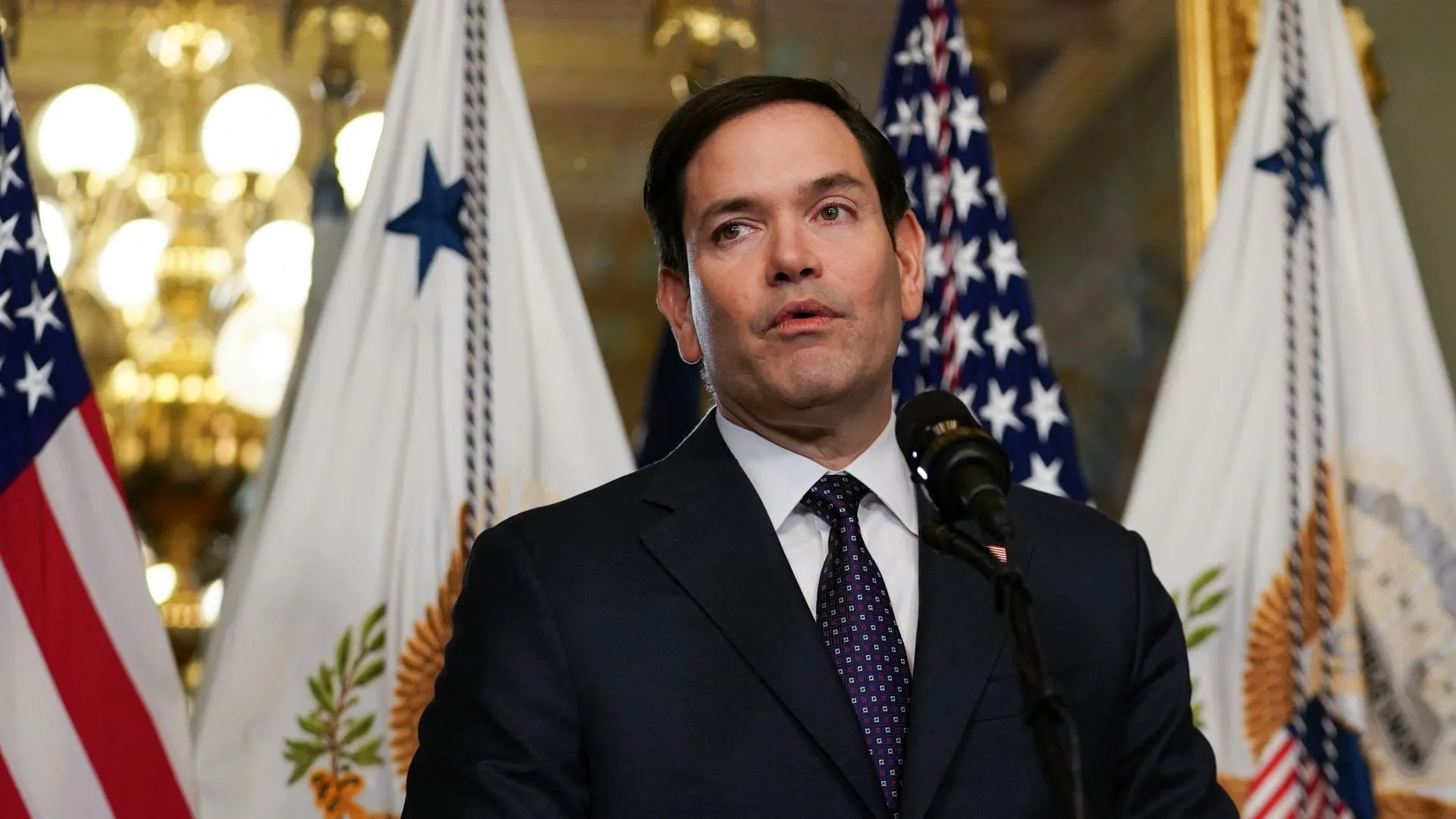

U.S. Secretary of State Marco Rubio has arrived in Panama for his first official foreign visit, carrying forward President Donald Trump’s agenda on trade, security, and regional cooperation. A key issue overshadowing the trip is Trump’s stance on the Panama Canal, which has sparked controversy in diplomatic circles.
Panama’s leadership has firmly rejected any discussions regarding the canal’s ownership. President José Raúl Mulino reiterated that the waterway remains under Panama’s control and is “not up for negotiation.” His remarks come amid heightened tensions following Trump’s previous statements suggesting the U.S. should reconsider its role in the canal’s management. The issue has been further complicated by concerns over China’s involvement, as a Hong Kong-based consortium currently operates the ports at both ends of the canal.
While the canal dispute remains a point of contention, Rubio’s visit is also centered on strengthening trade relations, addressing migration challenges, and enhancing cooperation on countering transnational criminal organizations. The U.S. aims to bolster its influence in the region while reinforcing security partnerships to combat drug trafficking and illegal immigration.
Beyond Panama, Rubio’s diplomatic tour includes stops in Costa Rica, Guatemala, El Salvador, and the Dominican Republic. His six-day visit is intended to reinforce U.S. engagement with Latin American allies, aligning with the broader objectives of the Trump administration’s “America First” foreign policy.
As the visit unfolds, attention will remain on how Panama navigates its firm stance on the canal while maintaining diplomatic relations with Washington. The outcome of these discussions could shape future U.S.-Panama relations, especially in the context of growing geopolitical competition in the region.
