


Pakistan
The Pakistani government has initiated a large-scale operation to deport undocumented Afghan nationals as part of its broader efforts to repatriate foreign nationals residing illegally in the country. This move, which is being carried out by the Ministry of Interior, is part of Pakistan’s ongoing efforts to regulate immigration and enforce residency laws.
Sources within the Ministry of Interior confirmed that the deportation operation is currently underway in various regions across Pakistan, including the capital city of Islamabad.
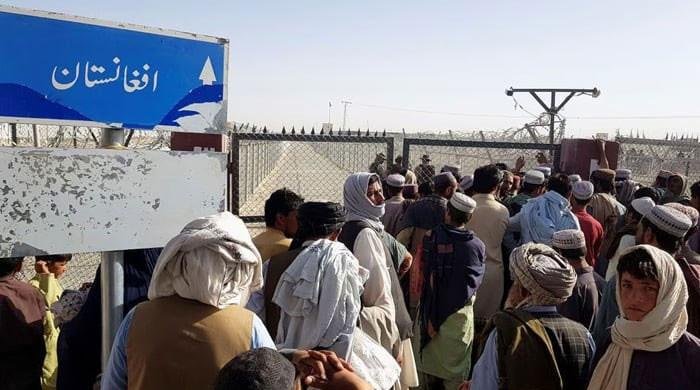
On Wednesday, 781 Afghan nationals were deported through the Torkham border crossing, which serves as a major gateway between Pakistan and Afghanistan.
The deportation comes after months of growing pressure from the government to address the presence of undocumented migrants, particularly those from Afghanistan, in the country.
While the operation targets illegal Afghan residents, there is an important exception to the deportation process. Afghan citizens who have been sponsored by foreign governments for resettlement in third countries are not part of this mass deportation.
These individuals are allowed to remain in Pakistan until their resettlement process is completed. However, according to sources in the Ministry of Interior, the Ministry of Foreign Affairs has been instructed to notify the relevant foreign countries to accelerate the resettlement of these individuals. If the resettlement process is not expedited, these Afghan nationals will also face deportation.
This repatriation initiative is part of Pakistan’s broader efforts to regulate its borders and manage the presence of foreign nationals in the country.
The government has stated that further deportations are expected to take place in the coming weeks as part of this ongoing operation. This move follows increasing concerns over the growing number of undocumented migrants and the strain they are placing on Pakistan’s social services and resources.
The deportation of Afghan nationals is expected to continue, with the authorities monitoring the process closely to ensure compliance with the country’s immigration policies.
