

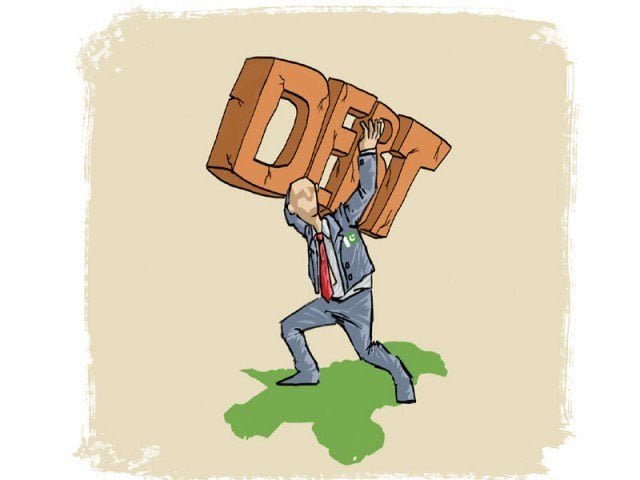

ISLAMABAD: Pakistan’s public debt remained above the sustainable level in the last fiscal year, violating parliamentary debt limits due to soaring interest expenses. .
The report confirmed that the government failed to bring public debt down to 56.75% of GDP by the end of FY 2023-24, as mandated by the Fiscal Responsibility and Debt Limitation Act. The debt ceiling will be further tightened to 56% for the current fiscal year (FY 2024-25).
World Bank Flags Debt Transparency Issues
The Debt Policy Statement follows a World Bank Debt Heat Map report, which highlighted transparency concerns in Pakistan’s debt reporting.
According to the World Bank report:
- The government delayed the release of the Annual Debt Bulletin for the last fiscal year.
- The Annual Borrowing Plan was published over two months late.
- There was no disclosure on public-private partnership-related guarantees.
Finance Ministry Responds to Reporting Delays
In response, Finance Ministry spokesperson Qumar Abbasi acknowledged a minor delay in publishing debt-related reports, attributing it to human resource reshuffling within the Debt Office.
Regarding difficulties in integrating debt data across different government institutions, Abbasi stated that efforts were ongoing, with officials from the State Bank of Pakistan (SBP), Finance Ministry, and Economic Affairs Ministry working to streamline data integration.
Debt-to-GDP Ratio & Interest Costs
The Fiscal Responsibility and Debt Limitation Act of 2005 required that public debt not exceed 56.75% of GDP for FY 2023-24. However, the actual public debt stood at 67.5% of GDP, significantly breaching the limit.
While the federal primary deficit showed improvement, with a surplus generated last fiscal year, the rising interest costs remained a major burden.
- The SBP policy rate peaked at 22% in FY 2024, driving up borrowing costs.
- The government spent a record Rs8.2 trillion on interest payments last fiscal year.
- This was Rs2.5 trillion (43%) higher than the previous fiscal year.
The report underscores that high borrowing costs continue to challenge Pakistan’s economic stability, despite efforts to manage fiscal deficits and improve financial reporting.
