

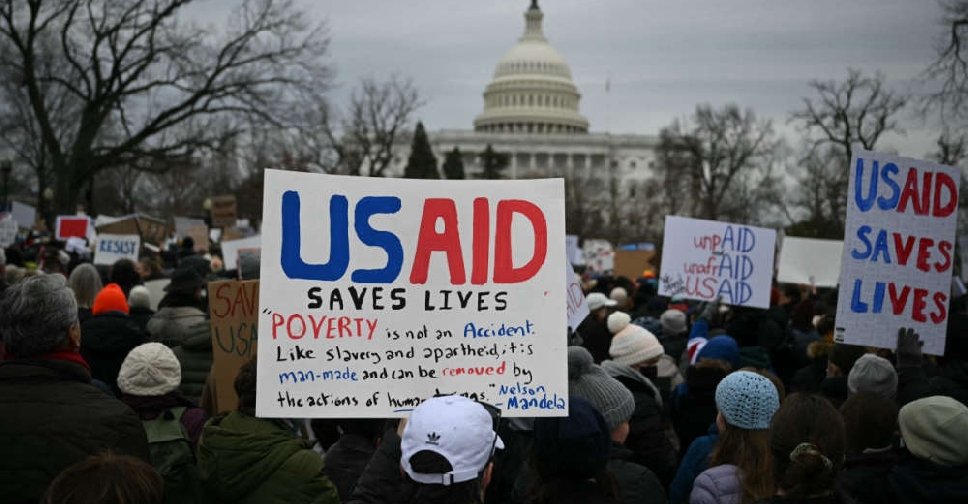

The abrupt halt of U.S. foreign aid has thrown Pakistan into a deep humanitarian and healthcare crisis, affecting millions of people across the country. The decision, made by U.S. President Donald Trump, saw the suspension of all USAID-funded programs, which provided vital services in healthcare, education, economic development, and refugee assistance. As a result, hundreds of Pakistani employees have lost their jobs, and critical healthcare programs have been suspended, leaving vulnerable populations without essential support.
Healthcare and Employment Crisis
One of the most immediate and severe consequences of the USAID suspension is its devastating impact on Pakistan’s healthcare sector. In Shikarpur, Sindh, for instance, over 100 workers were suddenly laid off when the U.S.-funded tuberculosis control program was halted without warning. Launched in November 2023, this program was a key initiative designed to combat tuberculosis in some of the most underdeveloped districts in Sindh, with the goal of reducing the disease’s burden by 2029.
Pakistan ranks sixth globally in terms of the highest tuberculosis burden, with over 600,000 new cases reported annually. The shutdown of this critical program leaves thousands of patients vulnerable to worsening conditions and the spread of the disease.
In addition to tuberculosis, the suspension has also affected a U.S.-funded HIV/AIDS program in Sindh, cutting off life-saving medications for many patients. With over 210,000 individuals living with HIV in Pakistan, the cessation of this program is exacerbating an already dire public health crisis. Thousands of patients now find themselves without access to treatment, facing uncertainty over their health and well-being.
USAID’s Longstanding Contributions and Their Impact
For over a decade, USAID has been a major contributor to Pakistan’s development efforts, funding crucial programs in healthcare, education, infrastructure, energy, and economic growth. Between 2010 and 2020, Pakistan received an estimated $2.5 billion in USAID funding, with substantial portions of this allocated to programs in the health and humanitarian sectors. This funding was vital in supporting Pakistan’s poorest and most vulnerable populations, particularly those in remote regions where local resources were limited.
The sudden suspension of these programs threatens the survival of many initiatives that have had a transformative impact on Pakistan’s social and economic development. From health centers providing maternal care to education programs aimed at empowering marginalized communities, the loss of USAID funding has left a void that the Pakistani government and local organizations are struggling to fill.
1.7 Million People Directly Affected
According to estimates from the United Nations, the suspension of USAID programs will directly impact around 1.7 million people in Pakistan. This includes 1.2 million Afghan refugees who had relied on USAID-supported health and humanitarian programs for basic services. The shutdown of over 60 health facilities across Pakistan has already begun to take a toll, with the Sindh provincial government acknowledging the devastating consequences of the aid freeze on the most vulnerable citizens.
Beyond healthcare, the suspension of USAID programs also affects critical sectors like energy, trade, climate change, and nutrition. Mohammad Dittal Kalhoro, the head of the Sindh Rural Support Organization, warned that the suspension of these vital programs puts the lives of millions of people at risk. Without immediate alternatives, many communities that were previously dependent on U.S. assistance are now left without essential services, including healthcare, clean water, and food security.
A Shift in Pakistan’s Aid Dependence?
While the aid freeze has plunged Pakistan into a crisis, some analysts see this as an opportunity for the country to reassess its dependency on foreign aid. Economist Shahid Hasan Siddiqui argues that the current situation could serve as a wake-up call for Pakistan to prioritize self-sufficiency and resource allocation. “This crisis, while creating immediate hardships, could push Pakistan to discipline its economy, refocus national priorities, and take back responsibilities that were previously outsourced to international donors and NGOs,” Siddiqui said.
He pointed out that while Pakistan has received billions of dollars in U.S. aid over the years, the country has also incurred significant economic losses, particularly from its involvement in the war on terror, which has cost Pakistan over $130 billion. Siddiqui suggested that Pakistan should now focus on improving domestic revenue generation, including tax collection, and increase its allocation for essential public services like healthcare, education, and infrastructure. This, he argues, would reduce the country’s dependency on foreign aid in the long run.
Pakistan’s Response and Future Outlook
Pakistan’s Foreign Ministry has expressed hope that the suspension of USAID programs will be temporary. In a statement, spokesperson Shafqat Ali Khan said, “USAID has been involved in numerous beneficial projects in Pakistan, including energy, education, healthcare, and narcotics control. We hope these programs will be reinstated soon to continue supporting the people of Pakistan.”
While Pakistan remains hopeful for the restoration of these vital programs, the future remains uncertain as the country grapples with an increasingly strained healthcare system and the absence of critical foreign support. The government faces the challenge of finding alternative sources of funding and support to replace the essential services that USAID had provided.
The suspension also highlights Pakistan’s vulnerability to shifts in global aid policies, and the country’s reliance on international funding for its development initiatives. While efforts are underway to address the immediate impacts of the aid suspension, long-term solutions will require a shift toward more sustainable, locally-driven initiatives.
Humanitarian Assistance in Limbo
The suspension of USAID programs has left many humanitarian organizations and local NGOs scrambling to find funding and resources to continue their work. These organizations, which were previously supported by U.S. aid, are now struggling to fill the void left by the cessation of foreign assistance.
For example, in Sindh, local healthcare providers are working tirelessly to fill the gaps left by the shutdown of U.S.-funded health centers, but with limited resources. As healthcare facilities struggle to stay afloat, patients in need of critical care find themselves without treatment. The suspension has left a deep void in the provision of essential services like maternal health, immunization programs, and tuberculosis control, all of which have been severely impacted by the aid freeze.
Many of Pakistan’s most vulnerable communities, including Afghan refugees, have also been disproportionately affected by the suspension of USAID programs. For these individuals, the loss of access to healthcare and basic humanitarian aid is a significant blow, leaving them at increased risk of disease, malnutrition, and poverty.
Conclusion: A Crucial Moment for Pakistan
The suspension of USAID programs is a crisis that has far-reaching consequences for Pakistan. It has affected hundreds of thousands of individuals, particularly in the healthcare sector, where vital programs that address tuberculosis, HIV/AIDS, and maternal health have been halted. Moreover, it has left millions without access to essential humanitarian services, putting the lives of vulnerable populations at risk.
While the crisis has sparked renewed calls for Pakistan to reassess its reliance on foreign aid, the immediate priority remains finding ways to mitigate the negative impacts on vulnerable communities. The government must take swift action to restore access to healthcare and humanitarian services, either by securing alternative funding or working with international partners to resume critical programs.
For now, the aid freeze remains a harsh reminder of the challenges Pakistan faces in ensuring sustainable development and healthcare for its people. The government, alongside local organizations, will need to rise to the challenge of finding long-term solutions to ensure that the country is less dependent on foreign aid and better equipped to meet the needs of its citizens.
