

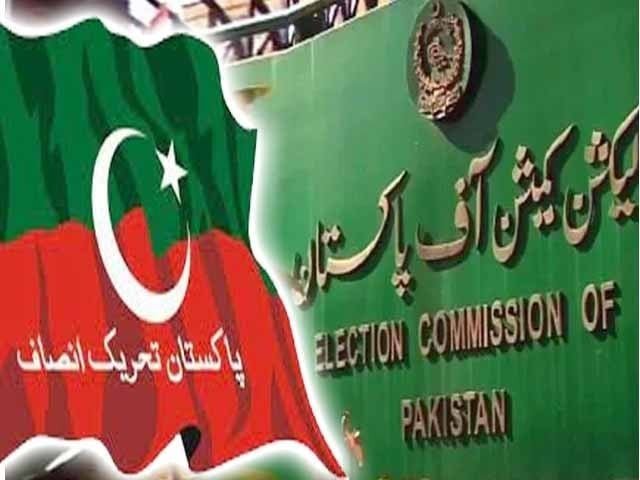

A heated confrontation unfolded on social media between Pakistan Tehreek-e-Insaf (PTI) and the Election Commission of Pakistan (ECP), as both parties exchanged accusations in a public dispute.
PTI’s official X (formerly Twitter) account strongly criticized the Election Commission, alleging electoral misconduct and claiming that the people’s mandate had been disregarded. The party directly accused Chief Election Commissioner Sikandar Sultan Raja of conspiring with former Chief Justice Qazi Faez Isa, alleging that the elections had been manipulated to benefit specific political groups. PTI labeled this alleged interference as an act of “treachery” against the nation.
In a swift rebuttal, the ECP’s spokesperson directly responded to PTI’s claims in the same thread. The Election Commission stated that during PTI’s tenure, all institutions worked in coordination and facilitated one another. However, the ECP asserted that it did not act as a facilitator during that period, nor does it now.
This unprecedented direct exchange between a major political party and the Election Commission has fueled further debate, intensifying political tensions across the country. The social media clash has drawn significant public attention, with analysts and citizens weighing in on the controversy. Some argue that PTI’s allegations reflect broader concerns over electoral transparency, while others see the ECP’s response as a sign of institutional independence.
The dispute highlights the ongoing friction between PTI and the Election Commission, which has been at the center of multiple controversies since the elections. Observers note that such open confrontations on digital platforms underscore the evolving role of social media in shaping political discourse.
As the debate continues, political divisions appear to be deepening, raising concerns about stability and governance in the country.
