

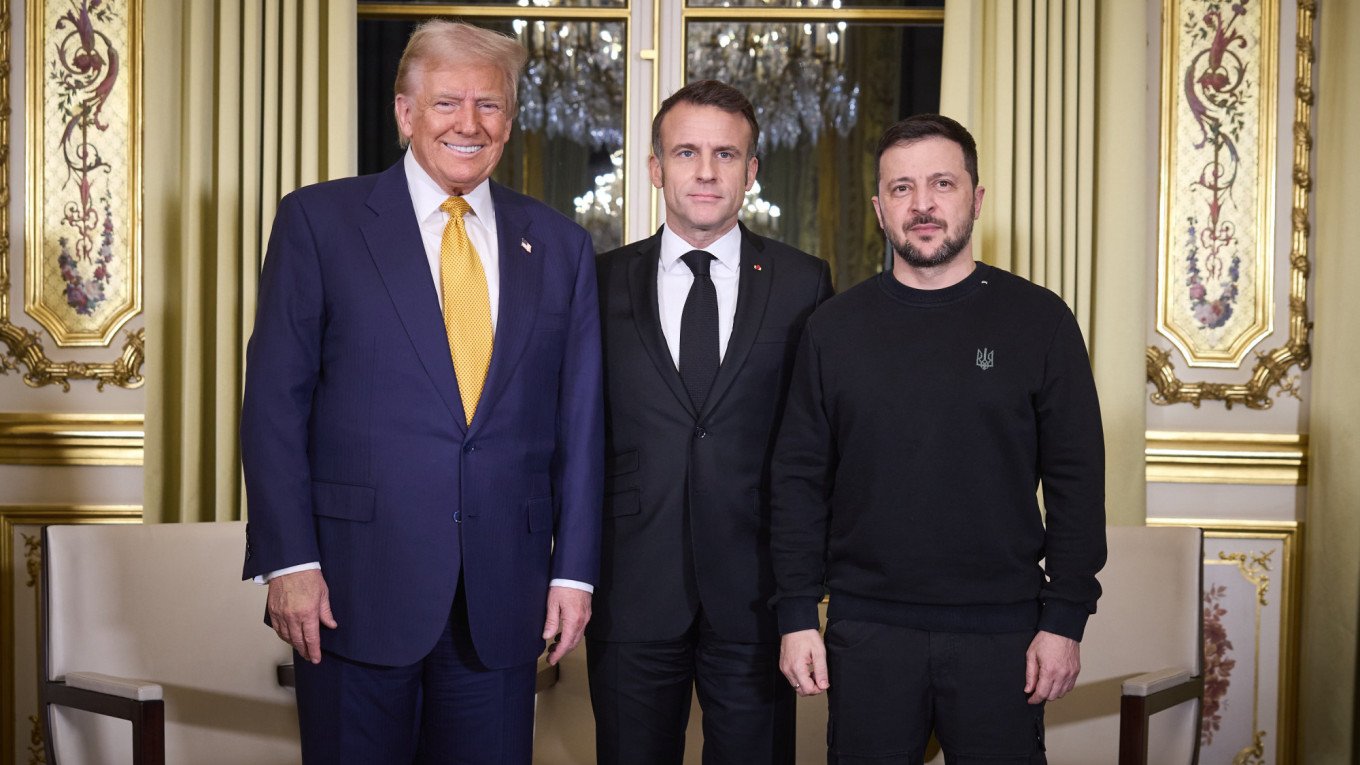

A senior White House official has stated that President Donald Trump’s increasingly sharp criticism of Ukrainian President Volodymyr Zelenskyy reflects growing frustration within the administration over what they see as Zelenskyy obstructing efforts to find a resolution to the Russia-Ukraine war.
The remarks, made by National Security Adviser Mike Waltz on Thursday, followed Trump’s comments labeling Zelenskyy a “dictator” and warning that he must “move fast” to negotiate an end to the war or risk losing his country entirely. Zelenskyy, in turn, accused Trump on Wednesday of being trapped in a “Russian-made disinformation space.”
“His frustration with President Zelenskyy is multifold,” Waltz said, explaining Trump’s harsh rhetoric. “There needs to be a deep appreciation for what the American people and taxpayers, and what President Trump himself, have done in his first term and since. Some of the rhetoric coming out of Kyiv, frankly, and the insults directed at President Trump are unacceptable.”
The exchange comes as the Russia-Ukraine war approaches its third anniversary and amid a significant shift in U.S. policy toward both nations under the Trump administration. Trump has been pushing for a peace deal while publicly blaming Zelenskyy for enabling the war to begin in the first place.
Waltz also highlighted Trump’s frustration with Zelenskyy’s rejection of a recent U.S. proposal, spearheaded by Treasury Secretary Scott Bessent, which would grant the U.S. access to Ukraine’s critical mineral resources in exchange for continued American support during and after the war. The deal was also presented during a meeting between Vice President JD Vance and Zelenskyy in Munich, but Zelenskyy instructed his ministers to decline the agreement, citing inadequate security guarantees for Ukraine and a deal structure that heavily favored U.S. interests.
“Rather than engage in constructive conversations about what the deal should look like, we got a lot of rhetoric in the media that was incredibly unfortunate,” Waltz said of Ukraine’s decision to reject the proposal.
Trump, earlier this week, suggested that Ukraine bore responsibility for starting the conflict. When asked whether Trump held Russian President Vladimir Putin or Zelenskyy more accountable for the ongoing war, Waltz offered a measured response. “His goal here is to bring this war to an end, period,” Waltz said. “There has been ongoing fighting on both sides. It’s World War I-style trench warfare.”
The increasingly tense back-and-forth comes as many European leaders express concern over the Trump administration’s outreach to Russia and the potential implications for Ukraine. Tensions between Trump and Zelenskyy have escalated further, leaving questions about the future of U.S.-Ukrainian relations.
