

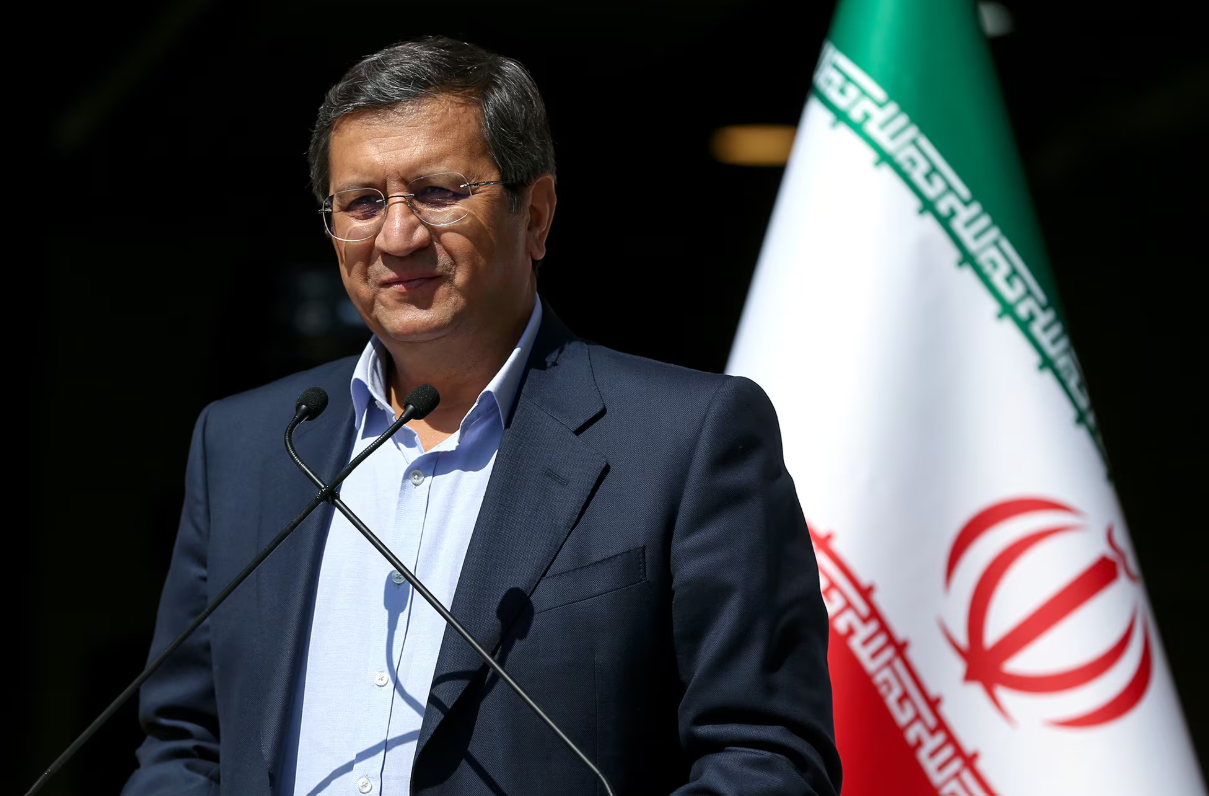

Iran’s parliament voted on Sunday to dismiss Economy Minister Abdolnaser Hemmati, citing economic mismanagement and a rapidly depreciating national currency.
Hemmati was ousted in a no-confidence vote nearly eight months after President Masoud Pezeshkian appointed his cabinet. Lawmakers blamed him for failing to stabilize the economy amid soaring inflation and a worsening exchange rate.
During his tenure, the Iranian rial lost nearly half its value against the U.S. dollar, dropping from 595,500 in August to 927,000 per dollar, according to unofficial sources.
Critics argued that Hemmati was unable to curb rising prices of essential goods, including medicine, food, and housing. They also accused him of failing to regulate the foreign exchange market effectively.
Hemmati had prioritized removing U.S. sanctions and getting Iran off the Financial Action Task Force (FATF) blacklist. However, opponents insisted that Tehran should instead focus on countering the impact of sanctions rather than negotiating their removal.
His supporters cautioned that dismissing the economy minister at a time of economic hardship could lead to further instability. Iran remains under strict U.S. sanctions, and economic hardships have fueled public discontent, particularly among low- and middle-income citizens, triggering protests since 2017.
The U.S. administration has reinstated its “maximum pressure” campaign, seeking to cripple Iran’s economy by reducing its oil exports to zero.
The parliamentary vote resulted in 182 members supporting Hemmati’s dismissal, while 89 opposed the motion.
