

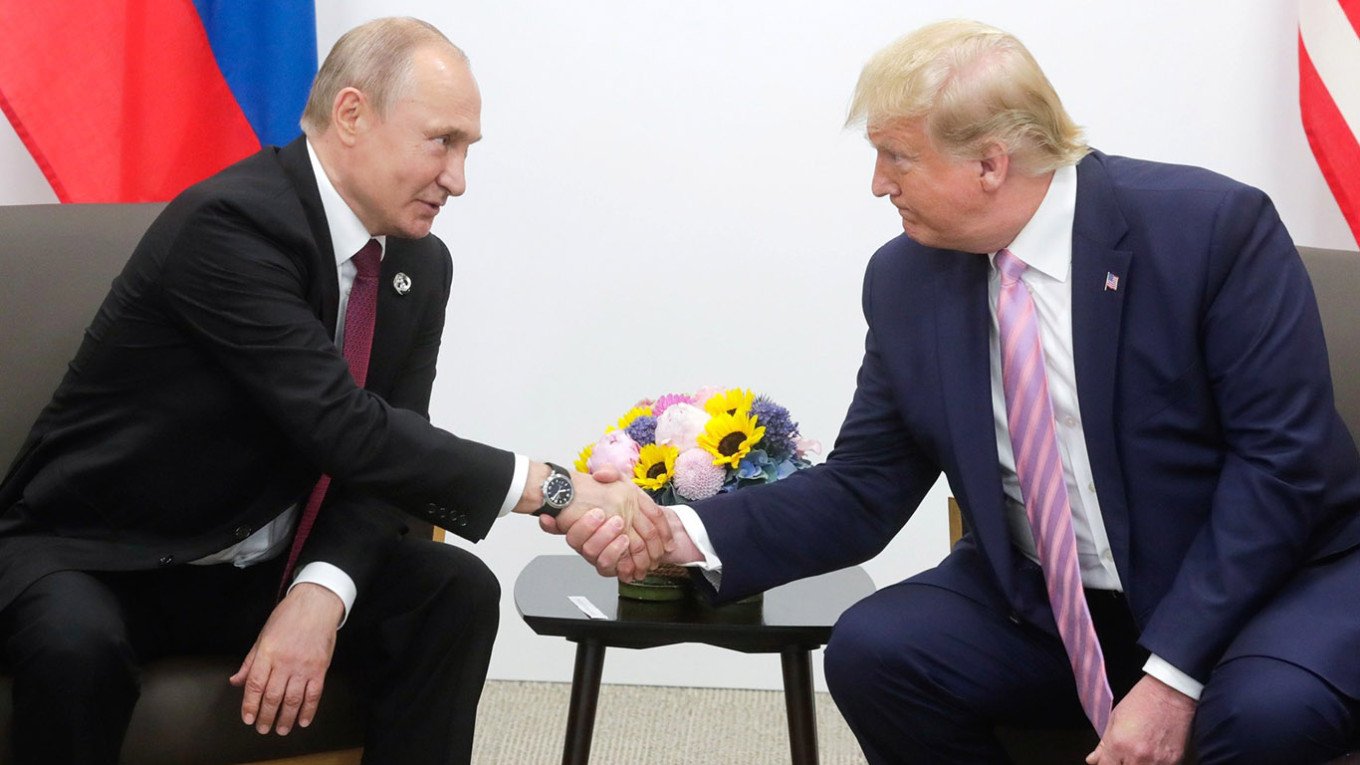

The Trump administration has reached out to Russia for help in engaging Iran over its nuclear program and regional influence, according to a media report.
The request was made during a February phone call between former President Donald Trump and Russian President Vladimir Putin. Washington asked Moscow to address its “concerns” over Iran’s nuclear advancements and its support for regional allies challenging U.S. influence — a task Putin is said to have agreed to undertake. Tehran Times reported this development today.
The outreach highlights the U.S.’s ongoing struggle to balance its “maximum pressure” sanctions campaign with a professed desire for diplomacy — a contradiction long criticized by Tehran.
Since returning to the White House, Trump has oscillated between threatening Iran with “obliteration” and expressing openness to a new nuclear peace deal — echoing the unpredictable approach of his first term. That period saw the U.S. withdraw from the 2015 nuclear deal (JCPOA), reimpose sweeping sanctions, and assassinate Iranian General Qassem Soleimani in 2020.
In response, Iran has deepened ties with Moscow, signing a 20-year strategic partnership to counter Western pressure. While the Kremlin has confirmed no formal mediation agreement, spokesperson Dmitry Peskov reiterated that Russia favors resolving disputes through negotiations and would “do everything in its power” to help.
The report comes as Trump seeks to reset relations with Russia, despite the country’s ongoing invasion of Ukraine — signaling a possible shift in Washington’s West Asia strategy.
U.S. Secretary of State Marco Rubio and Russian Foreign Minister Sergei Lavrov reportedly discussed Iran-related cooperation during a February 18 meeting in Riyadh, though details of the talks remain undisclosed.
Lavrov later briefed Iranian officials in Tehran, where Foreign Minister Abbas Araghchi rejected negotiations “under duress,” citing Trump’s erratic policies as evidence of U.S. unreliability.
Iranian Supreme Leader Ayatollah Seyyed Ali Khamenei reinforced the skepticism, saying the U.S. had proven itself untrustworthy through its withdrawal from the JCPOA and subsequent sanctions.
President Masoud Pezeshkian echoed the sentiment, vowing that Iran “will not be bullied into submission,” relying on its “resistance economy” and partnership with Russia to withstand U.S. pressure.
