

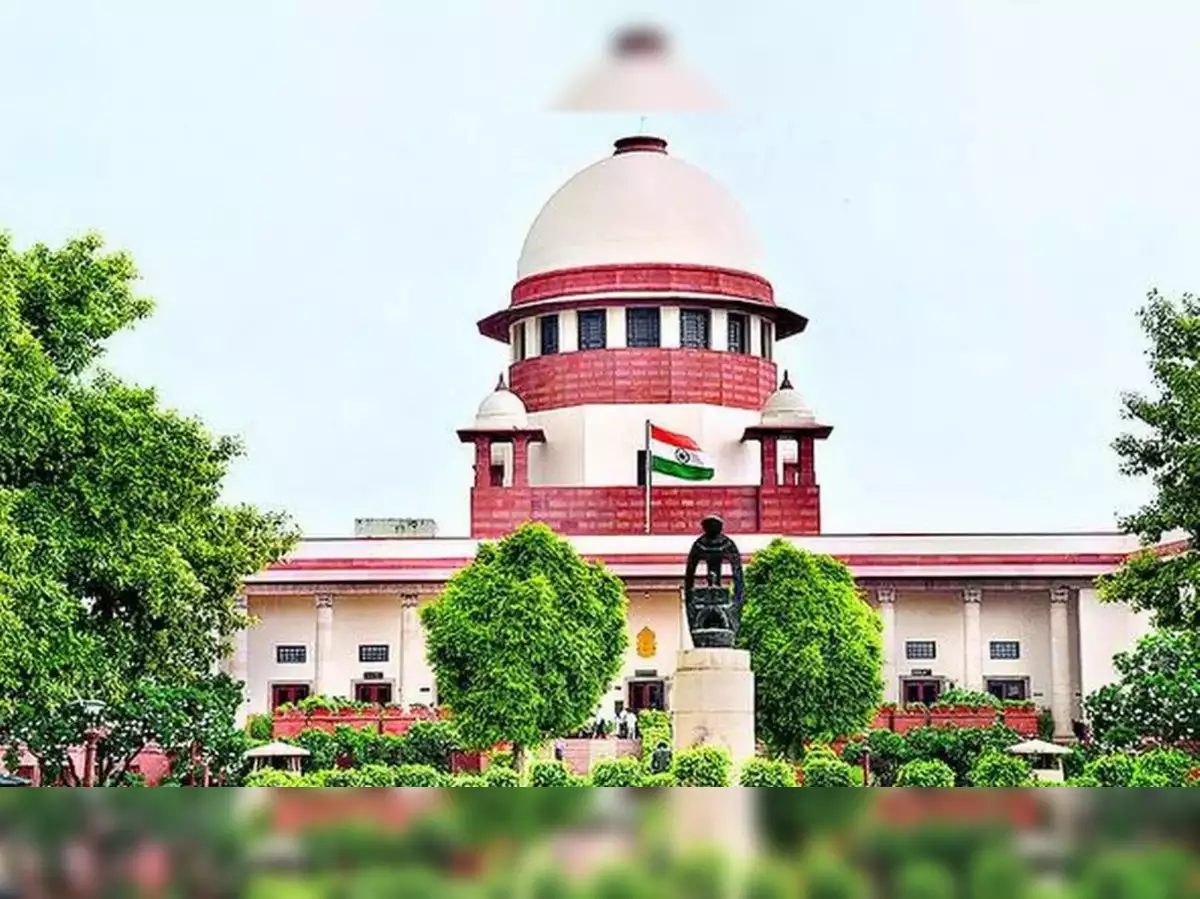

India’s Supreme Court
The Supreme Court of India has ruled that calling someone “Pakistani” or using the term “Miyan-Tiyan,” both often considered derogatory references to Muslims in India, may be inappropriate but does not constitute an offence of hurting religious sentiments under the law.
The ruling was made on February 11 by a bench comprising Justices BV Nagarathna and Satish Chandra Sharma while concluding a case against an individual accused of using these terms against a government official.
According to Indian media reports, the bench observed that while such remarks might be in poor taste, they do not meet the legal threshold for offending religious sentiments.
The case originated in the sub-divisional office of Chas in Jharkhand, where the complainant worked as an Urdu translator and acting clerk under the Right to Information (RTI) framework.
The incident occurred when the accused, Hari Nandan Singh, had sought specific information under the RTI Act from an additional collector. The appellate authority directed the complainant to personally deliver the requested information to Singh.
Upon visiting Singh’s residence, the complainant alleged that he was subjected to religiously charged abuse. Additionally, Singh was accused of using criminal force to intimidate and deter the complainant from carrying out his official duties.
Following these claims, an FIR was registered against Singh under several sections of the Indian Penal Code (IPC), including:
- Section 298 (hurting religious sentiments)
- Section 504 (intentional insult to provoke breach of peace)
- Section 506 (criminal intimidation)
- Section 353 (assault or criminal force to deter a public servant)
- Section 323 (voluntarily causing hurt)
After the charge sheet was filed, Singh applied for discharge under Section 239 of the Code of Criminal Procedure (CrPC), which allows magistrates to dismiss charges if they are found to be baseless.
Initially, in March 2022, the magistrate found sufficient grounds to proceed with framing charges against Singh. However, citing a lack of evidence, the magistrate later discharged Singh from charges of criminal intimidation and voluntarily causing hurt.
Singh subsequently challenged the magistrate’s decision in both the sessions court and the Rajasthan High Court. However, his appeals were dismissed.
Upon reviewing the case, the Supreme Court determined that there was no physical assault involved, and therefore, the Rajasthan High Court should have discharged Singh from charges under Section 353 of the IPC.
Additionally, the apex court ruled that Section 504 did not apply in this case, as there was no act committed that could have provoked a breach of peace.
While acknowledging that Singh’s remarks were inappropriate, the court concluded that they did not qualify as an offence under Section 298, which pertains to hurting religious sentiments. As a result, the Supreme Court discharged the accused from all remaining charges, bringing the case to a close.
