

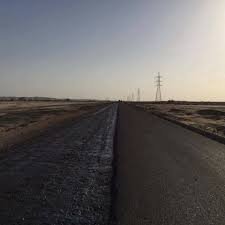

The N-40 National Highway, a key trade route between Pakistan and Iran, has been closed for the ninth consecutive day due to a protest by the families of 10 missing youths from Kardgap. The families have blocked the road in Nushki, demanding answers regarding the whereabouts of their loved ones.
The ongoing road closure has cut off Pakistan’s land connection with Iran, disrupting travel between Nushki, Rakhshan Division, and Quetta. Additionally, the closure has halted the supply of LPG gas to Punjab and Sindh, exacerbating the impact on the region’s economy.
Protesters have also resorted to vandalizing vehicles, including breaking the windows of a car attempting to take an alternative route.
In a related development, the Torkham border between Pakistan and Afghanistan has remained closed for the 16th day, according to customs authorities. The closure, which began on February 22, follows escalating tensions over the construction of a bunker by Afghan forces in a disputed area near Zero-Point.
The ongoing closure of the Torkham border has severely affected cross-border movement, with trade between the two countries completely suspended. Customs officials estimate a daily loss of approximately $3 million due to the halt in trade. Additionally, nearly 10,000 people typically cross the Torkham border daily, leaving thousands stranded on both sides.
The Torkham closure was prompted by a dispute over Afghan forces constructing a bunker in the contested area, which led to a response from Pakistan’s Frontier Corps (FC). Both sides have since reinforced their positions, and authorities have relocated officials from Torkham Bazaar to Landikotal as a precautionary measure, raising concerns of potential armed clashes.
The Torkham crossing, a critical trade route, often experiences such disruptions, severely impacting economic activities in both countries. This comes amid heightened security concerns, with Pakistan continuing to blame outlawed groups based in Kabul for terrorist incidents in Pakistan.
The porous 2,500-kilometer border between the two nations remains a significant issue for regional trade and bilateral relations, with terrorism continuing to strain ties. Pakistan has repeatedly called on Afghanistan to prevent its soil from being used by groups like Tehreek-e-Taliban Pakistan (TTP) to launch attacks on Pakistani territory.
This concern has been reinforced by a recent report to the United Nations Security Council (UNSC), which highlighted a nexus between Kabul and the TTP, with Afghanistan allegedly providing logistical, operational, and financial support to the group.
