

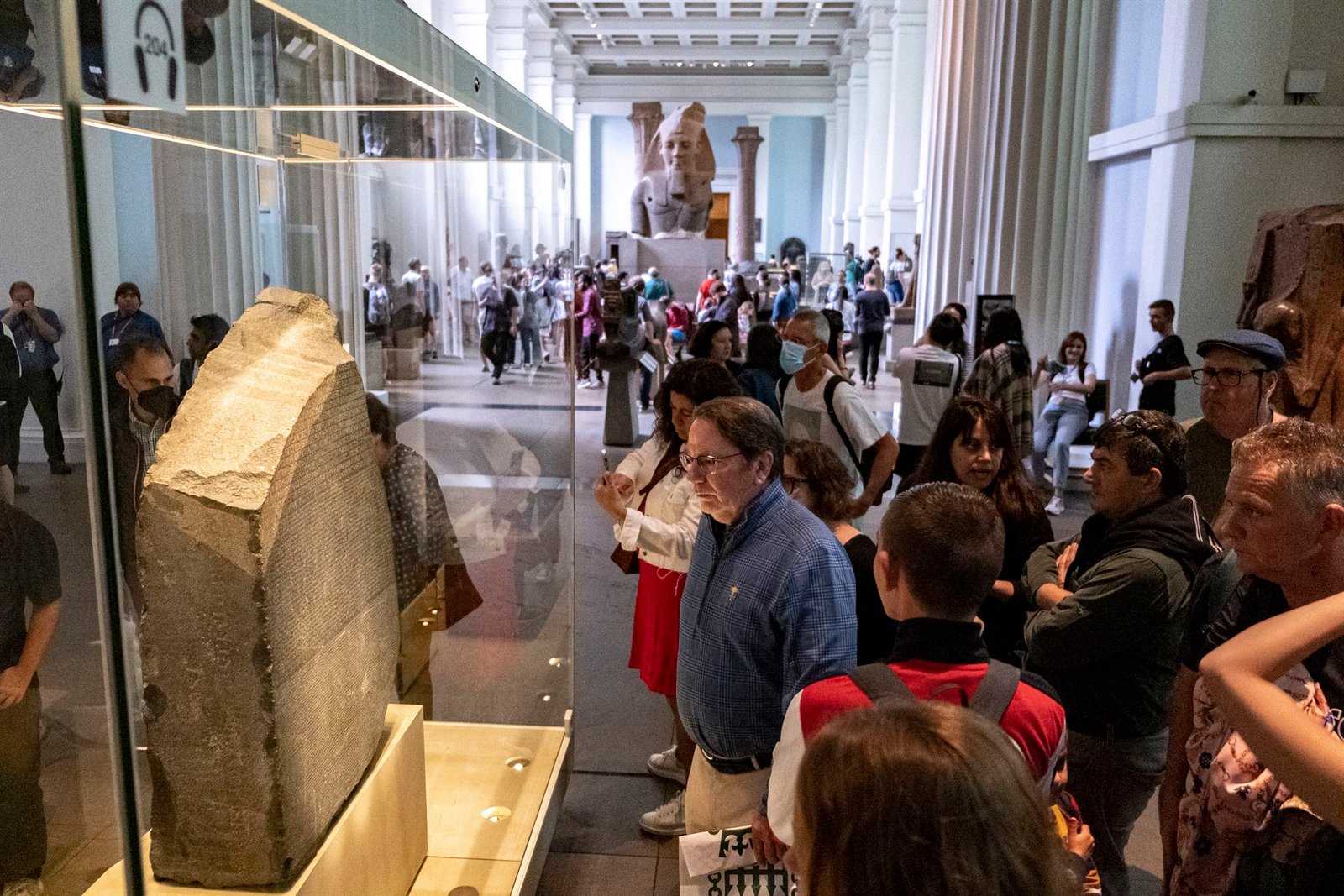

British lawmakers, non-governmental organizations (NGOs), and researchers are calling on the government to address a legal gap that allows museums and institutions to retain and exhibit African ancestral remains taken during the colonial era.
Colonial-Era Remains and Calls for Repatriation
For centuries, mummified bodies, skulls, and other human remains from Africa were taken to Britain and other former colonial powers—often as “trophies” or trade items.
There is increasing global pressure to return these remains, along with looted artifacts, to their rightful communities and nations. Despite some efforts to confront this issue, many institutions, including museums and universities, still hold ancestral remains.
Legislative Concerns and Policy Recommendations
Connie Bell, from the Decolonising the Archive project, stated at a parliamentary event on reparations that keeping these remains on display continues the dehumanisation of ancestors.
Labour MP Bell Ribeiro-Addy previously raised concerns in Parliament in November 2024, highlighting that colonial-era remains were being sold at auctions, on e-commerce platforms, and social media.
In October 2024, an auction house in Tetsworth, Oxfordshire, withdrew a sale of skulls from West Africa’s Ekoi people after public backlash.
UK Deputy Prime Minister Angela Rayner expressed horror over the issue and agreed to discuss further measures. Ribeiro-Addy confirmed that a meeting with the culture minister is planned.
A cross-party group will present 14 policy recommendations to the government, including banning all sales of ancestral remains, recognizing them as human beings rather than commercial objects.
Amending the Human Tissues Act
The African Foundation for Development (AFFORD) has urged the government to close loopholes in the Human Tissues Act 2004, which governs the handling of human remains but does not apply to those who died over a century ago.
AFFORD’s proposal includes:
- Criminalizing public displays of human remains without consent.
- Establishing a national restitution policy for repatriation.
- Creating a dedicated body to process claims and ensure ethical handling of ancestral remains.
- Mapping collections of human remains to assess the full extent of the issue.
