

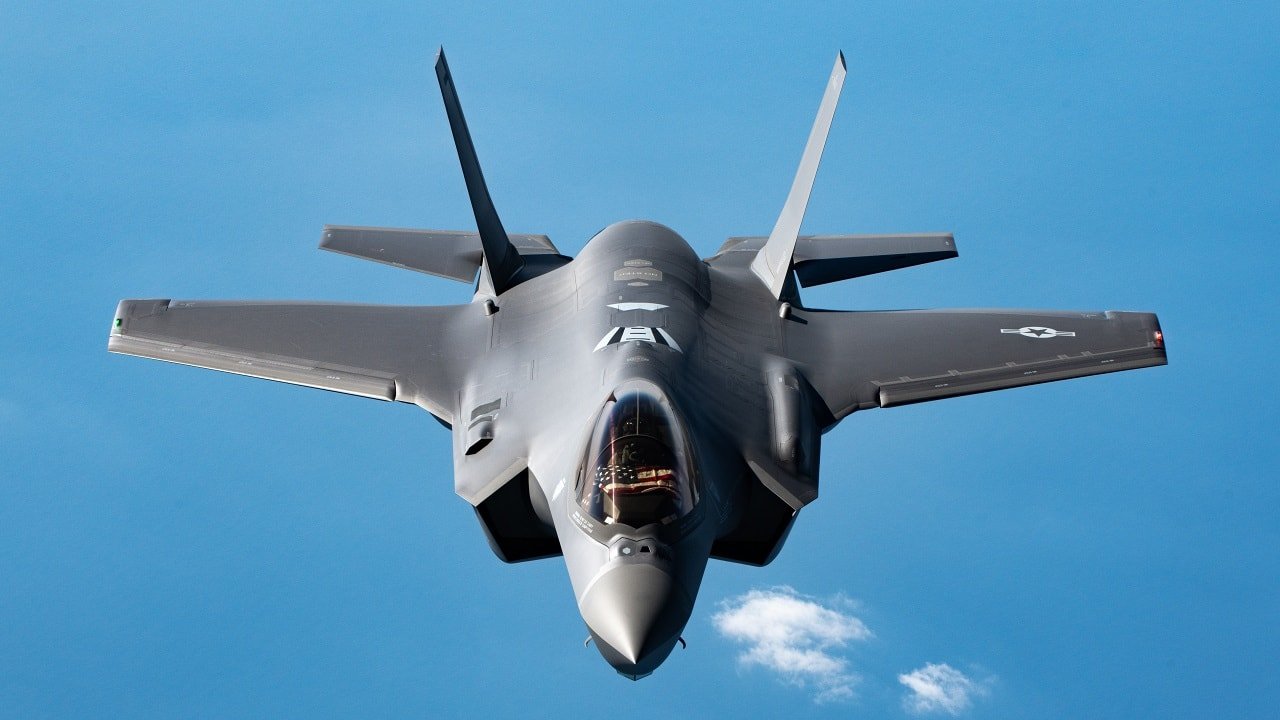

Canada is reconsidering its multibillion-dollar deal to purchase US-made fighter jets, citing concerns over its heavy reliance on the United States for security, Prime Minister Mark Carney said on Monday.
The announcement follows Carney’s decision to review a C$19-billion ($13.29 billion) contract for 88 F-35 fighter jets from Lockheed Martin, amid ongoing trade tensions between Canada and the US.
While Canada’s defense ministry confirmed that the contract remains in place and that funds have been legally committed for the first 16 jets, Carney signaled a serious interest in alternative options.
Seeking Diversification
“It is clear that our security relationship is too focused on the United States. We must diversify,” Carney told reporters during a visit to London, noting that Canada allocates nearly 80% of its defense budget to American-made weaponry.
He emphasized that reviewing alternatives was a matter of both fiscal responsibility and national interest. “Given the need for value for money and the potential for substantial domestic production of alternative aircraft, it’s prudent to explore other options,” he said.
Although Carney did not name specific manufacturers, Sweden’s Saab, which previously competed for the contract, had pledged to assemble its Gripen fighter jets in Canada.
Potential Fallout and Trade Risks
The review comes amid rising trade tensions, with US President Donald Trump imposing tariffs on Canadian goods and even suggesting Canada could become the 51st US state.
Canadian aerospace firms also face potential repercussions. Bombardier CEO Eric Martel expressed concern that Washington might retaliate against the company’s US contracts if Canada cancels the Lockheed Martin deal.
Defense procurement expert Philippe Lagassé from Carleton University warned that purchasing a mixed fleet—starting with 16 F-35s and later adding a different aircraft—could lead to significant cost increases.
US Response and Future Steps
Lockheed Martin reiterated its commitment to Canada but referred procurement questions to the government. The US Defense Department has not yet commented on the situation.
Canada, under pressure from successive US administrations to boost defense spending, has pledged billions more for its military, aiming to move closer to NATO’s spending target by 2030.
