

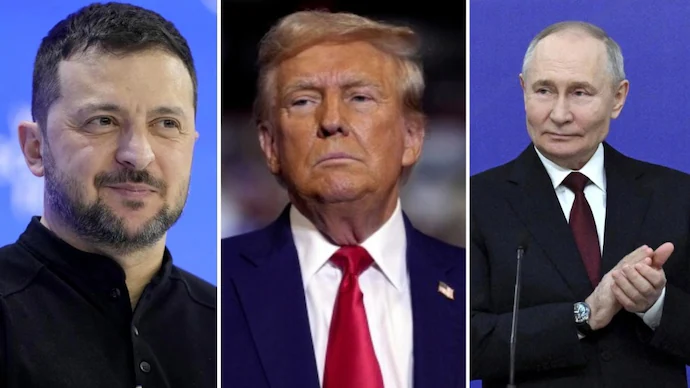

Ukrainian and U.S. delegations convened in Riyadh on Sunday to discuss strategies for safeguarding critical infrastructure and energy facilities. The meeting was part of a broader diplomatic effort led by U.S. President Donald Trump to end the three-year-long war.
The high-level discussions, attended by Ukraine’s Defense Minister Rustem Umerov, were followed by U.S. special envoy Steve Witkoff expressing cautious optimism about a potential ceasefire. “I feel that [Russian President Vladimir] Putin wants peace,” Witkoff told Fox News, adding that Monday’s scheduled U.S.-Russia talks in Saudi Arabia could yield “real progress” in securing a Black Sea ceasefire.
Ukrainian President Volodymyr Zelenskiy, in a televised address, confirmed that his team remained engaged in the negotiations. “The conversation is quite useful, and the work of the delegations is continuing,” he said. However, he emphasized that Moscow held the key to peace. “No matter what we say to our partners today, we need Putin to give a real order to stop the strikes.”
Despite diplomatic efforts, the war showed no signs of slowing. A large-scale Russian drone assault on Kyiv overnight killed at least three people, including a five-year-old child, while Ukrainian officials reported extensive damage across the capital. Meanwhile, Russian authorities claimed to have intercepted 59 Ukrainian drones targeting southwestern regions, with one person killed in Rostov.
Ceasefire Hopes and Skepticism
The negotiations in Riyadh follow reports that Putin tentatively agreed to Trump’s proposal for a 30-day ceasefire focused on halting attacks on energy infrastructure. However, the fragile truce remains uncertain, with both Kyiv and Moscow accusing each other of ongoing strikes.
Trump, speaking on Saturday, claimed de-escalation efforts were “somewhat under control,” with his administration aiming for a broader ceasefire agreement by April 20.
White House National Security Adviser Mike Waltz outlined a phased approach to negotiations. “Once a Black Sea ceasefire is agreed, we’ll talk the line of control, which is the actual front lines,” he said, referencing potential discussions on verification mechanisms and peacekeeping measures.
Trump’s direct outreach to Putin—including at least two publicly acknowledged phone calls—has raised concerns among European allies. Leaders from Britain and France worry Washington may be shifting its stance toward Moscow and have called for increased military support to Ukraine to counterbalance any concessions made in U.S.-led peace talks.
However, Witkoff downplayed fears that a peace deal could embolden Putin’s ambitions. “I just don’t see that he wants to take all of Europe. This is a much different situation than World War Two,” he said.
