


Nuclear Deal
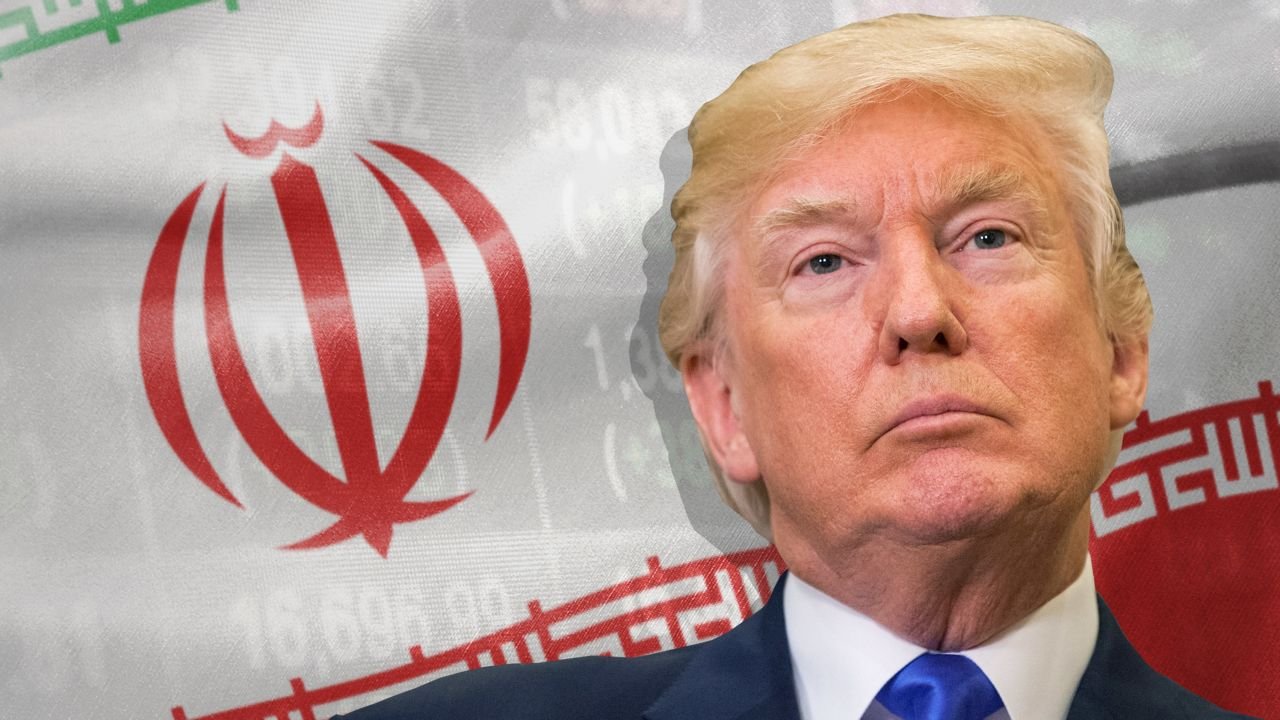
WASHINGTON: Former U.S. President Donald Trump issued a stern warning to Iran on Sunday, threatening military action and secondary economic sanctions if Tehran failed to reach a new nuclear agreement with Washington. His remarks come amid heightened tensions over Iran’s nuclear program and ongoing diplomatic efforts to revive a deal.
During a telephone interview with NBC News, Trump confirmed that discussions between U.S. and Iranian officials were taking place, though he did not provide specific details about their nature or progress.
He made it clear that the stakes were high, stating, “If they don’t make a deal, there will be bombing.” Additionally, he suggested the possibility of reintroducing secondary sanctions, similar to those imposed during his previous administration, as an alternative measure.
Trump’s remarks mark a continuation of his hardline approach toward Iran, which was a hallmark of his first term in office from 2017 to 2021. In 2018, he unilaterally withdrew the United States from the Joint Comprehensive Plan of Action (JCPOA), commonly known as the Iran nuclear deal, which had been signed in 2015 between Iran and major world powers.
The agreement placed strict restrictions on Tehran’s nuclear activities in exchange for economic relief from sanctions. Following the withdrawal, Trump reinstated severe economic sanctions, crippling Iran’s economy and further straining diplomatic relations.
Since then, Iran has significantly ramped up its uranium enrichment activities, surpassing the JCPOA’s stipulated limits. This has fueled international concerns that Tehran may be working toward developing nuclear weapons—an accusation Iran has consistently denied.
Western powers argue that Iran’s enrichment levels exceed what is necessary for a civilian nuclear energy program, suggesting a covert military agenda. However, Iranian officials maintain that their nuclear activities are solely for peaceful energy production and medical research.
Despite Trump’s ultimatum, Iran has so far resisted pressure to return to the negotiating table on Washington’s terms. According to Iranian Foreign Minister Abbas Araqchi, Tehran responded to Trump’s latest demands via Oman, a key diplomatic intermediary in regional negotiations.
Iran’s official news agency, IRNA, reported that Araqchi reiterated Iran’s position, signaling that Tehran was not willing to accept the U.S. conditions without significant concessions.
With tensions escalating, the prospect of a military confrontation looms large, adding to uncertainty in an already volatile region. While diplomatic efforts continue, Trump’s latest statements suggest that he remains committed to using both economic and military pressure to force Iran into compliance with U.S. demands.
The coming weeks will likely determine whether diplomacy prevails or whether the situation further escalates into open conflict.
