


Emergency Talks
Bangladesh’s interim leader, Chief Adviser Professor Muhammad Yunus, convened an emergency meeting on Saturday following a significant blow to the nation’s textile industry after the United States imposed new tariffs.
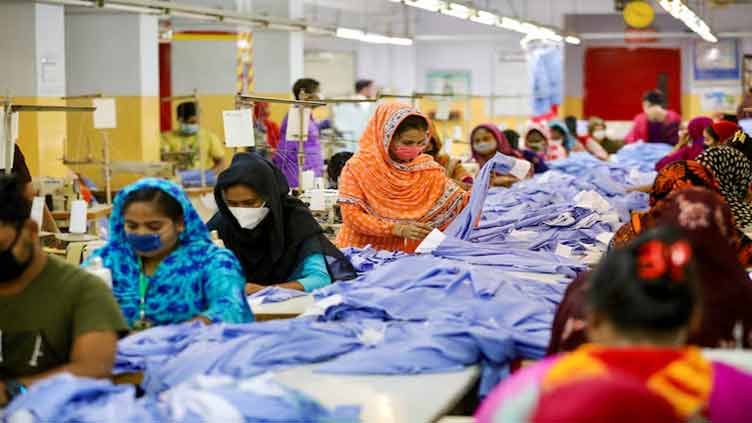
The textile and garment sector, which is crucial to the South Asian country, accounts for approximately 80% of Bangladesh’s exports, making the recent tariff hike a serious concern.
The garment industry has already faced difficulties after a political upheaval last year, but this new tariff increase adds to the challenges.
On Wednesday, US President Donald Trump introduced punitive tariffs of 37% on Bangladesh’s textile exports, marking a sharp rise from the previous 16% on cotton-based products and 32% on polyester products.
This decision has had immediate ramifications for Bangladesh, which exports $8.4 billion worth of garments annually to the United States, representing around 20% of the country’s total ready-made garment exports.
Following the announcement, Yunus called for urgent discussions, with the government preparing to address the implications of the tariffs.
A statement released by the government confirmed that key government officials, experts, and advisers would meet late on Saturday in Dhaka to evaluate the situation.
The National Board of Revenue, Bangladesh’s tax authority, is also expected to review the economic fallout and the broader impact on trade.
Rakibul Alam Chowdhury, the chairman of RDM Group, a leading textile manufacturer, expressed concern that the new tariffs would push buyers to seek more cost-competitive markets, potentially leading to significant losses for the Bangladeshi garment industry.
Several factories in the country primarily produce clothing for the US market, and the tariff hike could severely affect their operations.
Anwar Hossain, the administrator of the Bangladesh Garment Manufacturers and Exporters Association (BGMEA), echoed these concerns, stating that the industry was “not ready” for the blow delivered by the new tariffs.
As the second-largest garment producer in the world after China, Bangladesh manufactures clothes for global brands like Gap, Tommy Hilfiger, and Levi Strauss, which rely heavily on its competitive pricing and supply chain.
The unexpected tariff increase has left the country scrambling to mitigate its effects and secure the future of this vital industry.
