

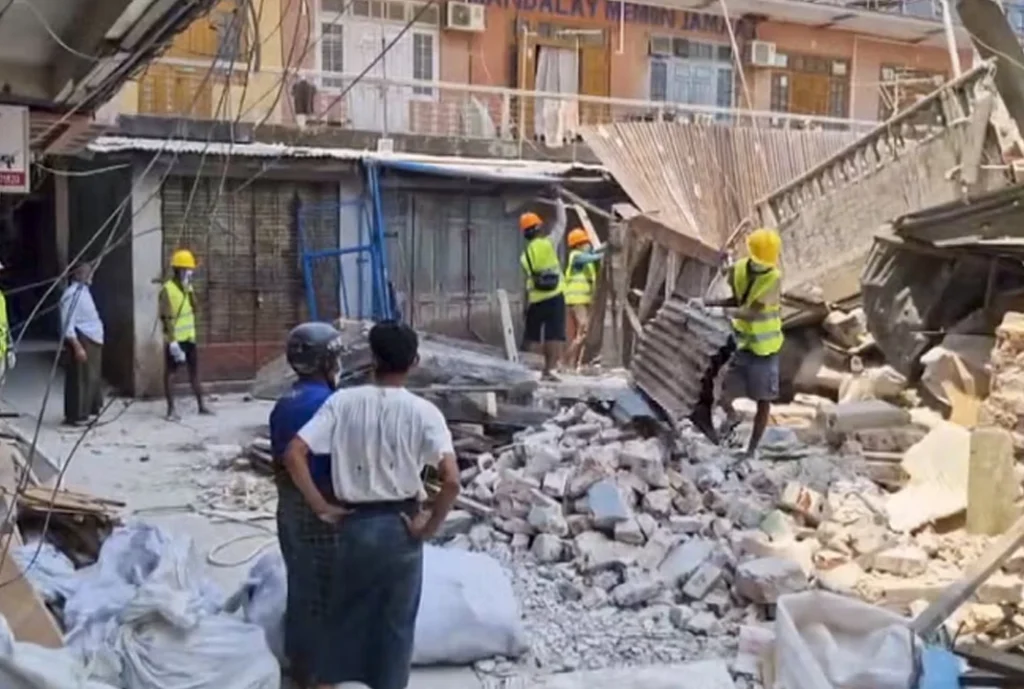

Heavy rainfall over the weekend has compounded relief efforts in Myanmar’s earthquake-stricken regions, raising concerns about the spread of disease and increasing the urgency for shelter and medical support. The powerful earthquake, which struck on March 28, has now claimed 3,471 lives, left 4,671 injured, and 214 people are still reported missing, according to official sources.
Humanitarian agencies have raised alarms over the growing risk of disease outbreaks—such as cholera—due to the combination of intense heat and unseasonal rain. Many survivors are still camping in the open without proper shelter, making them vulnerable to health hazards.
“Families are sleeping outside the rubble of their homes while rescue teams continue to recover bodies,” said a visiting United Nations humanitarian representative. “We urgently need to provide tents and hope to those trying to rebuild their lives.”
The international community, including neighboring countries like China, India, and several Southeast Asian nations, has sent rescue teams and relief supplies to assist the affected population of nearly 28 million. The United States has pledged at least $9 million in humanitarian assistance, although its response capacity has been impacted by recent cuts to its foreign aid infrastructure. Some members of the U.S. disaster response team in Myanmar were informed they would be let go, casting a shadow over their ongoing efforts.
Meanwhile, Thailand has confirmed 24 deaths linked to the quake, with 17 fatalities occurring when a skyscraper under construction collapsed in Bangkok. An additional 77 individuals are still missing in the country.
Myanmar continues to face deeper challenges beyond the natural disaster. Since the 2021 military coup that ousted the elected government, the country has been mired in civil conflict, leading to the displacement of over 3 million people and leaving more than one-third of the population in need of humanitarian aid. Basic services such as healthcare have been severely disrupted.
Although a ceasefire was announced last Wednesday, reports suggest that the military is obstructing aid delivery to areas not aligned with its authority. The UN’s human rights office is also investigating allegations of attacks carried out by the junta even after the ceasefire declaration.
A relief organization reported that military airstrikes continued in Karenni and Shan states last Thursday and Friday, resulting in at least five civilian deaths. According to the group’s founder, there have been at least seven such assaults since the ceasefire announcement.
