

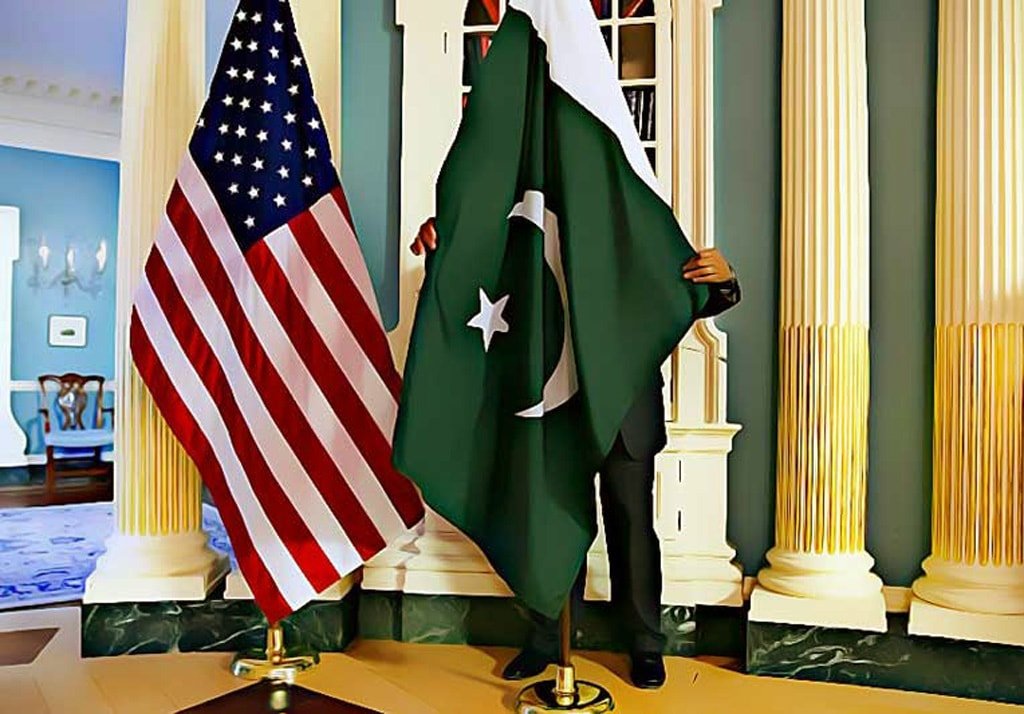

In response to the United States’ decision to impose a 29% tariff on Pakistani exports, the government of Pakistan has taken steps to formulate a robust counter-strategy by actively engaging the private sector in decision-making processes.
On Monday, Commerce Minister Jam Kamal Khan led a high-level meeting at the Ministry of Commerce, where prominent representatives from major export industries — including textiles, rice, food products, leather, and surgical goods — gathered to discuss the implications of the tariff and develop a strategic plan. Over 50 stakeholders from the business community participated.
The discussions focused on evaluating the possible adverse effects of the new tariffs and outlining policy measures to safeguard national trade interests.
Engagement with the U.S. Government
The Pakistani government plans to formally raise the issue with the U.S. administration, under President Donald Trump, in an effort to seek revision or reduction of the tariffs. Officials believe Pakistan holds a relatively advantageous position compared to other affected countries, which may offer leverage during negotiations.
“The government is fully committed to addressing this challenge head-on,” said Commerce Minister Jam Kamal. “We will ensure that both public and private sector perspectives are incorporated before finalizing any policy decisions.”
Inclusive Approach and Future Coordination
One of the key outcomes of the meeting was the consensus on involving private stakeholders in policy formulation. Participants agreed that any official strategy should reflect the concerns and inputs of traders, exporters, and business leaders.
The issue will be further reviewed by the prime minister’s working group and steering committee on economic affairs. Prime Minister Shehbaz Sharif is expected to receive a detailed briefing on the proposed response plan soon.
Exploring Alternatives and Global Engagement
Several proposals were reviewed during the session, such as boosting trade diplomacy, exploring new markets, and utilizing global trade forums to build pressure against the tariff hike. Continued consultations are scheduled in the coming weeks to finalize a cohesive national response.
Exporters, particularly in the textile and leather sectors, expressed concern that the new tariffs could significantly affect already vulnerable trade volumes. However, they welcomed the government’s proactive stance and emphasized the need for ongoing public-private dialogue.
Bilateral Dialogue: Dar and Rubio
Meanwhile, Deputy Prime Minister and Foreign Minister Ishaq Dar spoke with U.S. Secretary of State Marco Rubio to discuss bilateral and regional matters, including trade, investment, and security cooperation.
Both leaders reaffirmed their commitment to strengthening U.S.–Pakistan relations, with a particular focus on boosting economic ties. Dar emphasized Pakistan’s interest in expanding partnerships with the U.S. in trade, investment, and counter-terrorism. In response, Rubio highlighted America’s intention to invest more in Pakistan, particularly in the minerals and trade sectors.
They also touched upon regional security dynamics, especially developments in Afghanistan, and the unresolved status of U.S. military equipment left behind. Dar reiterated Pakistan’s ongoing counter-terrorism efforts, which Rubio acknowledged and praised.
The call concluded with both officials agreeing to maintain close communication and pursue shared strategic goals.
