

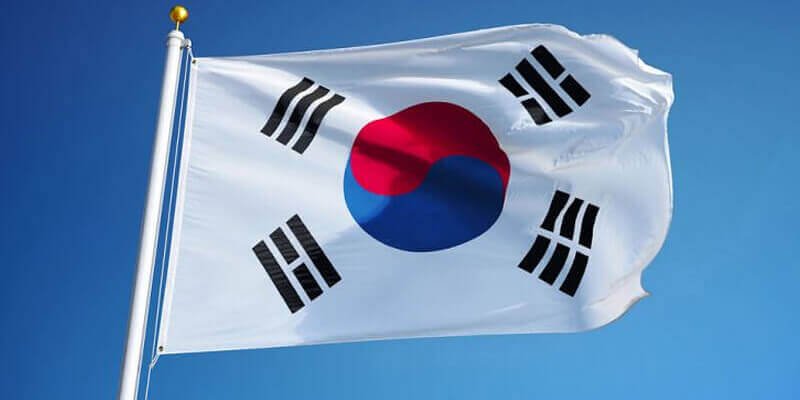

South Korea will hold a snap presidential election on June 3 following the impeachment and removal of President Yoon Suk Yeol, officials announced Tuesday. The decision comes amid heightened political uncertainty and economic strain, as the country faces rising U.S. tariffs and a slowdown in Asia’s fourth-largest economy.
The power vacuum at the top of government has disrupted Seoul’s efforts to engage with the U.S. administration of President Donald Trump, particularly on trade matters.
Yoon was ousted last Friday by the Constitutional Court over his controversial declaration of martial law in December, a move that shocked the nation and threw its leadership into crisis. Under South Korean law, a new presidential election must be held within 60 days when the presidency becomes vacant.
Acting President Han Duck-soo confirmed the election date during a cabinet meeting, saying it would allow political parties adequate time to prepare.
As the race officially begins, several key figures are already stepping forward. Labour Minister Kim Moon-soo resigned Tuesday and declared his candidacy, saying he felt compelled by a “sense of responsibility” to help lead the nation through what he called a “severe national crisis.”
Kim, who is currently unaffiliated but aligned with Yoon’s conservative People Power Party (PPP), has consistently polled better than other right-wing hopefuls.
“We must come together as a nation to overcome this hardship,” Kim said, citing economic hardship and political instability.
PPP lawmaker Ahn Cheol-soo also threw his hat into the ring, positioning himself as a reformist and touting his clean track record. Ahn, who has run in the last three presidential elections, vowed to focus on innovation and economic renewal — including investments in artificial intelligence — to counteract Trump’s aggressive trade stance.
Ahn made headlines as the first PPP member to support Yoon’s impeachment and hopes to channel public frustration into support at the ballot box, though recent polls show him struggling to gain traction.
The conservative field remains fragmented, with multiple contenders vying to rehabilitate the party’s image following its second presidential impeachment in less than a decade. Park Geun-hye, another conservative president, was impeached and jailed in 2017 over a major corruption scandal.
On the liberal side, Lee Jae-myung of the Democratic Party is widely seen as the front-runner. Despite ongoing legal battles — including charges of election law violations and bribery — Lee is expected to soon announce his candidacy. He narrowly lost to Yoon in the 2022 presidential race.
According to a Gallup Korea poll released Friday, Lee leads with 34% support among respondents, followed by Kim Moon-soo with 9%, former PPP leader Han Dong-hoon at 5%, Daegu Mayor Hong Joon-pyo at 4%, and Seoul Mayor Oh Se-hoon at 2%.
As the nation heads into an unpredictable election season, the outcome is expected to reshape South Korea’s domestic priorities and its strategic positioning on the global stage.
