


Letter
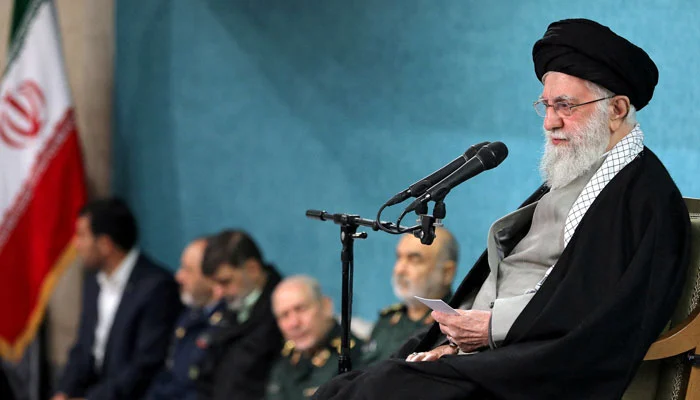
MOSCOW: Iranian Supreme Leader Ayatollah Ali Khamenei has sent a letter to Russian President Vladimir Putin, delivered by Foreign Minister Abbas Araqchi, amid renewed nuclear negotiations with the United States.
The visit to Moscow on Thursday underscores Tehran’s efforts to bolster regional alliances and ensure diplomatic support as talks with Washington intensify.
The letter reportedly covers a range of bilateral and regional issues, including the ongoing nuclear discussions that have drawn global attention.
Araqchi’s visit follows a recent round of indirect negotiations between Iran and the United States held in Oman, which both sides described as “positive and constructive.” A second round of these talks is expected to take place in Rome over the weekend.
The urgency of the diplomatic outreach comes in the wake of repeated threats by U.S. President Donald Trump, who has warned of military action against Iran and economic penalties for nations buying Iranian oil, should Tehran refuse to compromise on its nuclear program.
The United States has also ramped up its military presence in the region by deploying additional warplanes, raising tensions further.
Araqchi, speaking to Iranian state television, emphasized that Iran maintains close and consistent consultation with key allies—particularly China and Russia—on the nuclear issue. He reaffirmed that Iran’s right to enrich uranium remains non-negotiable, a stance that has long been a sticking point in international talks.
Russia has historically been a close ally of Iran, particularly on matters of nuclear diplomacy. As a permanent member of the U.N. Security Council and a signatory to the 2015 nuclear deal—formally known as the Joint Comprehensive Plan of Action (JCPOA)—Russia plays a vital role in influencing the direction of current talks.
The original deal was unilaterally abandoned by the Trump administration in 2018, sparking renewed tensions between Iran and the West.
Despite Moscow’s military cooperation with Iran—including arms purchases for the Ukraine conflict and a 20-year strategic agreement signed earlier this year—Russia has also signaled caution.
While maintaining cordial ties with Khamenei and affirming that any attack on Iran would be “illegal and unacceptable,” the Kremlin has not confirmed whether it would be willing to assume custody of Iran’s enriched uranium stockpiles as part of a new agreement.
Both Iran and Russia have found common ground in resisting Western pressure, particularly from the United States. However, with the specter of a nuclear arms race looming over the Middle East, Moscow appears to be balancing its alliance with Tehran against broader concerns about regional stability and non-proliferation.
