

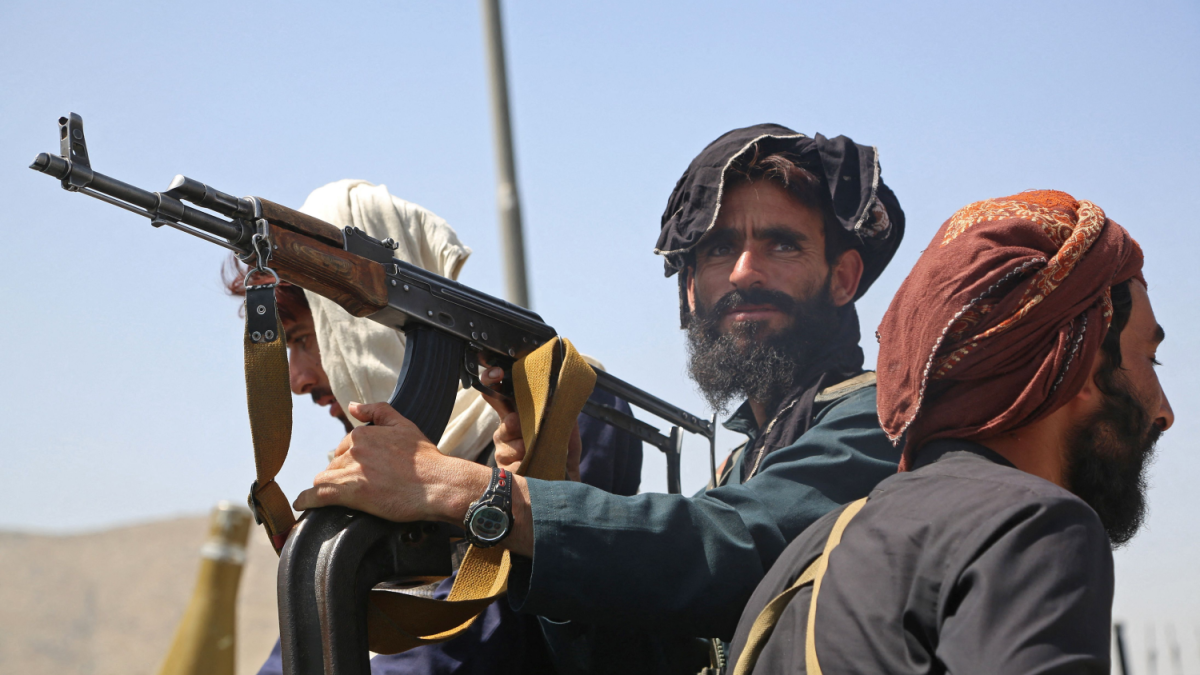

Kabul/London: A BBC investigation has revealed that approximately half a million weapons seized by the Taliban after their takeover of Afghanistan in 2021 are now missing—allegedly lost, sold, or smuggled to militant groups, raising serious international security concerns.
Based on anonymous sources and United Nations insights, the report suggests that many of these weapons may have reached extremist groups linked to Al-Qaeda, such as Tehreek-e-Taliban Pakistan (TTP), the Islamic Movement of Uzbekistan (IMU), East Turkestan Islamic Movement (ETIM), and Yemen’s Ansarullah.
After the Taliban regained control of Afghanistan in August 2021, they captured nearly one million U.S.-supplied weapons and military assets abandoned by Afghan forces and departing U.S. troops. These included M4 and M16 rifles, armored vehicles, and decades-old hardware.
In a closed-door UN Security Council sanctions meeting in Doha in late 2023, the Taliban reportedly acknowledged that at least 50% of these weapons are now unaccounted for. Independent verification later confirmed this claim.
A February 2024 UN report also stated that some Taliban commanders had been allowed to retain 20% of captured arms, which are often used to curry favor or maintain influence through black market sales or gifts to allied fighters. It noted: “Gifting of weapons is widely practiced… The black market remains a rich source of weaponry for the Taliban.”
Despite these findings, Taliban deputy spokesperson Hamdullah Fitrat rejected the allegations, claiming all weapons are securely stored. “We strongly reject claims of smuggling or loss,” he said.
However, reports from Kandahar suggest otherwise. According to a former journalist, an underground weapons trade continues via encrypted messaging apps like WhatsApp, where Taliban-linked individuals and wealthy buyers traffic in U.S.-origin equipment.
The U.S. Special Inspector General for Afghanistan Reconstruction (SIGAR) confirmed long-standing issues in tracking military assets, citing poor record-keeping and fragmented oversight across U.S. departments. SIGAR also criticized the State Department and Department of Defense for providing incomplete or delayed information regarding the equipment left behind.
Former U.S. President Donald Trump has repeatedly criticized the loss of military equipment, claiming $85 billion was left behind—though that figure includes training and salaries, not just hardware. “Afghanistan is one of the biggest sellers of military equipment now… we want our military equipment back,” he said.
Taliban spokesperson Zabihullah Mujahid responded on Afghan television, stating the weapons would be used for national defense. “We seized these weapons from the previous administration and will use them to defend the country and counter any threats,” he said.
While advanced U.S. hardware such as Black Hawk helicopters remains largely unusable due to a lack of technical expertise, the Taliban continues to display captured vehicles and arms—especially at former NATO facilities like Bagram—as symbols of victory. Hundreds of military vehicles and aircraft reportedly remain in storage across provinces like Kandahar.
John Sopko, former head of SIGAR, said any attempt to recover the weapons would be impractical and costlier than the equipment’s current value.
Security experts now warn that the proliferation of these weapons could pose a long-term threat to regional stability across South and Central Asia, as militant groups gain access to high-grade military hardware once controlled by the U.S. and its allies.
