

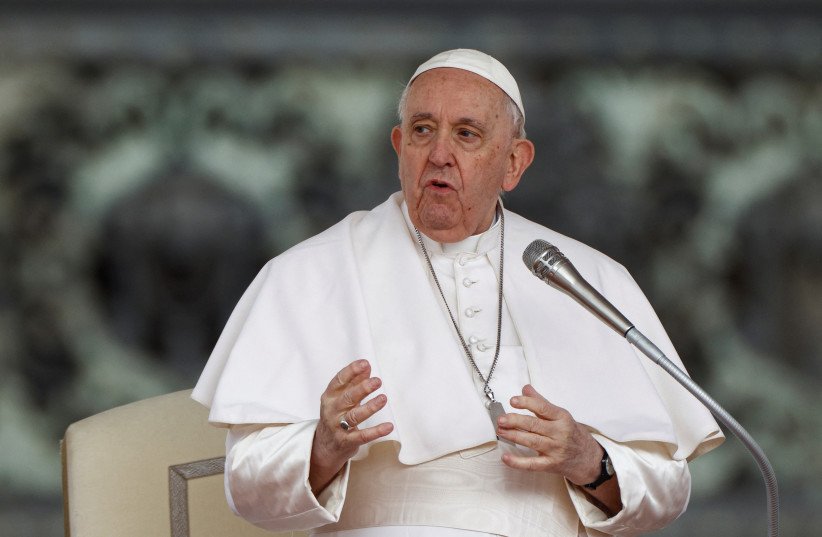

VATICAN CITY: The funeral of Pope Francis, who passed away on Monday at the age of 88, will be held this Saturday in St. Peter’s Square, the Vatican confirmed. The solemn ceremony is expected to draw dignitaries and religious leaders from around the world as the Catholic Church enters a period of mourning and prepares to choose a new spiritual leader.
Pope Francis, the first pontiff from Latin America, died following a sudden stroke and cardiac arrest. The news came as a shock, despite a recent hospitalisation for double pneumonia earlier this year. Just weeks ago, he had returned to the Vatican and made a public appearance on Easter Sunday, raising hopes of recovery.
Beginning Wednesday, the late pope’s body will lie in state in St. Peter’s Basilica. A solemn procession led by cardinals will escort his remains from the Santa Marta residence — the humble Vatican guesthouse he chose over the Apostolic Palace when elected in 2013. Vatican-released images show the pope resting in a simple wooden coffin, dressed in ceremonial vestments, with Swiss Guards standing vigil.
The funeral Mass will begin at 10:00 a.m. (0800 GMT) on Saturday and will be held in St. Peter’s Square, just outside the Basilica. The Vatican is preparing for a dignified farewell to the spiritual leader who guided the 1.4 billion-member Catholic Church for 12 years, during a transformative and often turbulent era.
World leaders expected to attend include former U.S. President Donald Trump — whose immigration policies drew criticism from Francis — as well as Argentine President Javier Milei, Brazil’s Luiz Inácio Lula da Silva, and Ukrainian President Volodymyr Zelenskiy.
With the pope’s passing, Vatican protocols have been set in motion, including the traditional destruction of the “Fisherman’s Ring” and the papal lead seal, symbolizing the end of his authority. The College of Cardinals has also begun initial meetings to oversee Church operations during the sede vacante (vacant seat) and to prepare for the upcoming conclave.
The conclave to elect the next pope is expected to begin between May 6 and May 11, giving cardinals time to grieve and organize. Some 135 cardinals under the age of 80 are eligible to vote in the secretive election held in the Sistine Chapel, where the sight of black or white smoke will signal a failed or successful vote.
There is no clear frontrunner, but with nearly 80% of voting cardinals appointed by Francis, many believe his successor may carry forward his progressive vision — though Vatican politics often defy prediction.
Pope Francis’ legacy is both profound and polarizing. He championed reform of the Vatican bureaucracy, tackled financial corruption, and took on the global sexual abuse crisis. His inclusive tone, especially toward LGBTQ Catholics and the poor, marked a significant shift from his predecessors and earned both praise and criticism from different corners of the Church.
As the world prepares to bid farewell, the coming days will be pivotal. Cardinals will gather for General Congregations to assess the state of the Church and deliberate on the kind of leadership needed in the years ahead.
In the meantime, clergy and Vatican staff continue to pay their respects at Santa Marta, the residence that symbolized Francis’ humility and break from papal tradition — a fitting final chapter for a pope who sought to redefine the Church from within.
