


Pakistan has strongly denounced India’s reported attempt to unilaterally withdraw from the historic Indus Waters Treaty, branding it as a politically driven and legally baseless move. The country’s political, legal, and civil leadership has pledged a comprehensive and calculated response.
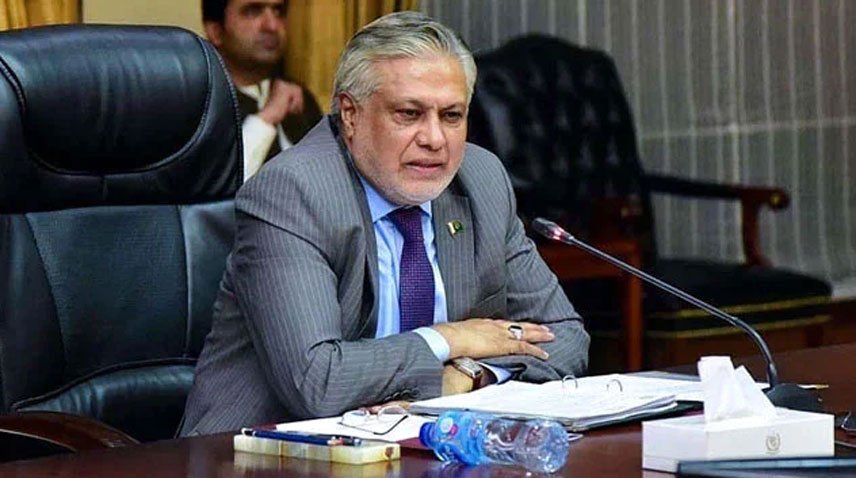
Foreign Minister Ishaq Dar and Federal Minister for Water Resources Mian Moin Wattoo criticized New Delhi’s post-Pahalgam incident behavior as “irresponsible” and “immature,” arguing that India’s actions are aimed at deflecting attention from its internal issues. They emphasized that India cannot exit the treaty without the involvement of international guarantors, particularly the World Bank.
Rejecting India’s allegations against Pakistan, Dar challenged New Delhi to provide evidence, referring to claims made after the Pahalgam attack in Indian-administered Kashmir. Pakistan maintains the incident was a “false flag operation.” Dar stated that Islamabad will respond to Indian actions in full detail, accusing India of using political stunts to cover its failures.
He noted that international observers have supported Pakistan’s position and highlighted India’s role in worsening regional tensions. Dar also commended the responsible coverage by Pakistani media.
Firm Response from Defence Ministry
Defence Minister Khawaja Asif reiterated Pakistan’s opposition to India’s attempt to exit the Indus Waters Treaty, noting that the agreement cannot be terminated unilaterally as it involves the World Bank. Ahead of the National Security Committee (NSC) meeting scheduled for Thursday, Asif said India has long sought to abandon the treaty but lacks the authority to do so independently.
He assured that Pakistan will deliver a unified and robust reply. “The treaty carries international legitimacy, and India cannot walk away from it alone. Pakistan will respond decisively,” he said. The government, he added, is preparing a carefully crafted response to India’s move, including the cessation of water sharing under the treaty.
No Compromise Under Pressure
Water Resources Minister Mian Moin Wattoo emphasized that Pakistan will not bow to external pressure and will counter any form of aggression effectively. “International parties are signatories to this treaty, and India cannot act on its own,” he stressed.
Regional Concerns
In Hyderabad, Dr. Qadir Magsi of the Sindh Taraqi Pasand Party warned that India’s move could disproportionately impact Sindh, a province already grappling with water scarcity. He termed the move a “conspiracy” aimed at destabilizing Pakistan and called for immediate government intervention, including bringing the issue before the United Nations.
Magsi urged for a halt to canal projects diverting water from provinces like Sindh, Balochistan, and Khyber Pakhtunkhwa, asserting that India’s timing coincides with growing domestic grievances over water rights, which he believes is a tactic to sow division within Pakistan.
Legal Community Demands Action
The Supreme Court Bar Association issued an unusual political statement, demanding that Indian diplomats be expelled within 48 hours. Calling the Pahalgam incident a textbook “false flag operation,” the association argued that India’s violation of the treaty calls for a firm diplomatic rebuttal to uphold Pakistan’s sovereignty and legal standing.
Background on the Treaty
The Indus Waters Treaty, brokered by the World Bank in 1960, governs water sharing from the Indus River system between Pakistan and India. Despite enduring periods of war and diplomatic tensions, the treaty has remained a cornerstone of regional water security and peace.
NSC Meeting on the Horizon
Prime Minister Shehbaz Sharif will chair a crucial National Security Committee meeting on Thursday. The session will assess regional developments, evaluate Pakistan’s legal position, and discuss the broader consequences of India’s actions for bilateral relations and regional stability.
