

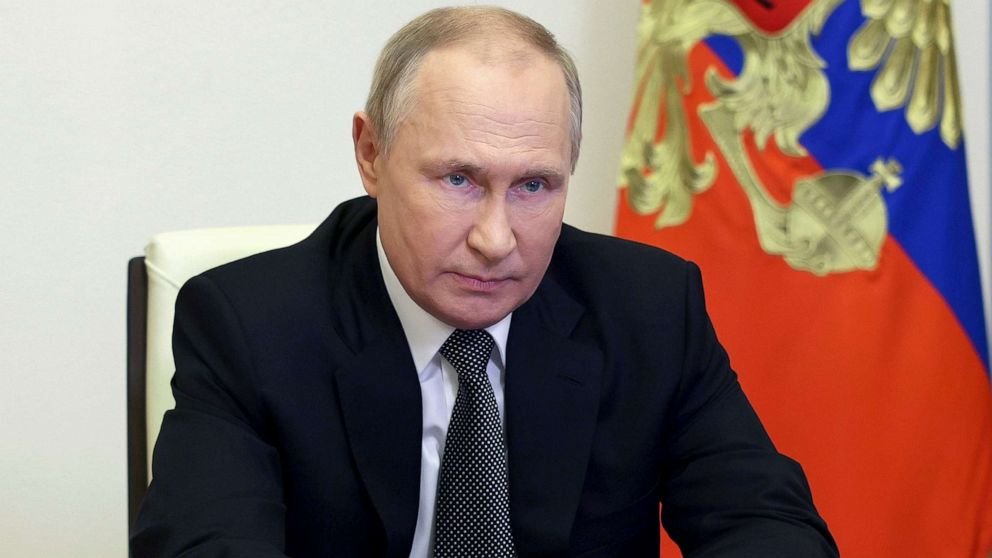

Russian President Vladimir Putin has announced a surprise three-day ceasefire from May 8 to May 10 to coincide with the celebrations marking the anniversary of the end of World War II. Moscow stated that it hoped Kyiv would reciprocate the truce, but warned it would deliver a “strong and effective” response to any breaches.
The Kremlin confirmed that all Russian combat operations would be suspended from midnight on May 7-8 until midnight on May 10-11. A similar Easter ceasefire had previously been proposed but saw frequent violations by both sides, despite a temporary drop in hostilities.
Moscow expressed expectations that Ukraine would issue a similar order. However, Ukrainian authorities have yet to respond to the proposed suspension of fighting.
Last month, Putin rejected a United States proposal for an unconditional 30-day ceasefire, which Ukraine had already accepted. Kyiv and its European allies criticized the brief Easter ceasefire, labeling it a public relations move and questioning Moscow’s commitment to peace.
Since launching its full-scale offensive against Ukraine in February 2022, Russia has occupied substantial parts of four Ukrainian regions, in addition to Crimea, which it annexed in 2014.
Tensions Over Peace Prospects
Putin’s ceasefire order comes at a pivotal moment, as the United States hinted this week could be crucial in determining the viability of future ceasefire negotiations. After a meeting with Ukrainian President Volodymyr Zelensky at Pope Francis’s funeral, Donald Trump questioned Putin’s sincerity in seeking an end to the conflict, noting the continued targeting of Ukrainian cities by Russian missiles.
In recent weeks, Russian strikes have killed numerous civilians in Kryvyi Rih, Sumy, and the capital, Kyiv.
Earlier on Monday, Russia declared its willingness to negotiate directly with Ukraine but insisted that any talks must recognize Moscow’s control over five Ukrainian regions, including Crimea.
Ukraine has firmly rejected these territorial claims, describing them as an illegal land seizure. European leaders have also warned that conceding to Russia’s demands could embolden further acts of aggression.
Russian Foreign Minister Sergei Lavrov reiterated that Moscow remains open to dialogue but blamed Kyiv for the lack of progress. Lavrov emphasized that the “international recognition” of Russia’s sovereignty over Crimea, Sevastopol, Donetsk, Luhansk, Kherson, and Zaporizhzhia remains a non-negotiable demand.
President Zelensky reaffirmed last Friday that Ukraine would never legally recognize any occupied territories and previously dismissed Russia’s demilitarization demands as “incomprehensible.”
Battlefield Updates
Meanwhile, a Russian attack early Monday near Pokrovsk killed three civilians, including a married couple. Over the weekend, Russia also claimed full control over its Kursk region, reportedly with assistance from North Korean troops, reversing Kyiv’s earlier cross-border offensive efforts.
Putin publicly thanked North Korean leader Kim Jong Un for aiding in retaking Kursk, strengthening Moscow’s position ahead of any potential negotiations.
Additionally, Russian forces reported capturing the village of Kamianka in Ukraine’s northeastern Kharkiv region, marking another battlefield gain.
