

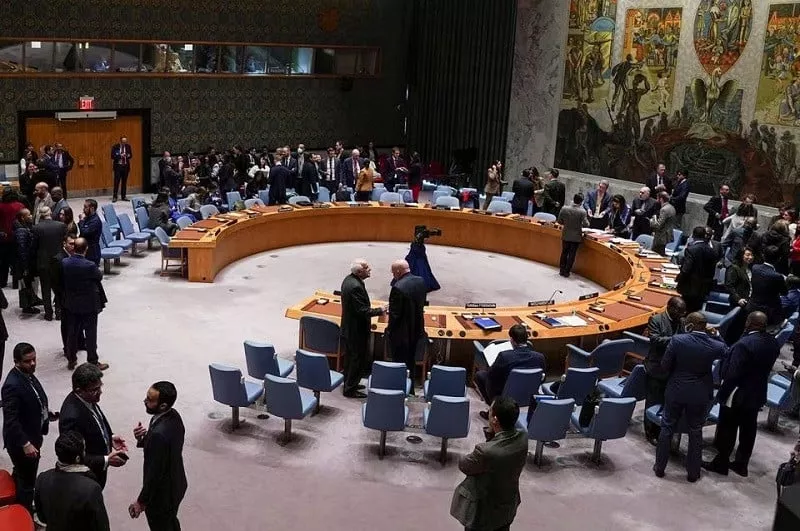

In light of escalating regional tensions, Pakistan has announced its decision to formally brief the United Nations Security Council (UNSC) on India’s recent actions, which it describes as provocative and destabilizing. The move includes highlighting the alleged false flag operation in Pahalgam and what Pakistan sees as illegal attempts to undermine the Indus Waters Treaty.
Deputy Prime Minister and Foreign Minister Ishaq Dar has directed Pakistan’s Permanent Representative to the UN to take swift steps toward convening an urgent UNSC session. The Foreign Office confirmed this initiative is aimed at drawing international attention to what it considers India’s aggressive stance and inflammatory rhetoric.
“Pakistan will apprise the Security Council of India’s actions and statements that pose a serious threat to regional peace and security,” said a spokesperson from the Foreign Office on Sunday.
Concerns Over False Flag Operations and Treaty Breach
The move follows the controversial Pahalgam incident, which Pakistan claims was staged by Indian authorities to justify increased military operations in Indian-administered Jammu and Kashmir. Officials in Islamabad argue that such incidents are designed to divert global scrutiny from persistent human rights violations in the region.
Additionally, Pakistan is raising alarm over India’s reported efforts to unilaterally alter or suspend the Indus Waters Treaty—an internationally backed agreement established in 1960 under the supervision of the World Bank. Islamabad asserts that tampering with the treaty not only breaches international norms but also jeopardizes regional water security and peace.
Part of a Larger Diplomatic Push
The call for a UNSC briefing is part of Pakistan’s broader diplomatic strategy to challenge what it describes as India’s false narrative and present verified facts before the international community.
“This is a critical diplomatic step to expose the true source of instability in South Asia,” the Foreign Office emphasized.
The Pakistani government reiterated its dual approach of military preparedness and diplomatic engagement, underlining its commitment to upholding peace while warning against any violations of international agreements and established laws.
