


LONDON/KARACHI – Pakistan’s recent show of military strength may have caught India off guard, particularly in terms of hardware and technical sophistication, according to British defense analyst Professor Michael Clarke.
Professor Clarke noted that India was likely surprised by the type and effectiveness of Pakistani military assets used during the recent escalation. “The Indians might have been surprised by the hardware that the Pakistanis brought to bear,” Clarke stated, highlighting Pakistan’s integration of Chinese technology into its arsenal.
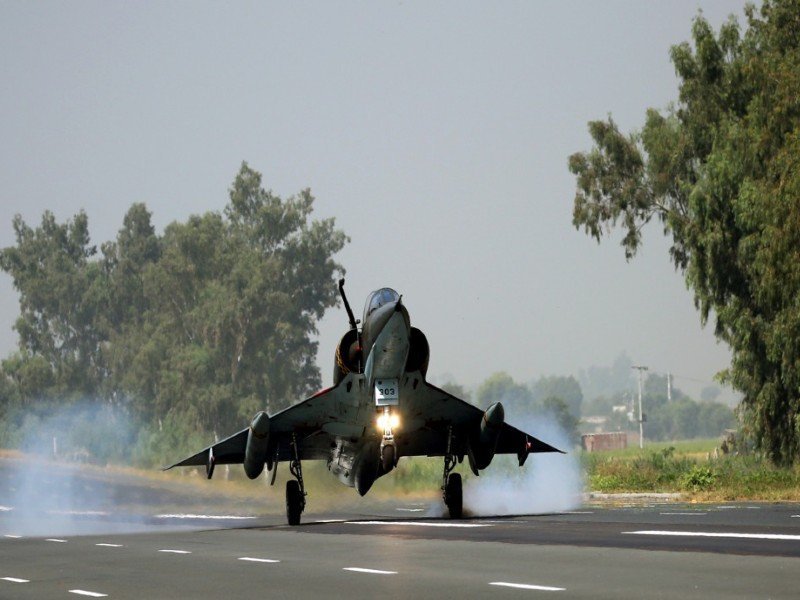
He pointed specifically to the performance of the J-10 fighter jets, which he said have become a focal point of attention. Clarke added that there are indications one of Pakistan’s J-10s may have downed a French-made Indian Rafale fighter jet—an event with major implications for regional air superiority.
“The Pakistanis also seem to have effectively used their HQ-9 anti-aircraft systems,” he noted. “This shows a level of technical capability that might have exceeded Indian expectations.”
The British expert added that while India may not have been surprised by Pakistan Army Chief Gen Asim Munir’s assertive posture, the tactical proficiency displayed during Pakistan’s counter-strikes likely challenged Indian military assumptions.
He also acknowledged that India, in response, has attempted to send a strong signal by deploying a carrier battle group from its Western fleet just 300 miles off Karachi, signaling readiness for broader military engagement.
Clarke, however, cautioned that both nations were brought back from the edge of full-scale war due to intense international diplomatic efforts, particularly from Washington. “The ceasefire agreement came after considerable pressure, especially from the Trump administration and Secretary of State Marco Rubio, who, though late to respond, ultimately played a decisive role,” he said.
US President Donald Trump confirmed on Saturday that India and Pakistan had agreed to a “full and immediate ceasefire” after four days of intense missile, drone, and air attacks. The agreement marked a turning point in what many feared could spiral into a regional war.
Pakistan’s Foreign Minister also confirmed the ceasefire, which took effect at 5pm Indian time (1130 GMT). The agreement followed a week of escalating hostilities that began on May 7, when an unprovoked Indian cross-border attack killed at least 31 civilians in Pakistan.
In retaliation, Pakistan launched a powerful counter-assault, downing five Indian Air Force jets—including three Rafale fighters—and dozens of drones. The Pakistan Air Force, using JF-17 Thunders armed with hypersonic missiles, reportedly destroyed India’s prized $1.5 billion S-400 air defence system at the Adampur airbase—a major strategic loss for India.
The destruction of the S-400, considered India’s most advanced air defence shield, was seen as a key moment in the standoff and underscored Pakistan’s growing precision-strike capability.
As tensions cool, analysts say the conflict has exposed significant shifts in the regional military balance, with Pakistan demonstrating a more sophisticated and integrated use of modern weaponry than previously acknowledged.
