

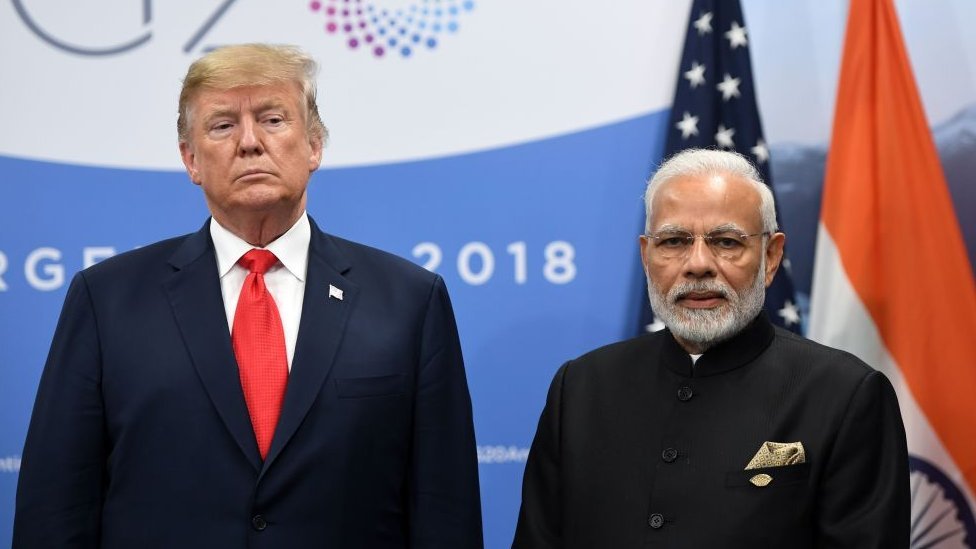

NEW DELHI/ISLAMABAD – As tensions ease between India and Pakistan following a brief but deadly military flare-up, U.S. President Donald Trump’s unsolicited offer to mediate the Kashmir dispute has provoked backlash in India, casting a shadow over New Delhi’s ambitions as a global diplomatic power.
The conflict, which saw missiles, drones, and airstrikes exchanged over several days, left at least 66 dead and brought the nuclear-armed neighbors to the brink of war. The ceasefire, reportedly pushed through with U.S. involvement, now faces scrutiny—particularly Trump’s public suggestion of playing peacemaker.
Trump said Sunday he would “substantially increase trade with both of these great nations” after the ceasefire, while U.S. Secretary of State Marco Rubio hinted at upcoming talks between India and Pakistan at a neutral venue. Pakistan welcomed the mediation offer, but India has refused to acknowledge any third-party role, asserting that the ceasefire was a bilateral decision.
Indian Prime Minister Narendra Modi has yet to publicly comment on the conflict. Analysts suggest his government’s willingness to pause hostilities under U.S. pressure has inadvertently spotlighted the Kashmir issue on the international stage—something India has long sought to avoid.
“India is likely not keen on broader talks. Upholding the ceasefire will be a challenge,” said Michael Kugelman, a South Asia analyst based in Washington.
Criticism from within India has been sharp. “Trump suddenly appeared out of nowhere and pronounced his verdict,” noted Swapan Dasgupta, a former BJP lawmaker. The opposition Congress Party demanded clarification from the government on what it called “ceasefire announcements made from Washington.”
Defence analyst Brahma Chellaney argued that India’s quick de-escalation shifted global focus from Pakistan’s alleged cross-border terrorism to the Kashmir conflict itself.
Meanwhile, Pakistan’s leadership credits U.S. diplomacy for facilitating the ceasefire. Former Foreign Minister Bilawal Bhutto Zardari claimed Islamabad would not have agreed without U.S. assurances of broader dialogue. Former Pakistani National Security Advisor Moeed Yusuf warned that without addressing the root causes, such crises are likely to recur.
Among unresolved issues is India’s recent suspension of the Indus Waters Treaty, a critical water-sharing agreement vital to Pakistan’s agriculture and energy sectors. Diplomatic sources in Islamabad said this would be a top priority in any future negotiations.
As regional tensions simmer, India faces a delicate balancing act—asserting its sovereignty while navigating pressure from international partners, particularly the United States.
