


China has formally signed a convention establishing the International Organisation for Mediation (IOMed), a global body aimed at resolving international disputes, with its headquarters set in Hong Kong. The initiative is intended to elevate Hong Kong’s status as a leading center for global conflict resolution, comparable to institutions such as the International Court of Justice and the Permanent Court of Arbitration in The Hague.
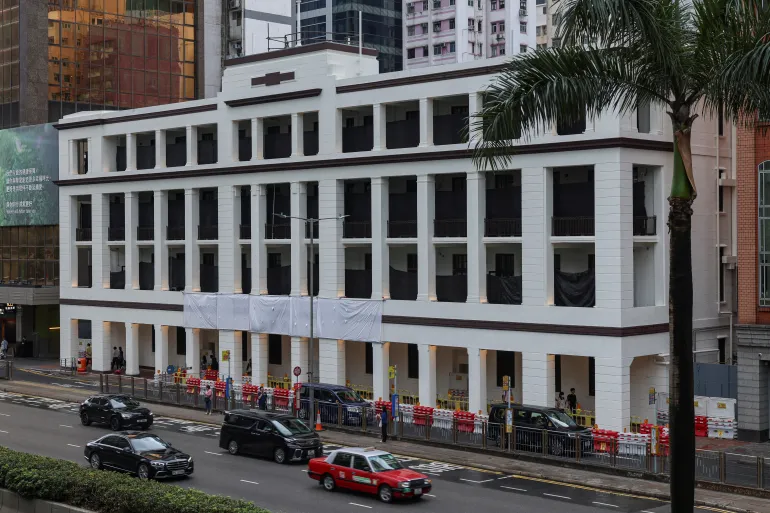
Chinese Foreign Minister Wang Yi presided over the signing ceremony, which featured participation from countries including Indonesia, Pakistan, Cambodia, Laos, and Serbia. Delegates from 20 international organizations, including the United Nations, were also expected to attend. The organization’s headquarters will be housed in a former police station in Hong Kong’s Wan Chai district, with operations set to commence by late 2025 or early 2026.
Hong Kong’s Chief Executive John Lee emphasized that the mediation body will not only enhance the city’s global standing but also generate substantial economic benefits, create jobs, and stimulate sectors such as hospitality and transportation. Justice Secretary Paul Lam noted that the institution will help Hong Kong withstand efforts by external forces to undermine its international relevance.
A video presentation at the ceremony outlined that the mediation center will handle disputes between nations, between states and foreign nationals, and between private international parties. Analysts see this as part of China’s broader strategy to expand its global influence and assert a stronger role in international governance.
The creation of this mediation center occurs amid heightened geopolitical tensions, particularly driven by ongoing trade disputes between China and the United States. These tensions have significantly disrupted global trade and supply chains.
According to a 2025 international arbitration survey by Queen Mary University of London, Hong Kong is tied with Singapore as the second most preferred arbitration seat after London, reinforcing the city’s strategic position in global legal affairs.
