

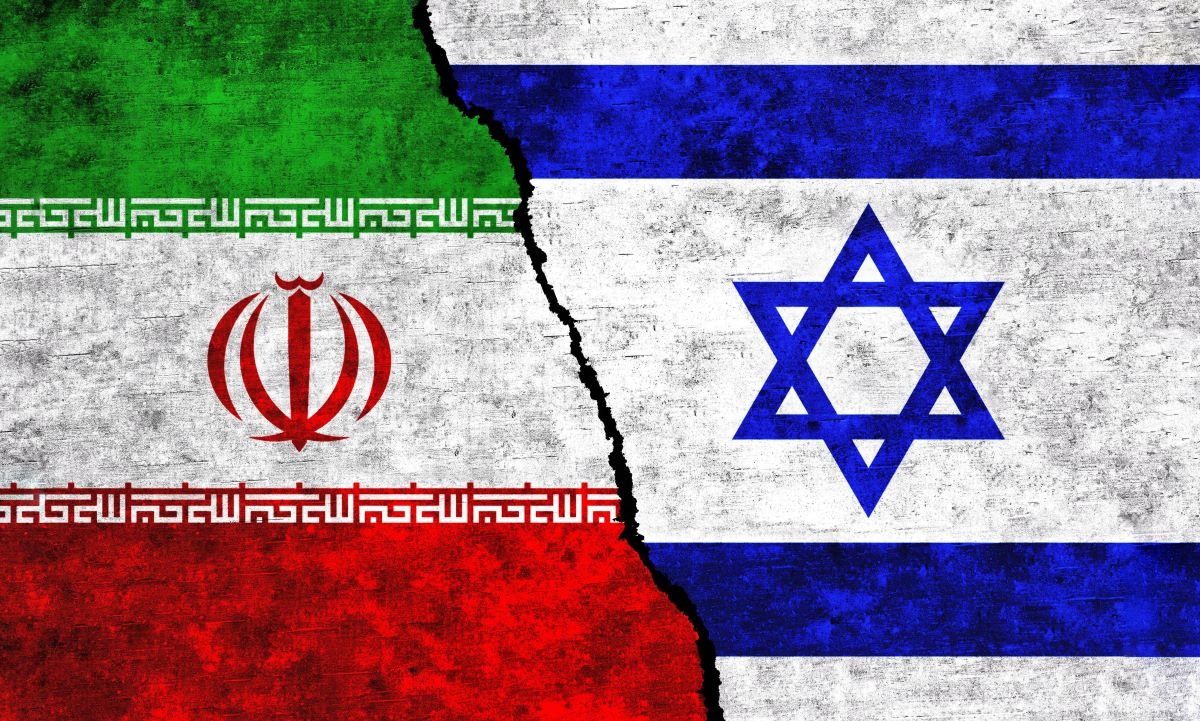

DUBAI – Iranian state media reported on Saturday that Iran’s intelligence services have acquired a substantial cache of sensitive Israeli documents, including materials allegedly linked to Israel’s nuclear program and facilities.
According to the report by state-run TV, the operation to obtain the documents was conducted some time ago, but details were withheld to ensure their secure transfer and storage within Iran. The network, citing unnamed sources, stated that the volume of information is vast—so extensive that reviewing the contents, including images and video footage, has taken considerable time.
“Although the operation occurred earlier, a news blackout was necessary to guarantee the documents’ safe delivery to secure locations. It did not provide specifics on the nature or authenticity of the documents.
There has been no official response from Israeli authorities. It remains unclear whether this announcement is connected to a cyberattack on an Israeli nuclear research center reported in 2023, which some analysts now believe Iran may be referencing amid rising nuclear tensions.
This development comes against the backdrop of renewed international focus on Iran’s nuclear activities. In recent remarks, Iran’s Supreme Leader Ayatollah Ali Khamenei firmly rejected any proposal to abandon uranium enrichment, describing such a move as “100% against” Iran’s national interests—a direct rebuttal to one of Washington’s key demands in ongoing negotiations.
Tehran also announced it would soon present a formal counter-proposal to the United States regarding a potential nuclear agreement. The two sides have held five rounds of talks since April in an effort to revive the 2015 nuclear deal, which the U.S. exited under President Donald Trump in 2018.
Tensions between Iran and Israel remain high. In 2018, then-Israeli Prime Minister Benjamin Netanyahu revealed what he described as a seized archive of Iranian nuclear documents, allegedly proving Tehran had pursued more extensive nuclear weapons research than previously disclosed. In contrast, the current Iranian claim could be seen as a countermove in the shadow war between the two regional rivals.
In a related development, reports surfaced that U.S. President Trump had blocked a planned Israeli military strike on Iranian nuclear facilities, opting instead to pursue diplomatic engagement with Tehran—a strategy that continues to evolve under his successor.
As the nuclear standoff deepens, Iran’s latest claims are likely to fuel further scrutiny and uncertainty over the broader regional security picture.
