

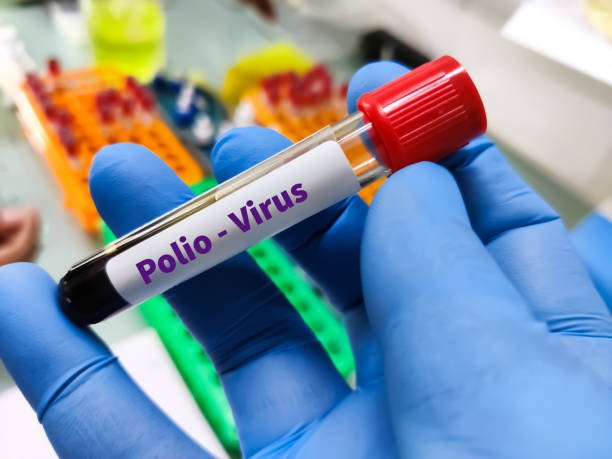

The Pakistan Polio Eradication Programme has confirmed the detection of wild poliovirus type 1 in 47 environmental samples collected from various parts of the country in May 2025.
Out of 116 sewage samples gathered from multiple districts for testing, 69 tested negative, while 47 returned positive results, indicating the continued circulation of the virus in numerous regions.
According to an official statement released on Friday, the poliovirus was found in environmental samples from 34 districts, including:
- Sindh: 14 districts
- Khyber Pakhtunkhwa: 8 districts
- Balochistan: 6 districts
- Punjab: 4 districts
- Islamabad and Gilgit-Baltistan: 1 sample each
“All 47 positive samples were confirmed to contain wild poliovirus type 1,” the statement read. Officials stressed that these findings highlight ongoing transmission, particularly in urban and densely populated areas.
Health authorities expressed serious concern over the virus’s continued presence in the environment, noting that it poses a significant risk to children’s health and safety. They urged parents to ensure their children receive oral polio vaccines during every national or local immunisation campaign.
Experts warned that environmental surveillance—especially in sewage systems—plays a critical role in detecting the virus’s silent spread, even in areas without any reported cases of paralysis. The virus can linger and circulate unnoticed for long periods, especially when vaccination coverage is incomplete.
Pakistan and Afghanistan remain the only two countries in the world where polio remains endemic. The repeated detection of the virus in sewage samples underlines the urgent need for consistent vaccination efforts and strong community participation to prevent further transmission.
