

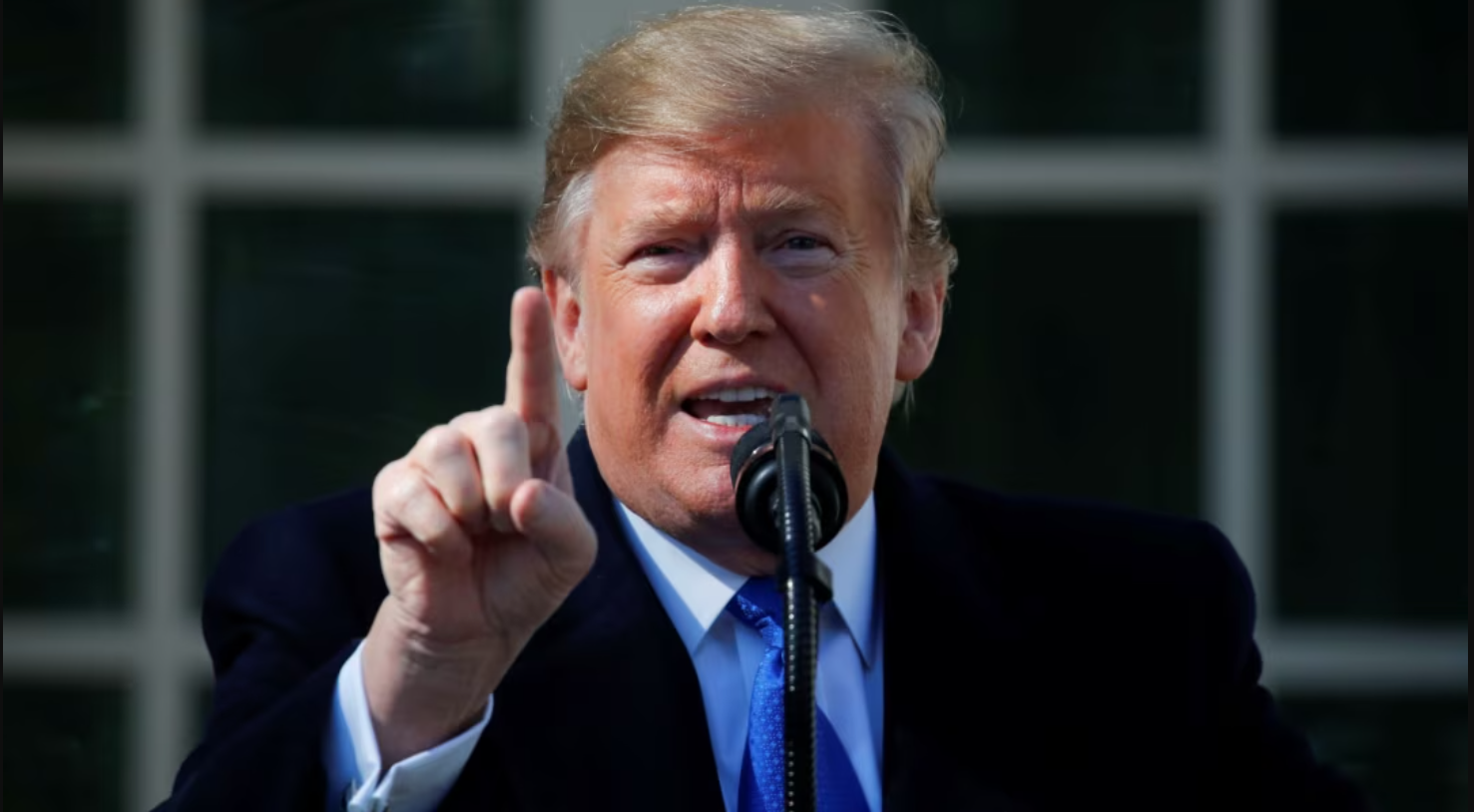

Overnight exchanges between Israel and Iran intensified as U.S. President Donald Trump issued a stern warning to Tehran, declaring that any attack on American targets would trigger a massive military response. The president also expressed optimism that a peace deal between Iran and Israel could be reached to end the ongoing violence.
Speaking on Truth Social, Trump stated, “If we are attacked in any way, shape, or form by Iran, the full strength and might of the U.S. Armed Forces will come down on you at levels never seen before.” He added, however, that a peaceful resolution to the conflict is possible, though he offered no specifics on any potential agreement.
The conflict escalated as Israeli rescue workers searched through rubble in various cities, including Bat Yam near Tel Aviv, where at least 35 individuals were reported missing after a missile strike on a residential building. Authorities confirmed at least seven deaths, including children, and over 140 injuries from multiple attacks across Israel.
The latest Iranian barrage began late Saturday, triggering air raid sirens in cities such as Jerusalem and Haifa. Israeli defence systems intercepted several incoming missiles, but some struck residential areas. Residents were urged to seek shelter, and advisories remained in place for much of the night.
In a significant development, Yemen’s Houthi rebels claimed responsibility for launching ballistic missiles at Jaffa, marking the first known involvement of Iran’s regional allies in the ongoing confrontation.
Iran reported that 78 people were killed in the initial wave of Israeli attacks, including 29 children in a 14-storey residential building in Tehran. On the second day, dozens more casualties were reported. The Iranian government said Israel also targeted the Shahran oil depot and a major oil refinery, sparking fires, though the situation was later declared under control.
Additionally, Israel reportedly struck Iran’s Ministry of Defence building, causing minor damage, according to Iranian news sources.
Amid the conflict, Iran canceled nuclear talks with the United States that were scheduled to take place in Oman. Iranian Foreign Minister Abbas Araqchi stated that such discussions were impossible under the current circumstances, accusing Israel of “barbaric” aggression.
In another key development, an Israeli strike partially disabled production at Iran’s South Pars gas field—the largest in the world—marking the first reported hit on Iran’s energy infrastructure. The attack has intensified global concerns about disruptions to regional energy exports. Oil prices surged 9% on Friday in response to the crisis.
Iranian General Esmail Kosari said Tehran is reviewing the option of closing the Strait of Hormuz—a critical route for global oil shipments.
With Israeli Prime Minister Benjamin Netanyahu warning that the military campaign could continue for weeks, and urging Iranians to rise against their leadership, fears of a broader regional war involving outside powers are mounting. Iran, for its part, warned that military bases of Israel’s allies would also be targeted if they assist in intercepting Iranian missiles.
Despite these threats, Iran’s ability to retaliate may be constrained. Its key regional allies, Hamas and Hezbollah, have suffered significant losses over the past year due to conflicts in Gaza and Lebanon.
Israel maintains that its actions are aimed at preventing Iran from completing its nuclear weapons program, which it views as a direct threat to its existence. Iran, however, insists its nuclear ambitions are purely peaceful, though the UN nuclear watchdog recently reported violations of Iran’s obligations under the Non-Proliferation Treaty.
