

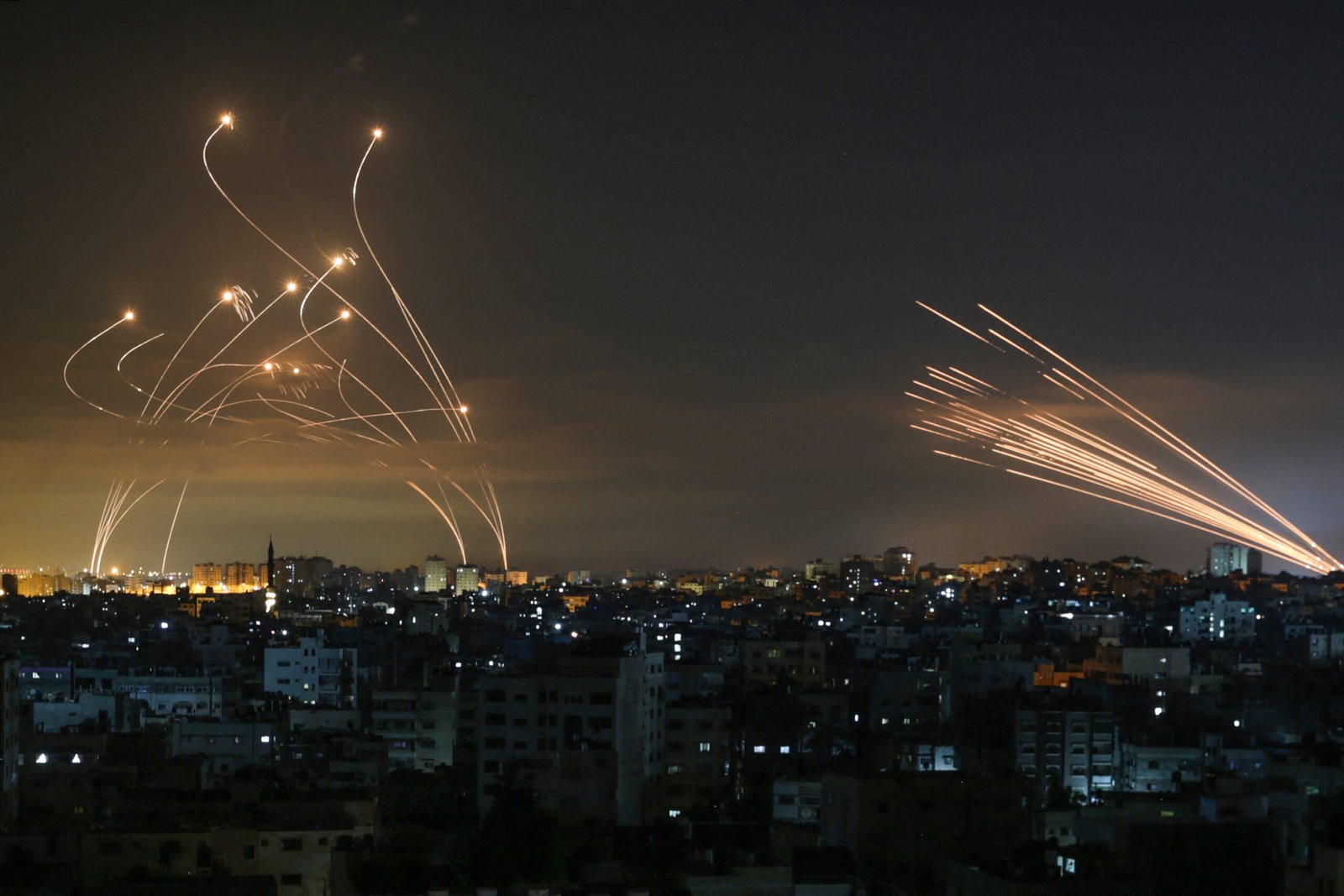

Tensions in the Middle East are reaching unprecedented levels, with the ongoing escalation between Israel and Iran threatening to spiral beyond regional boundaries. Although the region has long been a flashpoint, the current trajectory raises serious questions about the possibility of a global conflict.
One pressing concern remains: Could Israel’s actions inadvertently ignite a world war from the heart of the Middle East?
The answer may not be straightforward. While a deliberate global escalation seems unlikely, the risk of unintended consequences is dangerously high.
On June 13, at 8 p.m. ET, Israel launched targeted airstrikes against Iran’s nuclear infrastructure and key military command centers, including the Natanz uranium enrichment site. Israeli Prime Minister Benjamin Netanyahu confirmed the strikes, stating they were aimed at dismantling Iran’s nuclear and military leadership.
Reports suggest that several high-ranking Iranian military officials and nuclear scientists were killed in the attack. In retaliation, Iran unleashed three successive waves of missile strikes on Israeli territory.
Despite the exchange of heavy firepower, the conflict has not officially been labeled a “war.”
The potential role of Iran’s allies also comes into question. While Tehran may receive verbal or logistical support from groups and countries such as Hezbollah, Syria, Iraq, Pakistan, Russia, and China, there has been no clear indication that any of these actors intend to offer direct military assistance. China, for example, has expressed rhetorical support but has historically avoided military involvement in Middle Eastern conflicts.
On the Israeli side, the United States remains its primary ally. Since its founding in 1948, Israel has enjoyed consistent backing from Washington. However, President Donald Trump’s ambiguous stance has added to the uncertainty. Although he has hinted at possible intervention, reports suggest the U.S. is preparing for a potential strike on Iran — with broader implications.
Such a move could compel NATO allies to respond under mutual defense treaties, thereby widening the conflict and increasing the risk of global escalation, including the use of nuclear weapons.
The situation remains fluid, but the risks of further intensification are real. Diplomatic efforts may still offer a window to de-escalate — though neither side currently appears ready to pursue that path.
