


Pakistan Tehreek-e-Insaf (PTI) on Friday rejected the Supreme Court’s verdict denying it reserved seats for women and minorities, branding the ruling as “unjust” and a distortion of the Constitution.
Earlier in the day, the Supreme Court’s Constitutional Bench accepted review petitions and ruled that the Imran Khan-founded party was ineligible for these reserved seats in the national and provincial assemblies. The decision came as a blow to the PTI.
A 10-member bench led by Justice Aminuddin Khan delivered the verdict, setting aside the earlier judgment issued on July 12, 2024. The court restored the previous ruling of the Peshawar High Court (PHC), which had upheld the Election Commission of Pakistan’s (ECP) decision against PTI.
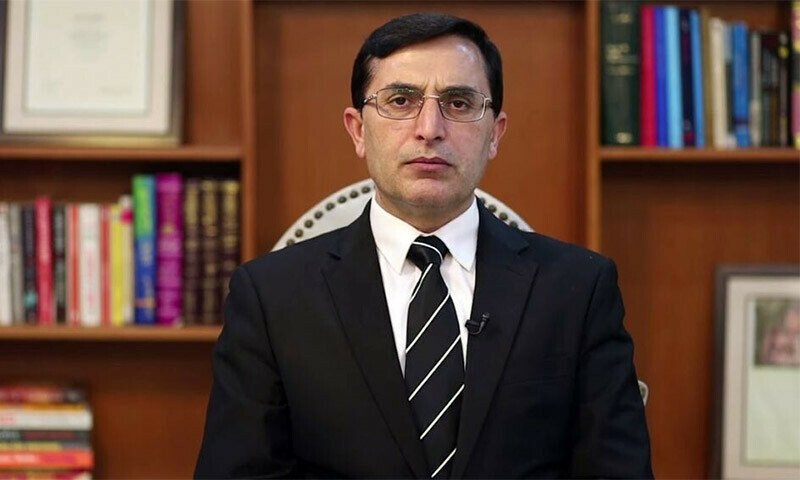
Reacting to the verdict, PTI Chairman Barrister Gohar Ali Khan voiced strong disappointment during an interview with Geo News. “We are deeply disappointed… this ruling is unfair to PTI and misinterprets the Constitution,” he stated, insisting that the reserved seats rightfully belonged to the party.
Barrister Gohar acknowledged that after the Supreme Court’s review decision, PTI had no further legal options left. “This judgment cannot be challenged in any other court,” he explained.
Despite this legal dead end, PTI announced plans to protest the verdict both within Parliament and through public demonstrations.
In an official statement, the party condemned the decision as the “darkest day in the country’s constitutional history,” recalling that the same Supreme Court had earlier affirmed PTI’s entitlement to the reserved seats.
PTI senior leader Senator Hamid Khan echoed these sentiments, arguing that the bench lacked the authority to decide the matter and describing the ruling as unjust.
The party emphasised that it had pursued every legal avenue, presented all possible constitutional arguments, and waited months for a resolution. “PTI knocked on every legal door, presented every argument, and raised every constitutional point,” the statement noted.
Background on the reserved seats dispute:
The controversy began after over 80 PTI-backed independents won seats in the February 8 elections and subsequently joined the Sunni Ittehad Council (SIC) to claim reserved seats for women and minorities.
On February 21, the SIC approached the ECP for allocation of these seats. However, on March 4, the ECP rejected the request, citing the SIC’s failure to submit the required candidate list before the polls, a step deemed mandatory.
Instead, the ECP redistributed the seats among other parties based on proportional representation.
The SIC then challenged the ECP decision in the Peshawar High Court, which upheld the electoral body’s verdict in March. Later, on April 2, the SIC took the matter to the Supreme Court, seeking to overturn the PHC decision and reclaim the reserved seats.
