

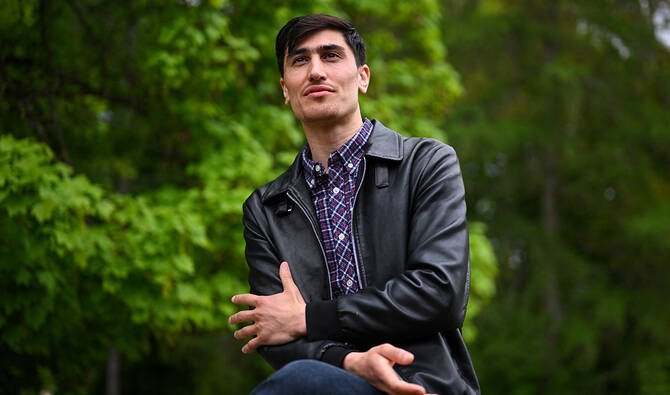

In a small guesthouse in Islamabad, 25-year-old Kimia, an Afghan artist and women’s rights advocate, spends her days sketching scenes of resilience and freedom, a fragile expression of hope as her future hangs in limbo.
Kimia fled Afghanistan in 2024 after being selected for Germany’s humanitarian admission programme, designed to resettle Afghans at risk under Taliban rule. But following Germany’s February election, where migration became a heated issue, and the rise of a new centre-right government in May, the programme was gradually suspended. Now, it faces permanent closure.
Around 2,400 Afghans who were approved are stuck in Pakistan, uncertain whether they will ever travel. NGOs estimate another 17,000 are awaiting review under the paused scheme.
Kimia’s interview at the German embassy, which she hoped would open the door to a new life, was abruptly cancelled. While Germany still covers her accommodation and meals, the suspension has shattered her hopes. “All my life comes down to this interview,” she said, using only her artist name to avoid reprisals.
The programme began in October 2022, aiming to admit 1,000 at-risk Afghans per month. Yet bureaucratic delays meant fewer than 1,600 arrived over two years. Meanwhile, Germany’s approval rate for Afghan asylum applications dropped to 52% in early 2025, down from 74% the previous year.
Critics argue the shift is driven by public anxiety after attacks involving asylum seekers, which the far-right AfD exploited to gain electoral ground. Refugees like Kimia feel unfairly blamed and fear returning home could be deadly.
Other women, like journalist Hasseina and Marina — who waits in Pakistan to join her mother in Germany — say going back isn’t an option. “If I return, I can’t work, I can’t study. You just breathe, but you don’t live,” Kimia said.
