


Nuclear Enrichment
Iran has declared that it will not abandon its nuclear programme — including uranium enrichment — despite suffering “serious and severe” damage from recent U.S. airstrikes. This defiant stance comes just days before high-stakes nuclear talks with Britain, France, and Germany, scheduled to take place in Istanbul on Friday.
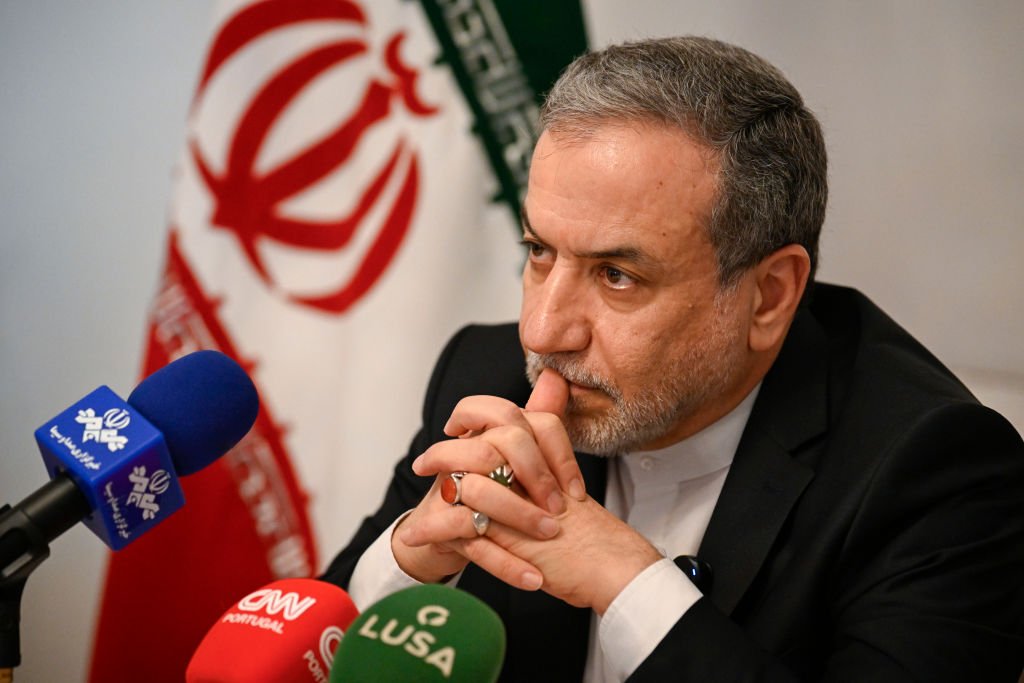
Iranian Foreign Minister Abbas Araghchi confirmed in a televised interview that while the enrichment process is currently halted due to the extent of the damage caused by the U.S. strikes, the programme itself will not be abandoned. “Obviously we cannot give up enrichment because it is an achievement of our own scientists,” he said, describing it as a source of “national pride.”
The upcoming meeting in Istanbul marks the first diplomatic engagement on the nuclear issue since Iran’s 12-day war with Israel last month — a conflict that drew in the United States, which targeted several of Iran’s nuclear facilities in airstrikes. Tensions have continued to rise, with Iran accusing the European signatories of the 2015 nuclear deal of failing to uphold their commitments.
The 2015 Joint Comprehensive Plan of Action (JCPOA) initially offered sanctions relief in return for strict limits on Iran’s nuclear activities. However, the deal began to unravel in 2018 when U.S. President Donald Trump unilaterally withdrew from the agreement and reimposed crippling sanctions on Tehran. Since then, Iran has steadily scaled back its compliance, citing what it calls Western “non-compliance” with the terms of the accord.
Foreign ministry spokesman Esmaeil Baqaei held the European powers accountable for their “negligence” and warned against the reimposition of sanctions using the JCPOA’s “snapback” mechanism — a clause that allows for automatic reactivation of UN sanctions in case of Iranian non-compliance. Germany has stated that such a move remains an option if no diplomatic resolution is reached by the end of August, just ahead of the agreement’s October expiry.
Meanwhile, Iran will also host a trilateral meeting on Tuesday with China and Russia to discuss future coordination on the nuclear issue. China has pledged to continue playing a “constructive role” in encouraging dialogue and safeguarding the interests of all parties.
The International Atomic Energy Agency (IAEA) reports that Iran is enriching uranium to 60% purity — far exceeding the JCPOA’s 3.67% cap, and dangerously close to weapons-grade levels. Despite international alarm, Iran maintains that its programme is peaceful and designed for civilian energy purposes.
With diplomatic efforts hanging in the balance, Baqaei reiterated that Tehran currently has “no intention of speaking with America,” effectively stalling any direct engagement with Washington amid escalating tensions.
The outcome of the Istanbul talks could prove pivotal, as all sides scramble to prevent further deterioration of the already fragile nuclear framework.
