

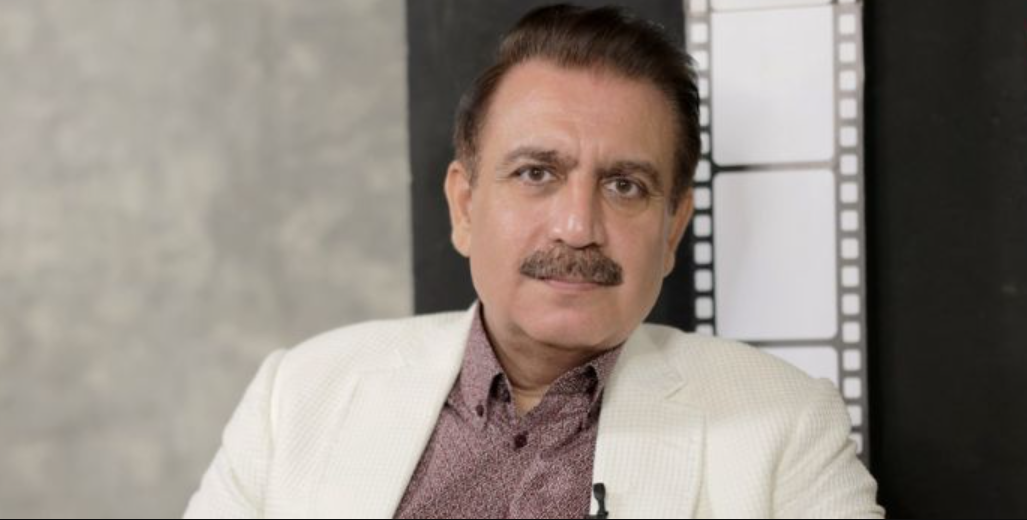

Renowned television host and actor Tauseeq Haider has voiced his concern over how society treats unmarried individuals, highlighting a persistent gender-based double standard. In a recent podcast, he shared his thoughts on the cultural narratives surrounding marriage and the unequal expectations placed on men and women who remain single.
Haider pointed out that an unmarried man is often seen as someone who simply chose not to marry, a decision regarded as his personal choice or freedom. However, when it comes to women in the same situation, society tends to assume they were unable to find a partner. This stark contrast, he noted, reflects deep-rooted biases in social perception.
“When we talk about an unmarried man, we usually say he didn’t marry. But in the case of a woman, the narrative becomes that her marriage didn’t happen,” he observed. This subtle difference in language, according to Haider, reveals how people often perceive a woman’s worth through her marital status, while granting men the benefit of autonomy.
He questioned the logic behind such assumptions, wondering aloud whether men are ever asked if they too missed out on the opportunity to marry. “What if the man didn’t get the chance? Has anyone asked me about my sorrow?” he said. He suggested that societal expectations fail to account for the emotional and circumstantial complexities involved in someone’s personal life.
Haider also opened up about his own experience, sharing that although he once tried to pursue a relationship, circumstances prevented it from developing into marriage. Eventually, he chose to focus on building his professional career instead. His story underlines the fact that not everyone who remains unmarried has made a simple or deliberate choice—it’s often more complicated.
Challenging traditional ideals, he emphasized that marriage should not be treated as an obligatory milestone or a remedy for loneliness. It should be a meaningful bond formed with someone who genuinely complements one’s life.
“Marriage shouldn’t be done out of fear of growing older or social pressure,” he stressed. “It should happen when you meet someone who makes you feel whole, someone whose presence fills a space in your life that nothing else can.”
Haider’s remarks call for a shift in societal attitudes, encouraging people to view marriage as a deeply personal and emotional decision, rather than a social obligation defined by age or gender. By highlighting these cultural disparities, he hopes to inspire more empathy and understanding toward those who remain unmarried, regardless of the reasons behind it.
