


New Case Highlights Persistent Risks in High-Risk Regions
ISLAMABAD: The Regional Reference Laboratory for Polio Eradication at the National Institute of Health (NIH), Islamabad, has confirmed Pakistan’s 18th case of polio in 2025. The latest case involves a 10-month-old boy from Union Council Mullazai in District Tank, South Khyber Pakhtunkhwa. This marks the 11th case reported from the province this year, reinforcing growing concerns about persistent immunity gaps and resistance to vaccination in the region.
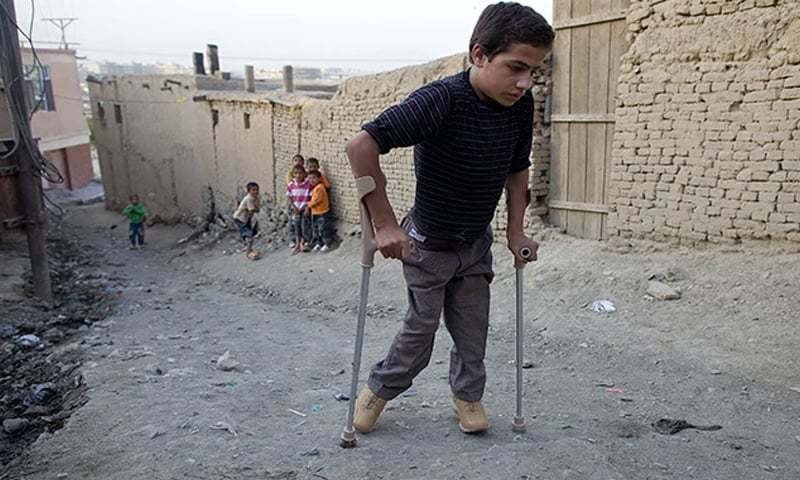
Polio, a crippling and incurable viral disease, continues to threaten children’s health in Pakistan—especially in areas where access to vaccination remains limited or community acceptance of vaccines is low. Health experts stress that every unvaccinated child remains at risk, not only of contracting the virus but also of becoming a carrier, thereby fueling further transmission.
Despite nationwide progress, Southern Khyber Pakhtunkhwa remains a key challenge. Operational hurdles, including security concerns and restricted access, have prevented effective house-to-house vaccination drives, leaving thousands of children unvaccinated in the region.
National Campaigns Continue, but Localized Challenges Remain
In the past year, the Pakistan Polio Programme has made notable progress. Since September 2024, six high-quality vaccination campaigns—four of them nationwide—have reached over 45 million children. To sustain momentum, the National Emergency Operations Centre (EOC) has planned two more nationwide campaigns and one sub-national campaign between August and December 2025, along with targeted drives in high-risk districts such as Tank.
In a bid to address local challenges, senior health officials including the Prime Minister’s Focal Person on Polio Eradication and the Coordinator of the National EOC recently met with the Chief Secretary of Khyber Pakhtunkhwa in Peshawar. Their discussions focused on performance reviews, logistical issues, and strategies to improve coverage in vulnerable areas. A special planning session dedicated to South KP is also scheduled for August 2–3 at the Chief Secretary’s Office.
Authorities emphasize that while frontline health workers are doing critical work, public cooperation is essential. Parents, caregivers, and community leaders must collectively ensure that children receive all scheduled doses of the oral polio vaccine. Combating misinformation and strengthening community engagement remain vital components in the ongoing fight against polio.
