


Islamabad Hails Strategic Economic Breakthrough as Exports Poised to Surge
WASHINGTON/ISLAMABAD: The United States has dramatically reshaped its global trade policy by slashing import tariffs for dozens of countries, with Pakistan emerging as one of the biggest beneficiaries. In a landmark move, Washington reduced tariffs on Pakistani goods from 29% to 19%, a 10% cut that places Pakistan ahead of key regional competitors like India, Bangladesh, and Vietnam.
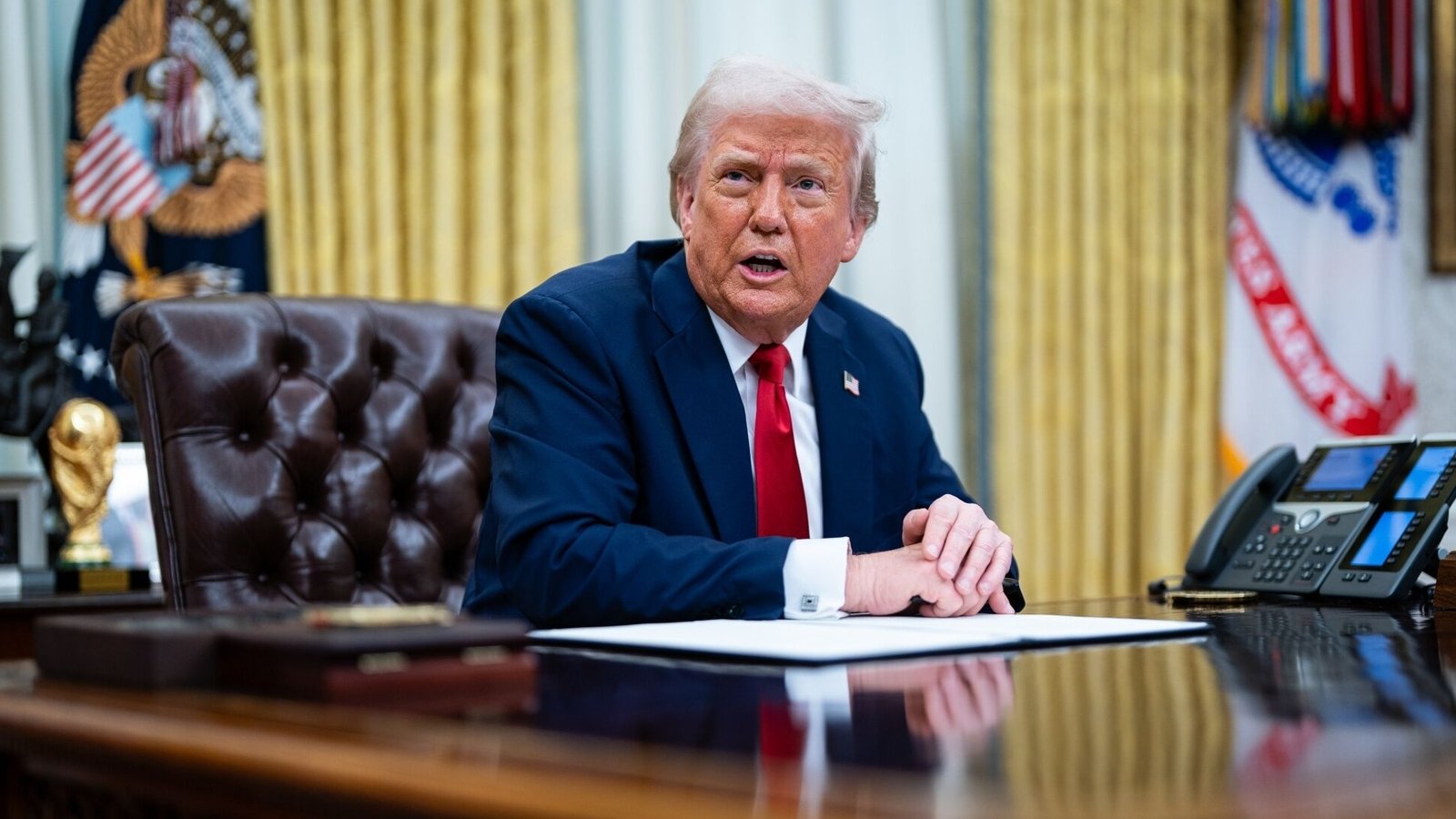
The tariff reduction, part of a sweeping executive order signed by President Donald Trump late Thursday, comes as the U.S. rewards cooperative trade partners while penalizing those failing to reach agreements. Countries such as Pakistan, Indonesia, Thailand, and Vietnam received favorable terms, while others, including India and Switzerland, were hit with penalties or minimal relief.
Pakistani officials hailed the development as a strategic diplomatic achievement. “This 10% concession is not just economic—it’s political. It signals Pakistan’s growing credibility on the global stage,” said a senior government official. The successful negotiations were reportedly led by Field Marshal Asim Munir, Deputy Prime Minister Ishaq Dar, and Finance Minister Muhammad Aurangzeb.
Islamabad believes the move will catalyze growth in sectors such as textiles, leather, agriculture, and information technology. U.S. firms are also expected to expand their presence in Pakistan following the country’s decision to refund a 5% digital tax to American tech companies and introduce business-friendly legislation.
Winners and Losers in Global Trade Realignment
Alongside Pakistan, several nations saw their tariffs sharply reduced:
- Cambodia: 49% → 19%
- Bangladesh: 37% → 20%
- Vietnam: 46% → 20%
- Sri Lanka: 44% → 20%
- Thailand: 36% → 19%
- Indonesia: 32% → 19%
- Japan, South Korea, Jordan, EU: Standardized to 15%
India, by contrast, saw only a marginal reduction — from 26% to 25% — after failing to finalize a deal. U.S. officials blamed India’s sluggish negotiations and continued oil imports from Russia for its limited concession. Switzerland was penalized with a steep tariff hike, rising from 31% to 39%, due to its refusal to engage in trade talks.
The revised 19% U.S. tariff on Pakistani goods gives Pakistan a significant edge in global markets, potentially boosting exports of sports equipment, apparel, and agricultural products. Pakistani officials also hinted at possible American investments in the country’s energy and infrastructure sectors, especially in oil and minerals, given the country’s $16 billion annual petroleum import bill.
Trump’s Tariff Strategy: Pressure, Penalties, and Leverage
President Trump’s tariff overhaul is part of a broader effort to reassert American control over global trade dynamics. Using the 1977 International Emergency Economic Powers Act, his administration invoked national security and economic stability as legal justifications for the sudden changes.
Countries like Mexico were given a temporary 90-day reprieve, while others—Canada (35%), Brazil (50%), and Taiwan (20%)—were penalized heavily for failing to comply with U.S. demands.
Critics, including some economists and legal experts, have warned that such aggressive tariff use could fuel global inflation and hurt diplomatic relations. Trump, however, has defended the move, saying: “These tariffs will bring fairness and reciprocity to America’s trade relationships and restore domestic industry.”
For Pakistan, the U.S. tariff cut is seen as a turning point — an opportunity to expand exports, attract investment, and reposition itself as a rising player in global trade negotiations.
